EN
EN  FR
FR  RU
RU  DE
DE  ES
ES  PT
PT  AR
AR Handling Air Bubbles in Liquid Flow Measurement Systems
Air bubbles are a common but often underestimated issue in liquid flow measurement systems. In industries such as water treatment, chemical processing, food and beverage, and pharmaceuticals, entrained air can significantly distort flow readings, reduce measurement accuracy, and even damage certain types of flow meters. Understanding how air bubbles affect measurement and applying effective mitigation strategies is essential for maintaining reliable and consistent process control. Air bubbles typically enter liquid systems through several sources. They may be introduced during pump suction, through leaking connections, or as a result of mixing, agitation, or chemical reactions that release gas. In some cases, improper system design—such as poor pipe routing or inadequate venting—can trap air within the pipeline. Once present, these bubbles disrupt the uniform flow of liquid, creating an inconsistent mixture of gas and liquid phases.
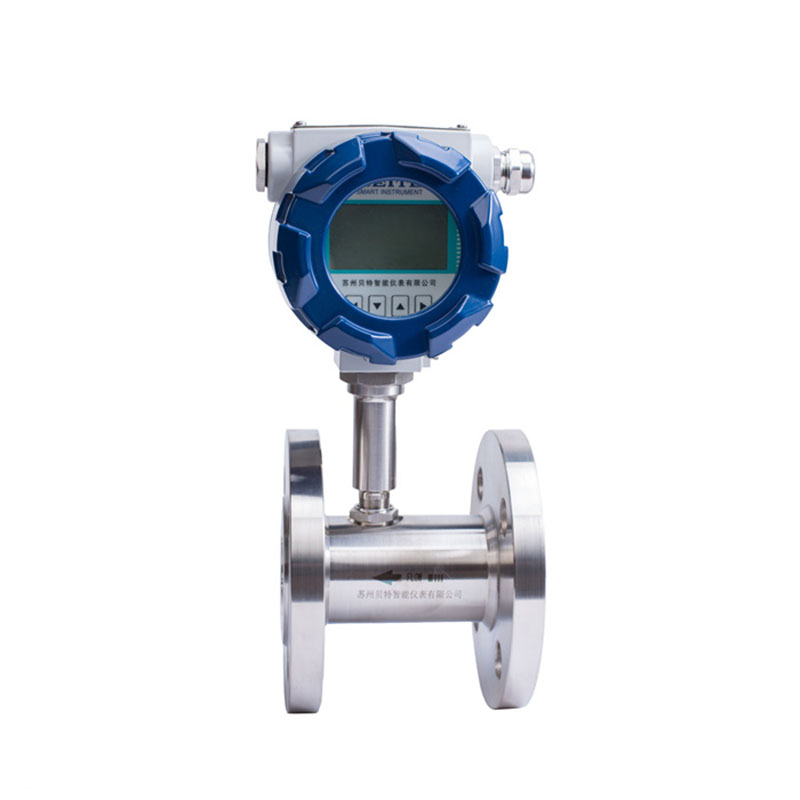
One of the primary effects of air bubbles is measurement inaccuracy. Many flow meters are designed to measure a single-phase liquid, and the presence of gas changes the effective density and flow profile. For example, electromagnetic flow meters rely on the conductivity of the liquid; air pockets can interrupt the conductive path and cause unstable or zero readings. Similarly, turbine and positive displacement meters may experience irregular rotation or slippage, leading to incorrect flow values. Air bubbles can also cause signal instability. As bubbles pass through the sensor, they create fluctuations in the measurement signal, resulting in noisy or erratic outputs. This instability can affect control systems, leading to incorrect adjustments or oscillations in process parameters. In applications requiring precise dosing or batching, even small measurement errors can have significant consequences for product quality.
Another concern is mechanical impact and wear. In high-velocity systems, collapsing air bubbles can create localized pressure changes, a phenomenon known as cavitation. This can damage internal components of flow meters, particularly those with moving parts. Over time, this leads to reduced instrument lifespan and increased maintenance requirements. To handle air bubbles effectively, proper system design is the first step. Ensuring that pipelines are designed to avoid air entrapment is critical. This includes using proper pipe slopes, avoiding high points where air can accumulate, and installing air release valves at strategic locations. Maintaining adequate suction conditions at pumps also helps prevent air from being drawn into the system.
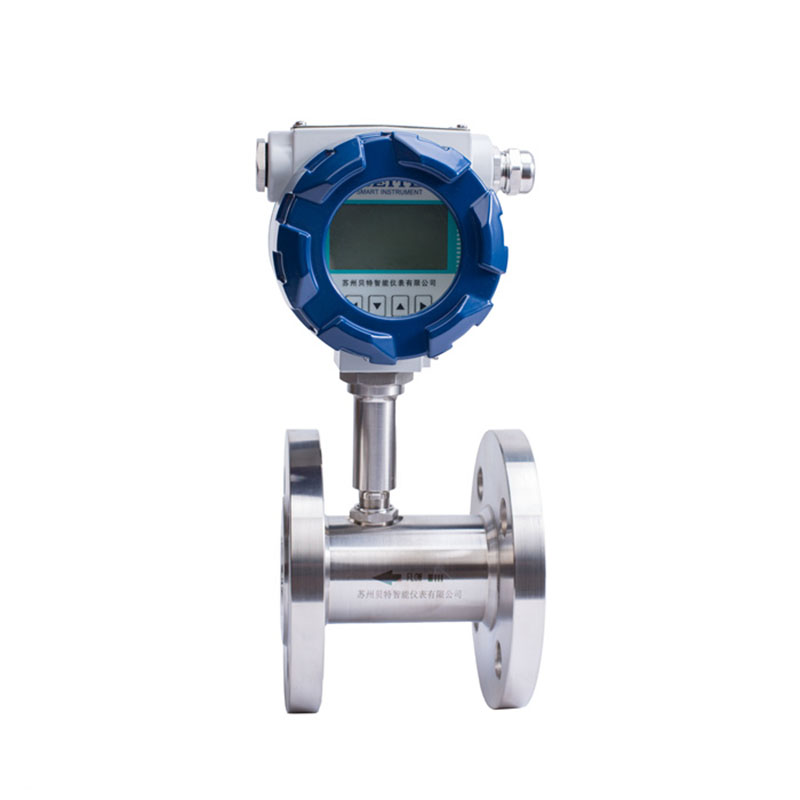
Sensor placement plays a crucial role in minimizing the impact of air bubbles. Flow meters should be installed in sections of the pipeline where the fluid is fully filled and free of air pockets. Installing the meter downstream of pumps or mixing points—after sufficient straight pipe length—allows air to dissipate before reaching the sensor. Vertical installation with upward flow is often recommended, as it helps carry bubbles away from the measurement zone. Selecting the right flow measurement technology is another key factor. Some technologies are more tolerant of air bubbles than others. For example, ultrasonic flow meters can handle small amounts of entrained air but may struggle with large concentrations. Coriolis flow meters can measure mass flow and detect density changes, making them more capable of identifying the presence of gas. Choosing a meter that matches the process conditions improves overall measurement reliability.
Air separation devices can also be used to remove bubbles before measurement. Equipment such as air eliminators, degassing chambers, or separators can be installed upstream of the flow meter to ensure a single-phase liquid flow. These devices are particularly useful in applications where air entrainment is unavoidable. Advanced signal processing and diagnostics further enhance measurement stability. Modern flow meters are equipped with algorithms that detect irregular signal patterns caused by air bubbles and compensate accordingly. Some instruments can even provide alerts when gas content exceeds acceptable limits, allowing operators to take corrective action.
Regular maintenance and inspection are essential for preventing air-related issues. Checking for leaks, ensuring proper sealing of connections, and verifying system pressure conditions help reduce the likelihood of air ingress. Monitoring pump performance and maintaining consistent operating conditions also contribute to minimizing bubble formation. In conclusion, air bubbles can significantly impact the accuracy and reliability of liquid flow measurement systems. By addressing the root causes through proper system design, correct sensor placement, suitable technology selection, and the use of air removal techniques, industries can effectively manage this challenge. Ensuring a stable, air-free flow not only improves measurement accuracy but also enhances overall process efficiency and equipment longevity.