EN
EN  FR
FR  RU
RU  DE
DE  ES
ES  PT
PT  AR
AR Temperature Measurement in Fast-Response Industrial Processes
In many industrial applications, temperature can change within seconds or even milliseconds, making fast and accurate measurement essential for effective process control. Industries such as chemical processing, power generation, semiconductor manufacturing, food processing, and metallurgy rely on rapid temperature feedback to maintain product quality, ensure safety, and optimize efficiency. In these environments, traditional temperature measurement approaches may struggle to keep up, making sensor response time a critical factor. Fast-response processes typically involve rapid heating or cooling, exothermic or endothermic reactions, or high-speed fluid flow. In such conditions, even a small delay in temperature measurement can lead to incorrect control decisions. If a sensor reacts too slowly, the control system may overcompensate, causing temperature overshoot or instability. This can result in wasted energy, inconsistent product quality, or even hazardous operating conditions in sensitive processes.
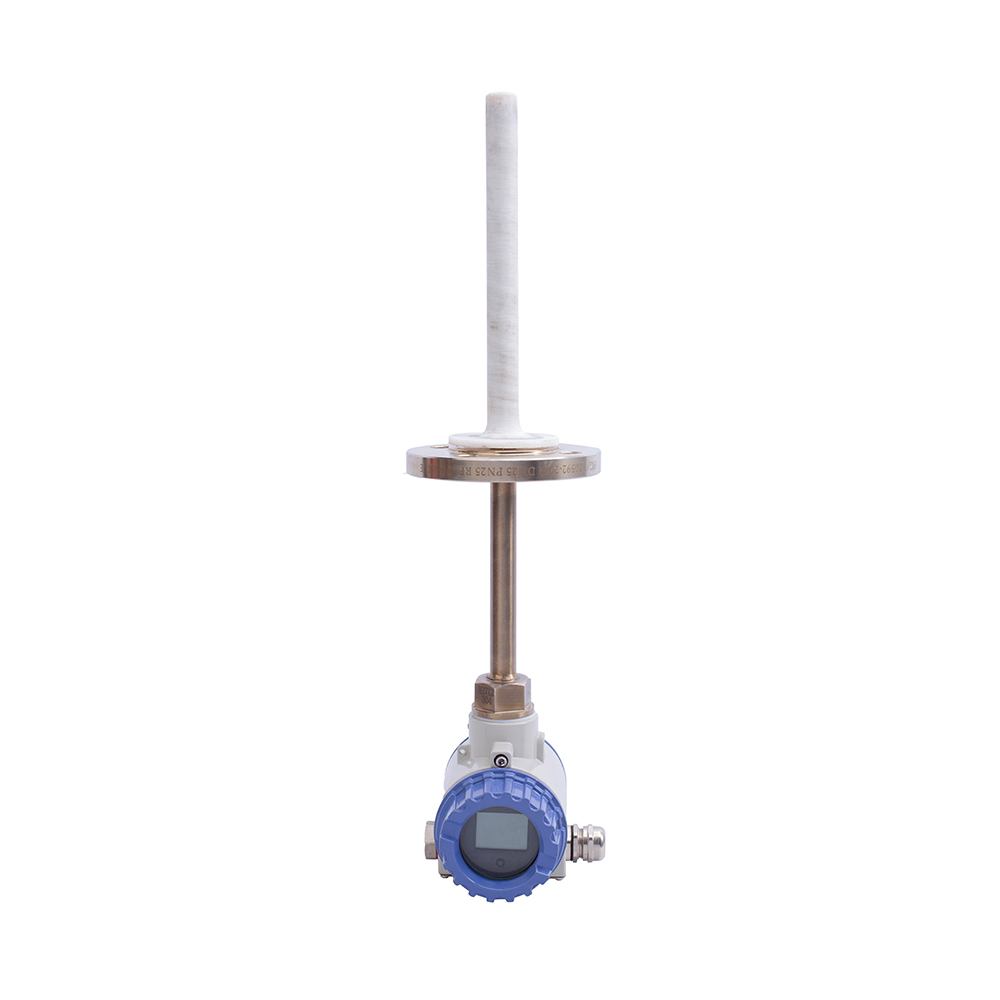
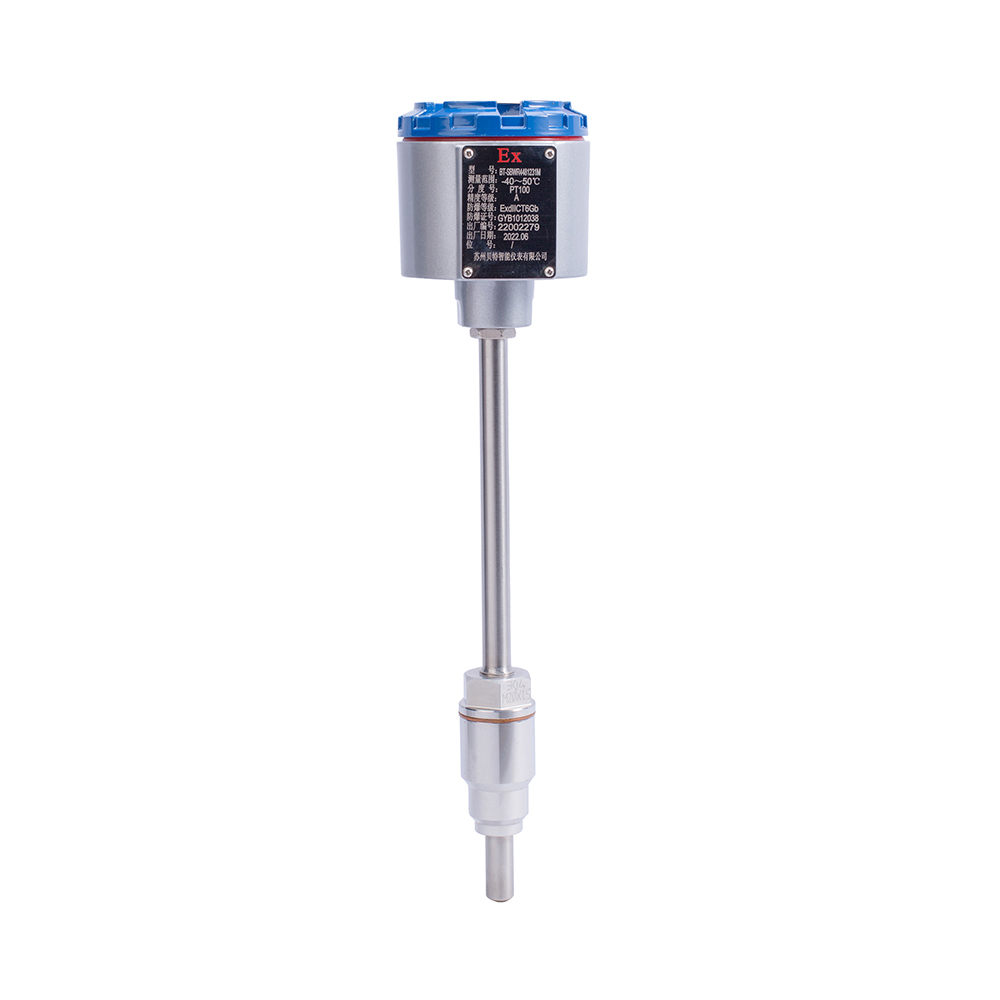
The response time of a temperature sensor depends largely on its design and construction. Sensors with lower thermal mass respond more quickly because they require less time to reach thermal equilibrium with the process medium. For example, exposed junction thermocouples offer extremely fast response times and are commonly used in applications where rapid temperature changes must be tracked. Thin-film resistance temperature detectors (RTDs) also provide relatively fast and stable measurements, making them suitable for dynamic environments. However, faster response often comes with trade-offs. Sensors designed for rapid measurement may be more vulnerable to mechanical damage, corrosion, or contamination. In harsh industrial environments, protective components such as thermowells are commonly used to shield sensors. While thermowells enhance durability, they introduce thermal resistance that slows down response time. Selecting the right balance between protection and responsiveness is essential for achieving reliable performance.
Sensor placement is another critical factor in fast-response temperature measurement. Installing sensors directly in the active process stream ensures that they are exposed to real-time temperature changes. Poor placement—such as near vessel walls or in stagnant zones—can delay measurement and reduce accuracy. In pipelines or reactors, proper immersion depth and alignment with the flow direction help improve response speed and measurement reliability. Advanced sensor technologies and materials also contribute to improved performance. High thermal conductivity materials enable faster heat transfer between the process medium and the sensing element. Specialized coatings and compact sensor designs further reduce response time while maintaining durability. In some applications, surface-mounted sensors or infrared temperature sensors may be used for ultra-fast, non-contact measurement, especially where direct contact is not feasible.
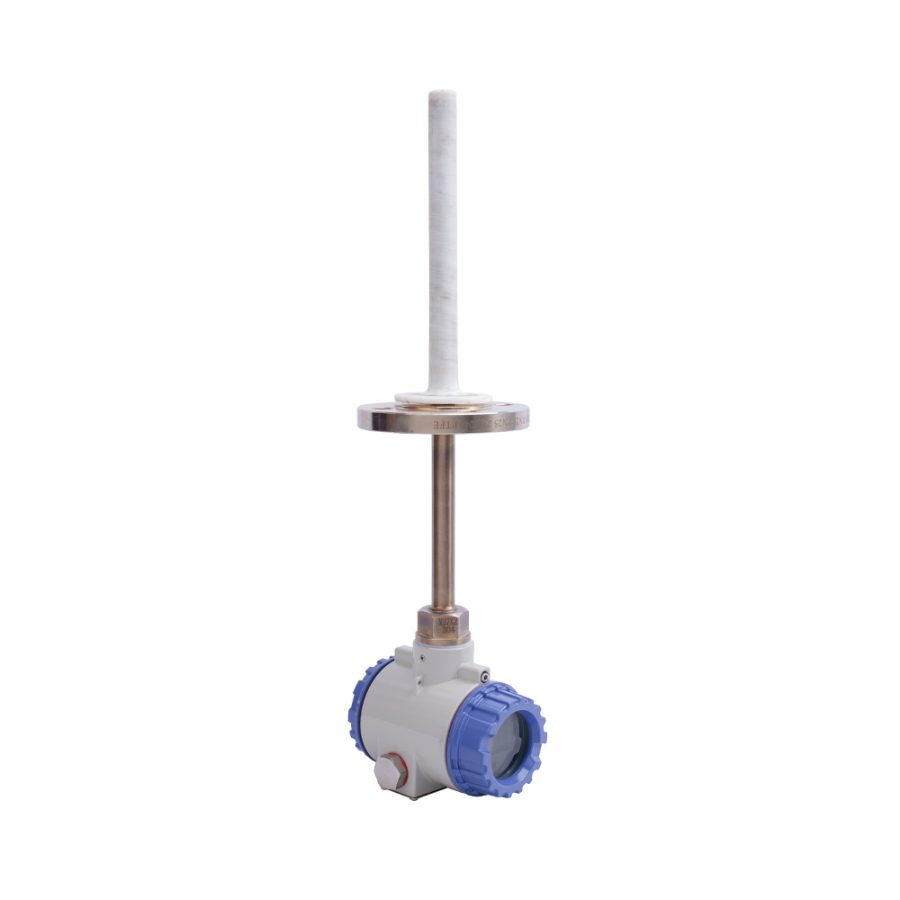
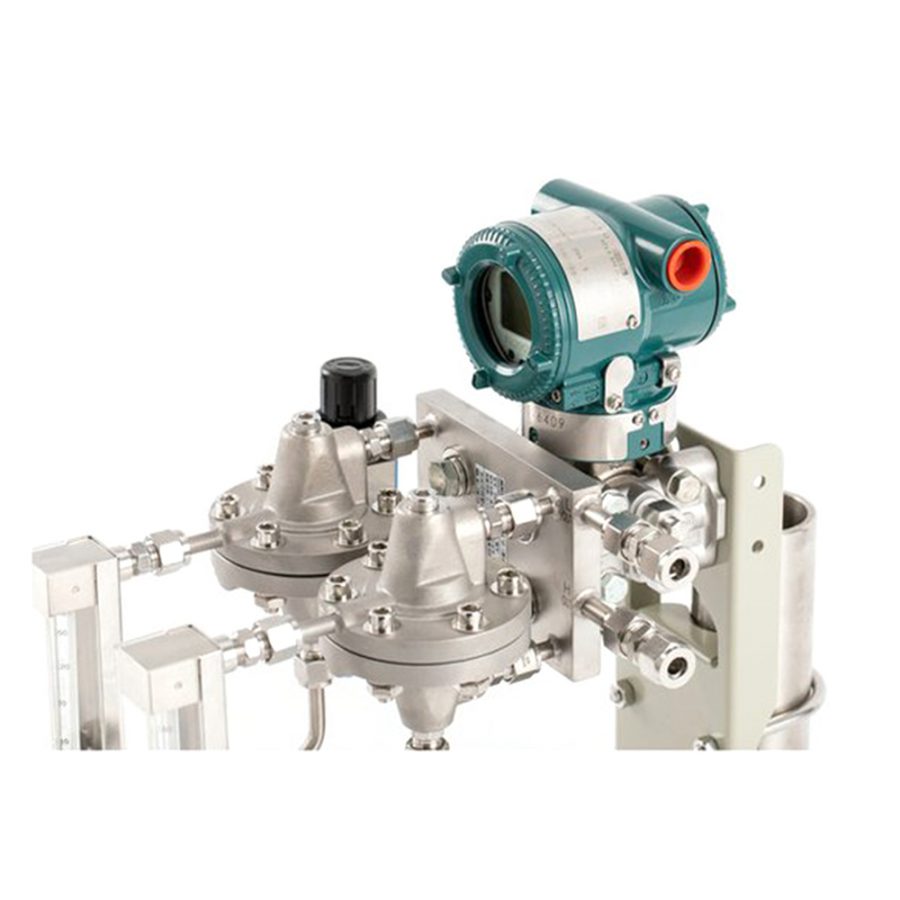
Signal processing and control system integration play an important role in handling fast-changing temperature data. Modern transmitters and controllers use digital filtering and predictive algorithms to interpret sensor signals accurately without introducing unnecessary delay. These systems can distinguish between actual temperature changes and noise, ensuring stable and reliable control even in rapidly fluctuating environments. In critical applications, multiple sensors may be used to improve measurement accuracy and responsiveness. By placing sensors at different points within a system, operators can monitor temperature distribution and detect localized variations more effectively. This approach is particularly useful in large reactors or heat exchangers where temperature gradients may exist.
Maintenance and calibration are also important for ensuring consistent performance. Over time, sensor surfaces may accumulate deposits or experience wear, which can reduce heat transfer efficiency and slow response time. Regular inspection and cleaning help maintain optimal sensor performance, especially in processes involving fouling or contamination. Temperature measurement in fast-response industrial processes requires careful consideration of sensor design, installation, and system integration. By selecting appropriate technologies, optimizing placement, and leveraging advanced signal processing, industries can achieve accurate and timely temperature monitoring. This ensures better process control, improved product quality, and enhanced safety in applications where every second counts.