EN
EN  FR
FR  RU
RU  DE
DE  ES
ES  PT
PT  AR
AR Pressure Transmitters for High-Temperature and Corrosive Oil Media
In today’s oil and petrochemical sectors, precise pressure measurement is critical for production efficiency, process safety, and equipment protection. However, not all operating conditions are equal. High temperatures, corrosive media, abrasive chemicals, and fluctuating process pressures demand instrumentation that goes far beyond standard performance. Modern pressure transmitters engineered for harsh oil-based applications provide the reliability required to maintain continuous production while reducing downtime and maintenance costs. One of the primary challenges in oil-related environments is temperature—often exceeding 200°C in pipelines, refining towers, and cracking units. Standard sensors lose calibration, drift, or fail prematurely under prolonged heat exposure. High-temperature pressure transmitters are built with heat-resistant materials, advanced insulation, thick-film technology, and remote diaphragm seals that isolate sensitive electronics from extreme heat zones. This enables stable, accurate measurement even when ambient and process temperatures fluctuate dramatically.
Corrosion resistance is another defining requirement. Crude oil and refined products often contain sulfur compounds, saltwater residues, hydrogen sulfide, and other corrosive elements. If transmitter housings and wetted parts are not compatible with these chemicals, pitting, cracking, sensor poisoning, and leakage can occur quickly. Industrial-grade transmitters designed for corrosive media typically use stainless steel 316L, Hastelloy, Monel, or Tantalum diaphragms, depending on the process composition. These high-performance materials extend service life, minimize maintenance, and ensure safe operation in demanding refinery and pipeline systems. Accuracy and stability are equally important. Pressure variations drive pump performance, control valves, separation systems, and safety interlocks across oil processing facilities. A transmitter that cannot maintain accuracy leads to inefficiencies, increased energy consumption, and even catastrophic failure. Advanced pressure transmitters incorporate digital signal processing, temperature compensation technology, and robust calibration methods to eliminate measurement drift over time. Strong linearity, high repeatability, and fast response provide confidence to operators, especially in dynamic flow conditions.
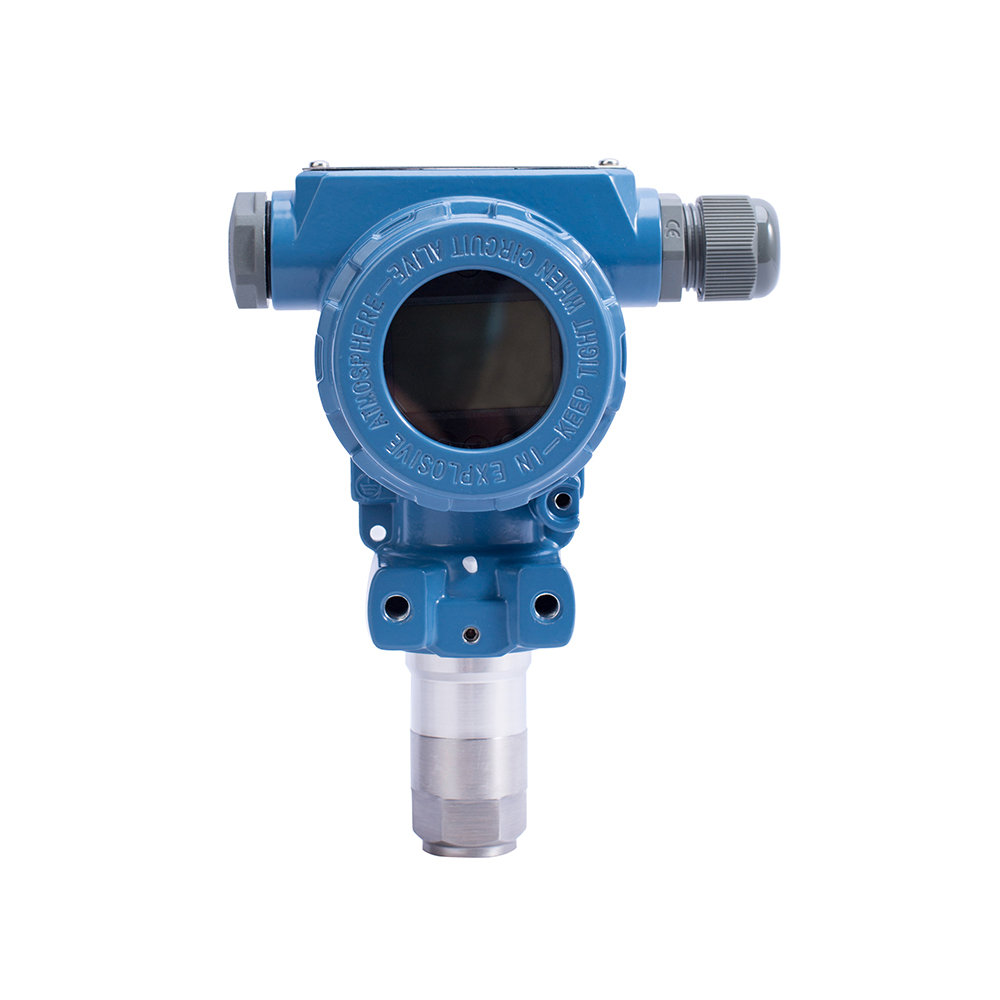
Process safety is also a major driver for advanced instrumentation in oil environments. Many high-temperature and corrosive facilities fall under hazardous-area classifications, including explosion-proof zones. Pressure transmitters deployed in such settings must meet standards like SIL functional safety levels, ATEX, or IECEx certification. Protection against sparks, leakage current, and overpressure ensure compliance and reduce operational risk across offshore rigs, refineries, and petrochemical plants. In addition to material and performance features, long-term value matters. Modern transmitters are designed for long service cycles, plug-and-play replacement, and minimal recalibration. Digital communication such as HART, MODBUS, or PROFIBUS enables remote monitoring, on-line diagnostics, and preventive maintenance scheduling. This reduces technician exposure to dangerous zones and improves plant uptime—saving both cost and labor.
As oil companies push deeper into more extreme extraction and processing environments, demand continues to grow for measurement instruments capable of thriving under harsh chemical, thermal, and mechanical stresses. Pressure transmitters engineered specifically for high-temperature and corrosive oil media have become essential for safer operations, higher process efficiency, and sustainable profitability. By combining rugged construction, advanced electronics, corrosion-resistant materials, and global safety certifications, modern manufacturers deliver reliable solutions that help refineries, pipelines, offshore platforms, and petrochemical plants maintain total control over their most critical processes.