EN
EN  FR
FR  RU
RU  DE
DE  ES
ES  PT
PT  AR
AR Continuous vs Point Level Measurement: Which Is Better for Your Process?
Level measurement is a critical part of industrial process control, ensuring safe operation, efficient production, and consistent product quality. Two primary approaches are widely used: continuous level measurement and point level measurement. Each method serves a different purpose, and choosing the right one depends on process requirements, application conditions, and control objectives. Understanding their differences helps industries select the most effective solution for their systems. Continuous level measurement provides real-time, ongoing monitoring of the liquid or material level inside a tank or vessel. It delivers a constant output signal—typically in the form of 4–20 mA or digital communication—that reflects the exact level at any given moment. This method is ideal for applications where precise level tracking is required, such as inventory management, batching, and process control. Technologies commonly used for continuous measurement include radar level gauges, ultrasonic sensors, and hydrostatic pressure transmitters.
One of the main advantages of continuous measurement is its ability to support automation and optimization. Operators can monitor level trends, adjust process parameters, and maintain stable operating conditions based on accurate, real-time data. For example, in chemical mixing or water treatment systems, continuous level data ensures that tanks are filled or emptied at the correct rates. This reduces waste, improves efficiency, and prevents overflow or dry running conditions. However, continuous level measurement systems are generally more complex and may involve higher initial costs. They require proper calibration, installation, and sometimes more advanced configuration. In harsh environments with heavy turbulence, foam, or vapor, selecting the right continuous measurement technology becomes critical to maintain accuracy.
In contrast, point level measurement is designed to detect whether the material level has reached a specific point or threshold. Instead of providing a continuous reading, point level devices act as switches, triggering an output when the level reaches a predefined position—such as high level, low level, or intermediate points. Common technologies include float switches, tuning fork sensors, and capacitance level switches. Point level measurement is widely used for safety and control applications. For instance, high-level switches can trigger alarms or shut off pumps to prevent tank overfilling, while low-level switches can protect equipment from running dry. These devices are typically simple, reliable, and cost-effective, making them suitable for many industrial environments where precise level tracking is not necessary.
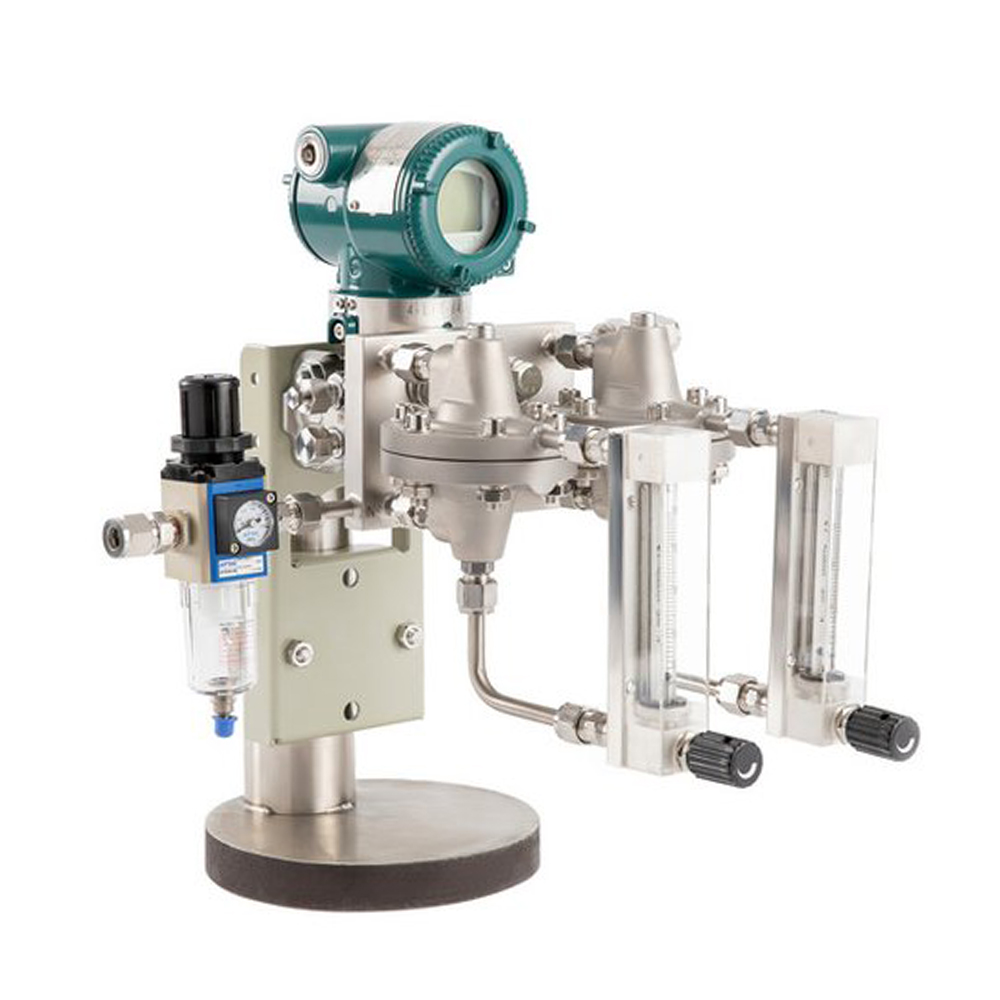
One of the key advantages of point level measurement is its robustness. These devices are often less sensitive to challenging conditions such as turbulence, foam, or changing material properties. They are also easier to install and maintain compared to continuous systems. However, their limitation lies in the lack of detailed information—they only indicate whether a specific level has been reached, not the actual level within the tank. In many industrial processes, continuous and point level measurement are not competing solutions but complementary ones. A common approach is to use continuous level sensors for monitoring and control, combined with point level switches for safety backup. This combination ensures both precise operation and protection against critical conditions.
When selecting between continuous and point level measurement, several factors should be considered. If the process requires precise level control, inventory tracking, or automated system integration, continuous measurement is the better choice. On the other hand, if the goal is to detect specific level conditions for alarms or equipment protection, point level measurement is often sufficient and more economical. Environmental conditions also influence the decision. In applications with extreme temperatures, pressure, or aggressive media, choosing a technology that can withstand these conditions is essential regardless of the measurement type. Installation constraints, maintenance requirements, and communication needs should also be evaluated.
In conclusion, both continuous and point level measurement play important roles in industrial processes. Continuous measurement provides detailed, real-time data for process optimization, while point measurement offers simple and reliable detection of critical level thresholds. The best solution depends on the specific needs of the application, and in many cases, combining both methods delivers the highest level of safety, efficiency, and control.