EN
EN  FR
FR  RU
RU  DE
DE  ES
ES  PT
PT  AR
AR Best Flow Measurement Solutions for High-Speed Fluid Systems
High-speed fluid systems are commonly found in industries such as power generation, chemical processing, oil and gas, water treatment, and advanced manufacturing. In these applications, fluids move at high velocities through pipelines, creating unique challenges for accurate flow measurement. Turbulence, pressure fluctuations, and rapid changes in flow conditions can significantly impact measurement performance. Selecting the right flow measurement solution is essential to ensure precision, reliability, and long-term stability. One of the primary challenges in high-speed flow measurement is turbulence. At high velocities, fluid flow becomes highly turbulent, causing irregular velocity profiles and fluctuations in pressure. Traditional flow meters that rely on stable flow conditions may struggle to provide accurate readings in such environments. Therefore, selecting technologies that can handle turbulent flow without significant loss of accuracy is critical.
Electromagnetic flow meters are widely regarded as one of the best solutions for high-speed liquid flow systems, especially for conductive fluids. These meters operate based on Faraday’s law of electromagnetic induction and have no moving parts, making them highly resistant to wear and tear. Their ability to maintain accuracy regardless of flow velocity and turbulence makes them ideal for applications such as water treatment, chemical transport, and slurry handling. Additionally, they offer excellent long-term stability with minimal maintenance. For applications requiring high precision and mass flow measurement, Coriolis flow meters are an excellent choice. These meters measure mass flow directly and are less affected by changes in flow profile or velocity. In high-speed systems, Coriolis meters provide accurate and repeatable measurements, even when fluid properties vary. They are particularly useful in applications where precise dosing, batching, or custody transfer is required. However, their cost and size may be considerations for large pipeline systems. Ultrasonic flow meters are another effective solution, especially for large-diameter pipelines and high-velocity flows. Transit-time ultrasonic meters use sound waves to measure flow velocity and are well-suited for clean fluids. Their non-intrusive design allows installation without interrupting the process, which is beneficial in high-speed systems where downtime is costly. Multi-path ultrasonic meters can further improve accuracy by compensating for uneven flow profiles caused by turbulence.
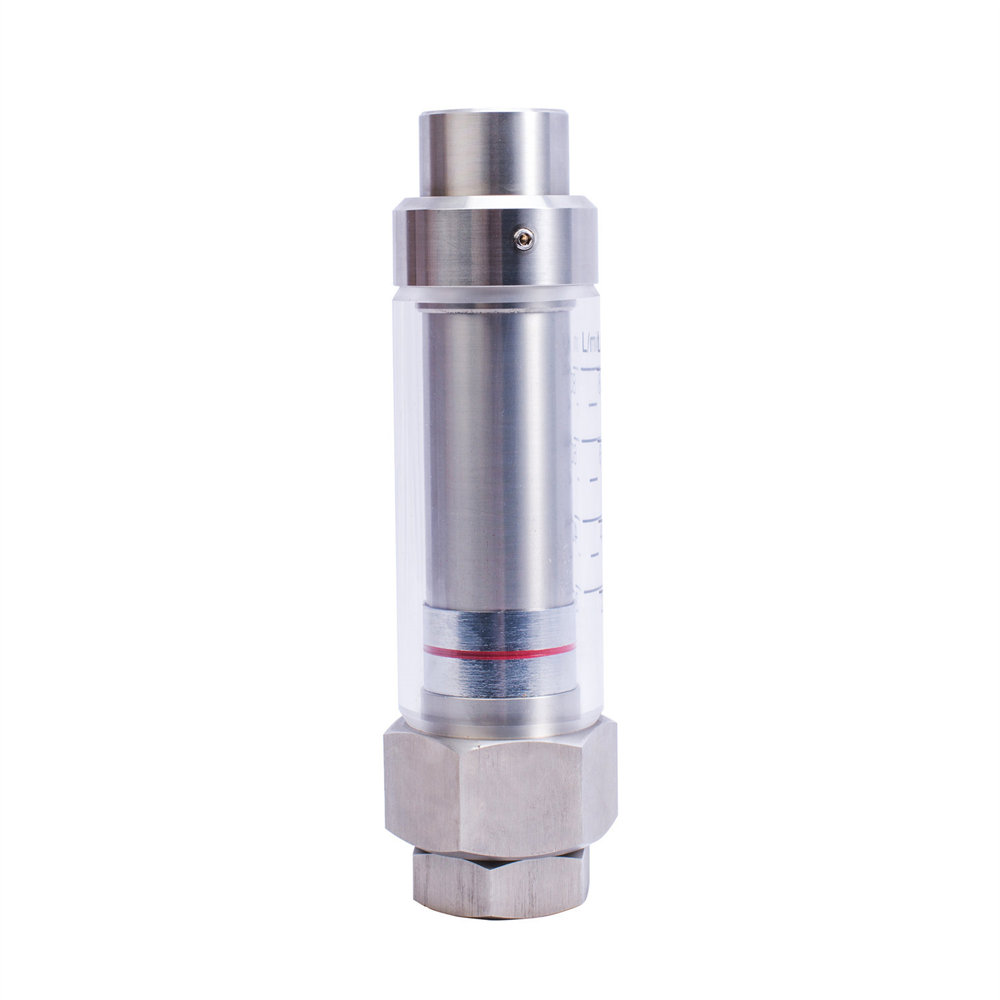
In gas flow applications, vortex flow meters perform well in high-speed conditions. These meters detect vortices generated as fluid passes a bluff body and correlate vortex frequency with flow rate. Vortex meters are robust, reliable, and capable of handling high temperatures and pressures, making them suitable for steam, compressed air, and gas systems. Their performance remains stable even in turbulent flow conditions, provided proper installation guidelines are followed. Turbine flow meters can also be used in high-speed systems, particularly for clean liquids and gases. They offer high accuracy and fast response times. However, because they contain moving parts, they are more susceptible to wear at very high velocities or in fluids containing particles. Proper filtration and maintenance are necessary to ensure long-term performance.
Installation plays a crucial role in achieving accurate flow measurement in high-speed systems. Adequate straight pipe lengths upstream and downstream of the flow meter help stabilize the flow profile. In cases where space is limited, flow conditioners can be used to reduce turbulence and improve measurement accuracy. Proper alignment and secure mounting are also important to prevent vibration-induced errors. Advanced signal processing and digital compensation techniques further enhance measurement performance. Modern flow meters are equipped with algorithms that filter out noise, compensate for turbulence, and provide stable outputs even under rapidly changing conditions. Integration with control systems allows real-time monitoring and adjustment, ensuring optimal process control.
Material selection and durability are also important factors. High-speed fluids can cause erosion or mechanical stress on sensor components, especially in abrasive or corrosive environments. Choosing flow meters with robust construction and suitable materials ensures long-term reliability and reduces maintenance requirements. In conclusion, measuring flow accurately in high-speed fluid systems requires a combination of the right technology, proper installation, and advanced signal processing. Electromagnetic, Coriolis, ultrasonic, vortex, and turbine flow meters each offer unique advantages depending on the application. By carefully evaluating process conditions and selecting appropriate solutions, industries can achieve precise flow measurement, improve efficiency, and maintain stable operations even in demanding high-velocity environments.