ES
ES  EN
EN  FR
FR  RU
RU  DE
DE  PT
PT  AR
AR Temperature Measurement in Sterilization and Autoclave Systems
Sterilization and autoclave systems are critical in industries such as pharmaceuticals, healthcare, food processing, and laboratory research, where strict hygiene and contamination control are essential. These systems rely on precise temperature control—often combined with pressure and time—to ensure effective sterilization of equipment, materials, and products. Accurate temperature measurement is therefore a key factor in validating sterilization cycles, maintaining compliance with standards, and ensuring safety. Autoclaves typically operate using saturated steam at high temperatures and pressures. Common sterilization cycles range from 121°C to 134°C, depending on the application. The effectiveness of sterilization depends not only on reaching the required temperature but also on maintaining it uniformly throughout the chamber for a specified duration. Any deviation or inaccurate measurement can compromise the entire process, potentially leading to incomplete sterilization and contamination risks.
One of the main challenges in temperature measurement within autoclaves is the harsh operating environment. Sensors are exposed to high temperatures, high pressure, and continuous moisture in the form of steam. These conditions can degrade sensor materials, affect calibration, and reduce lifespan if not properly managed. Therefore, temperature sensors used in these systems must be designed with robust materials and high resistance to corrosion and moisture. Another challenge is temperature uniformity within the chamber. Steam distribution may not always be perfectly even, especially in large autoclaves or when loads are densely packed. This can create temperature gradients, where some areas may not reach the required sterilization temperature. To address this, multiple temperature sensors are often installed at different locations within the chamber to monitor and validate uniform heat distribution.
Sensor response time is also critical in sterilization processes. Autoclave cycles include rapid heating and cooling phases, and sensors must respond quickly to these changes to provide accurate real-time data. Slow response due to thermal lag can delay system feedback, potentially affecting cycle control and validation. Using sensors with low thermal mass and proper installation helps improve responsiveness. Commonly used temperature measurement technologies in autoclaves include thermocouples and resistance temperature detectors (RTDs). Thermocouples are valued for their fast response and ability to withstand high temperatures, while RTDs offer higher accuracy and stability over time. The choice between these depends on the specific application requirements, such as precision, response speed, and durability.
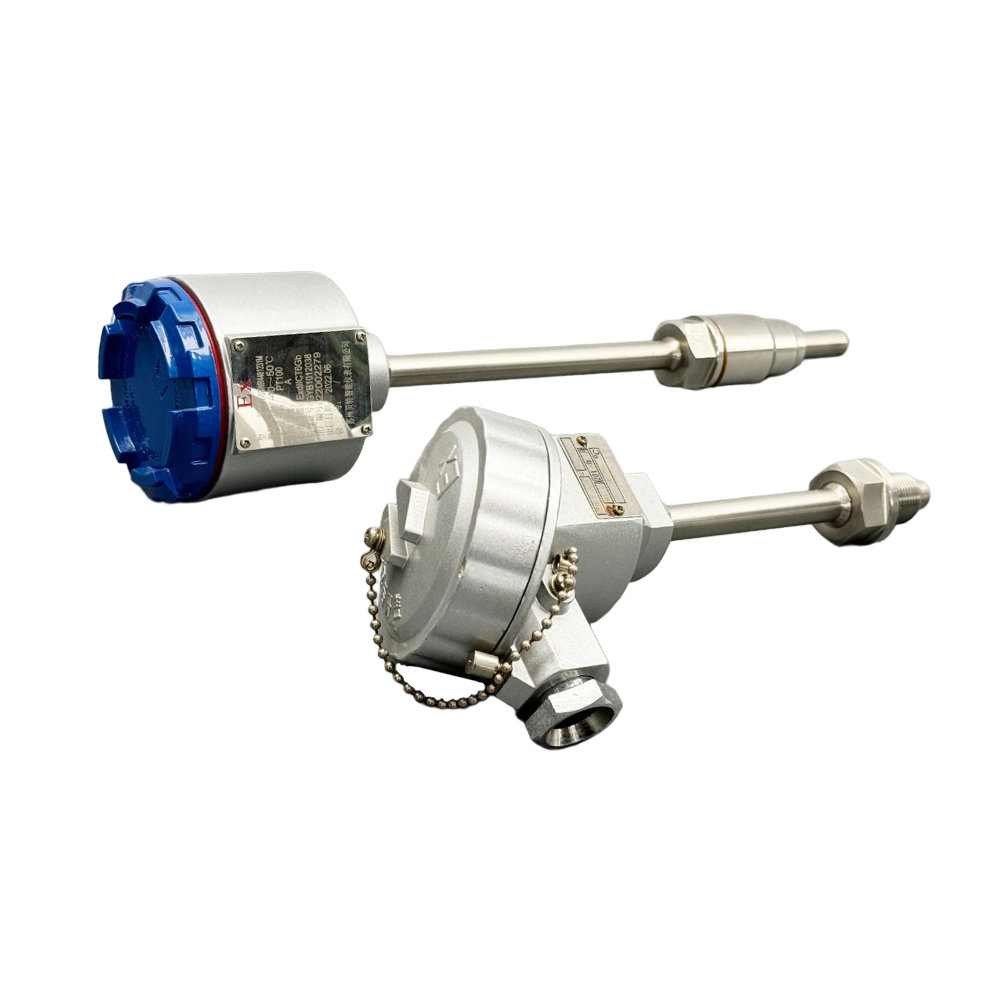
Proper sensor placement is essential for accurate measurement. Sensors should be positioned in areas that represent the most critical points within the autoclave, such as cold spots where sterilization may be less effective. In addition, sensors used for validation are often placed inside the load itself to ensure that the actual materials being sterilized reach the required temperature. Sealing and protection are crucial for maintaining sensor integrity. Since autoclaves operate in high-moisture environments, sensors must be equipped with hermetically sealed housings and moisture-resistant connectors. Any ingress of steam or water into the sensor can lead to measurement errors or electrical failure. Using appropriate protective sheaths and high-quality cable insulation helps ensure long-term reliability.
Calibration and validation are fundamental aspects of temperature measurement in sterilization systems. Regular calibration ensures that sensors provide accurate readings, while validation processes confirm that the sterilization cycle meets required standards. Regulatory guidelines in industries such as pharmaceuticals often require documented proof of accurate temperature measurement and system performance. Advanced control and monitoring systems enhance the reliability of temperature measurement in autoclaves. Digital transmitters and integrated control systems provide real-time data, alarms, and data logging for each sterilization cycle. This allows operators to monitor performance, detect deviations, and maintain compliance with quality standards. Data recording is particularly important for traceability and audit purposes.
Maintenance is also essential for ensuring consistent performance. Over time, sensors may experience wear, corrosion, or calibration drift due to repeated exposure to extreme conditions. Regular inspection, cleaning, and replacement of worn components help maintain measurement accuracy and prevent unexpected failures. In conclusion, temperature measurement in sterilization and autoclave systems requires a combination of robust sensor technology, proper installation, and strict quality control practices. By selecting suitable sensors, ensuring accurate placement, and maintaining regular calibration and monitoring, industries can achieve reliable sterilization performance. Accurate temperature measurement not only ensures product safety and compliance but also supports efficient and consistent operation in critical applications.