DE
DE  EN
EN  FR
FR  RU
RU  ES
ES  PT
PT  AR
AR How to Measure Pressure in Rapidly Pulsating Gas Systems
Measuring pressure in rapidly pulsating gas systems is a challenging task in many industrial applications, including compressors, reciprocating pumps, gas pipelines, and combustion systems. Unlike steady-state conditions, pulsating systems produce continuous pressure fluctuations caused by mechanical motion, valve operation, or flow instability. These rapid changes can distort measurement signals, reduce accuracy, and place additional stress on instrumentation. Achieving reliable pressure measurement in such environments requires a combination of proper sensor selection, installation techniques, and signal processing methods. Pressure pulsation typically occurs in systems where gas flow is not uniform. Reciprocating compressors and piston-driven equipment generate periodic pressure waves as gas is compressed and released. These pressure waves travel through pipelines, creating oscillations that can be significantly different from the actual average system pressure. If not properly managed, these fluctuations can cause unstable readings and lead to incorrect control decisions.
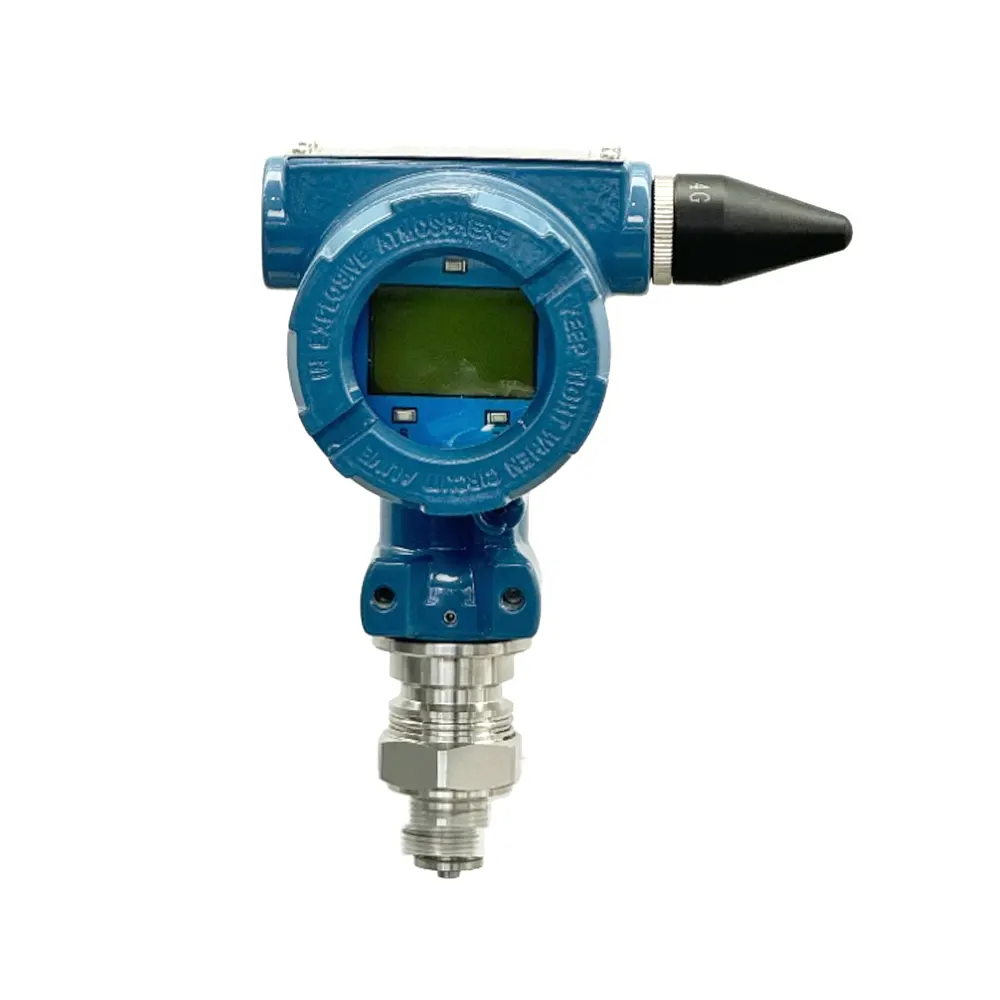
One of the main challenges in pulsating systems is distinguishing between true process pressure and transient fluctuations. Standard pressure transmitters may respond to every pulse, resulting in highly variable output signals. This can confuse control systems and lead to unnecessary adjustments or instability. Therefore, it is essential to use transmitters that can filter or dampen these rapid variations while still capturing meaningful pressure data. Selecting the right pressure transmitter is a critical first step. Instruments designed for industrial applications often include built-in damping or digital filtering features. These allow the transmitter to average the pressure signal over time, providing a stable output that represents the actual process condition. Transmitters with adjustable damping settings offer flexibility, enabling operators to fine-tune response characteristics based on the level of pulsation.
Mechanical damping is also widely used to reduce the impact of pressure fluctuations before they reach the sensor. Devices such as snubbers, pulsation dampeners, and restrictors can be installed between the process line and the transmitter. These components absorb or smooth out pressure spikes, protecting the sensing element and improving measurement stability. Proper selection and sizing of these devices are important to ensure they do not overly restrict the pressure signal. Installation practices play a significant role in measurement accuracy. Mounting the pressure transmitter away from the immediate source of pulsation, such as downstream of bends or at a distance from compressors, can help reduce the intensity of pressure waves. Using impulse lines or capillary tubing can further dampen fluctuations by introducing a buffering effect between the process and the sensor. Secure mounting is also important to prevent vibration from affecting the measurement.
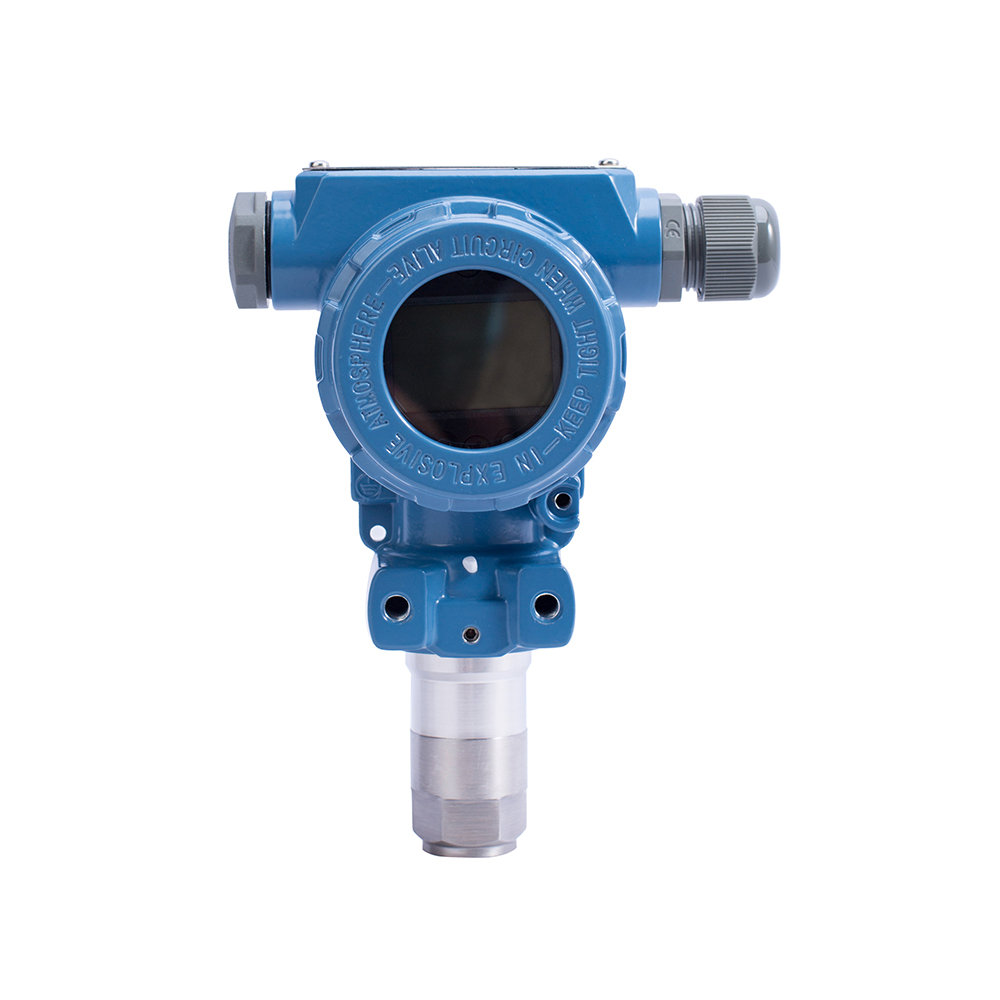
In addition to mechanical solutions, advanced signal processing techniques improve measurement reliability. Modern transmitters use digital algorithms to filter out high-frequency noise while preserving the underlying pressure trend. These systems can differentiate between repetitive pulsation patterns and actual process changes, ensuring that control systems receive accurate and stable data. Choosing the correct pressure range is another important factor. If the transmitter range is too narrow, pressure spikes may exceed its limits and cause damage or inaccurate readings. Selecting a transmitter with an appropriate range that can handle peak pressures while maintaining sensitivity to average values ensures better performance in pulsating environments.
Regular maintenance and calibration are essential for long-term accuracy. Continuous exposure to pressure fluctuations can gradually affect sensor components, leading to drift or wear. Periodic inspection of dampening devices, impulse lines, and transmitter performance helps identify issues early and maintain reliable operation. Safety considerations are also critical in pulsating gas systems. Rapid pressure changes can increase the risk of equipment failure or leaks. Accurate and stable pressure measurement allows operators to monitor system behavior effectively and respond quickly to abnormal conditions. Using robust, high-quality transmitters with appropriate certifications ensures safe operation in demanding environments.
In conclusion, measuring pressure in rapidly pulsating gas systems requires a comprehensive approach that combines suitable instrumentation, effective damping techniques, proper installation, and advanced signal processing. By addressing the challenges of pressure fluctuations, industries can achieve accurate and stable measurements, improve process control, and ensure safe and efficient operation.