DE
DE  EN
EN  FR
FR  RU
RU  ES
ES  PT
PT  AR
AR How Pressure Transmitters Help Reduce Hydraulic System Energy Consumption
How Pressure Transmitters Help Reduce Hydraulic System Energy Consumption is an important topic in modern industrial automation, where efficiency and cost reduction are key performance goals. Hydraulic systems are widely used in manufacturing, construction equipment, and heavy machinery, but they can also be significant energy consumers if not properly controlled. A pressure transmitter is a device that continuously measures hydraulic pressure and converts it into an electrical signal for monitoring and control. This real-time data allows operators and automation systems to understand exactly how much pressure is being used at any moment in the system.
One of the main ways pressure transmitters reduce energy consumption is by enabling precise pressure control. Instead of running hydraulic pumps at full power all the time, the system can adjust output based on actual demand. This avoids unnecessary energy waste caused by excessive pressure generation. In many hydraulic systems, pressure spikes and fluctuations are common. Without monitoring, pumps often operate in a “safe overpressure” mode, consuming more energy than needed. A pressure transmitter helps detect these conditions early so the control system can optimize pump operation.
Variable speed pump systems especially benefit from pressure feedback. The transmitter sends continuous pressure readings to the controller, which then adjusts motor speed accordingly. This ensures that the pump only works as hard as required, significantly reducing electricity consumption. Another important contribution of pressure transmitters is improving system stability. When pressure is maintained within an optimal range, hydraulic components such as valves, cylinders, and seals operate more efficiently. This reduces internal leakage and mechanical losses that otherwise increase energy demand.
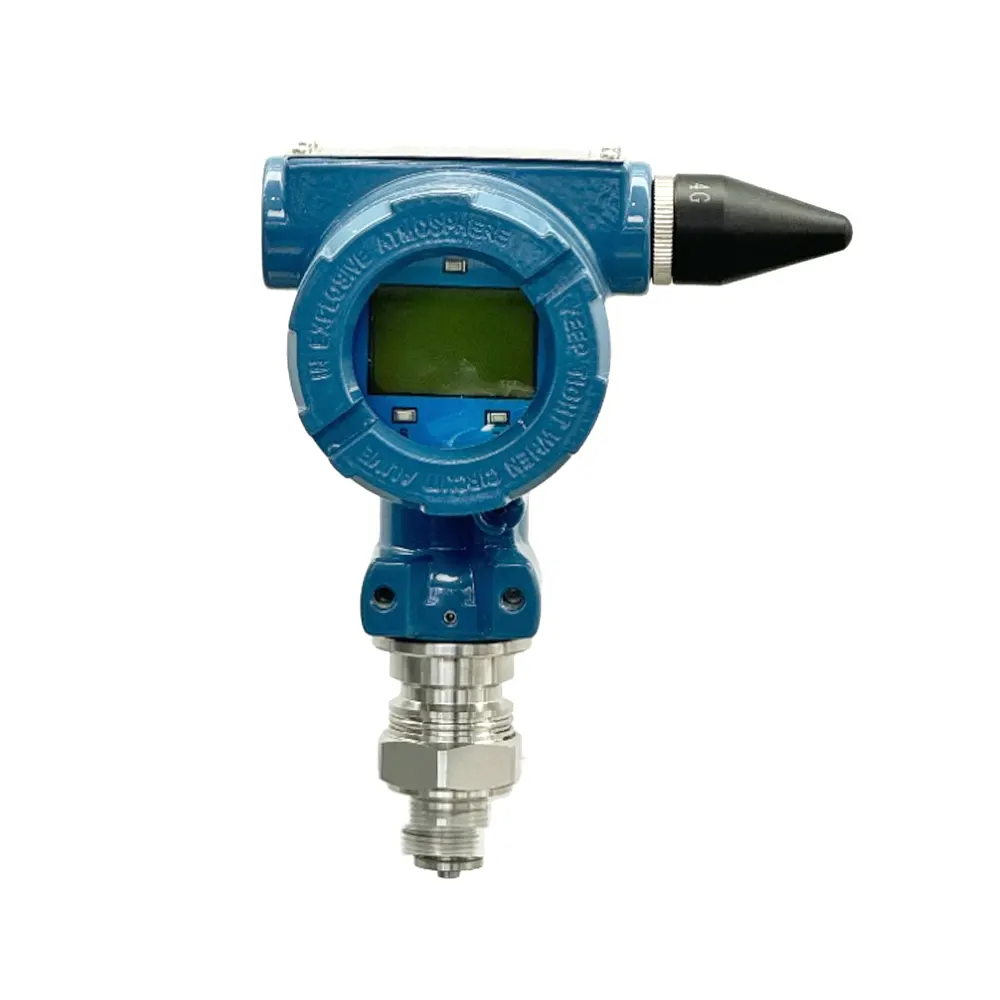
Pressure transmitters also help identify inefficiencies in the system. For example, a sudden drop in pressure may indicate a leak or worn component. Without real-time monitoring, these issues can go unnoticed, causing continuous energy waste and higher operational costs. In addition, accurate pressure monitoring supports better load matching. Many hydraulic machines operate under variable loads, and a fixed-pressure system often overcompensates. With transmitter feedback, the system can dynamically adjust pressure to match the actual workload.
Energy savings are also achieved through reduced heat generation. Excess hydraulic pressure often converts into heat, which requires cooling systems to operate more frequently. By optimizing pressure levels, transmitters indirectly reduce cooling energy consumption as well. Modern smart pressure transmitters can integrate with PLCs and industrial IoT systems, enabling advanced energy management strategies. Data analytics can be used to identify long-term consumption patterns and further optimize hydraulic system performance.
Preventive maintenance is another key advantage. By tracking pressure trends over time, operators can detect early signs of pump inefficiency or valve degradation. Fixing these issues promptly helps maintain optimal energy efficiency throughout the system’s lifecycle. Industries such as injection molding, metal forming, and construction equipment manufacturing benefit greatly from pressure transmitter integration. In these applications, even small improvements in hydraulic efficiency can lead to significant cost savings over time.
In conclusion, pressure transmitters play a crucial role in reducing hydraulic system energy consumption by enabling precise control, improving system efficiency, detecting faults early, and supporting intelligent automation strategies. Their use not only lowers operational costs but also enhances system reliability and sustainability.