AR
AR  EN
EN  FR
FR  RU
RU  DE
DE  ES
ES  PT
PT PH & ORP Online Monitoring in Water Treatment Systems
Water treatment processes depend heavily on precise chemical control to ensure water quality, safety, and regulatory compliance. Two of the most critical parameters in these systems are pH (potential of hydrogen) and ORP (oxidation-reduction potential). Online monitoring of pH and ORP provides continuous, real-time data that helps operators maintain optimal treatment conditions, improve efficiency, and prevent process failures. PH measurement indicates the acidity or alkalinity of water, typically on a scale from 0 to 14. Maintaining the correct pH level is essential in processes such as coagulation, flocculation, disinfection, and neutralization. If pH deviates from the required range, chemical reactions may become less effective, leading to poor treatment performance. For example, in coagulation processes, improper pH can reduce the efficiency of particle removal, resulting in cloudy or contaminated water.
ORP, on the other hand, measures the water’s ability to oxidize or reduce substances. It is widely used to monitor disinfection processes, especially those involving chlorine, ozone, or other oxidizing agents. A higher ORP value generally indicates stronger disinfection potential, ensuring that harmful microorganisms are effectively neutralized. Unlike direct chemical concentration measurement, ORP provides a more practical indication of overall disinfection effectiveness. Online monitoring systems allow continuous tracking of these parameters without the need for manual sampling. Sensors installed in pipelines or treatment tanks send real-time data to control systems, enabling immediate adjustments to chemical dosing. This continuous feedback loop ensures that water quality remains within target limits, reducing the risk of under-treatment or overuse of chemicals.
One of the main advantages of online pH and ORP monitoring is improved process efficiency. By maintaining optimal chemical conditions, operators can minimize chemical consumption while achieving the desired treatment results. This not only reduces operational costs but also helps prevent environmental issues caused by excessive chemical discharge. Another important benefit is enhanced safety and compliance. Water treatment facilities must meet strict regulatory standards for water quality. Continuous monitoring ensures that any deviation from required parameters is detected immediately, allowing operators to take corrective action before it becomes a serious issue. Automated alarms and system integration further improve response time and reduce the risk of non-compliance.
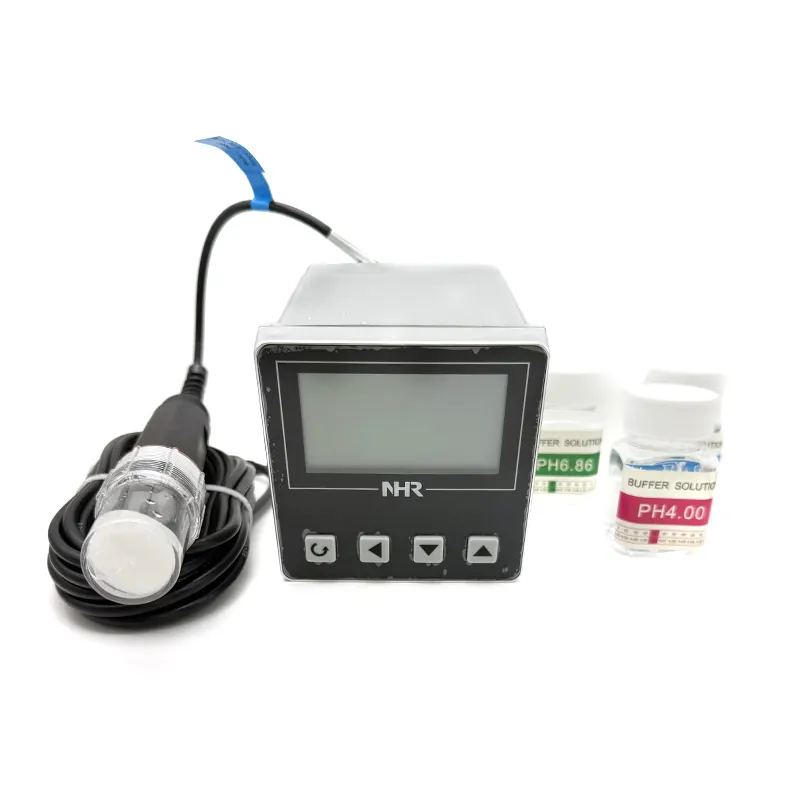
Sensor selection and maintenance are critical for reliable performance. pH and ORP sensors are typically electrochemical devices that can be affected by fouling, scaling, or coating from contaminants in the water. In wastewater or industrial applications, sensor surfaces may accumulate deposits that interfere with accurate measurement. Regular cleaning, calibration, and proper sensor selection based on the application environment help maintain accuracy and longevity. Installation location also plays a key role in measurement reliability. Sensors should be placed in areas where the water is well-mixed and representative of the overall process. Poor placement, such as near chemical injection points or stagnant zones, can lead to misleading readings. Using flow cells or bypass systems can help create stable measurement conditions and protect sensors from harsh flow dynamics.
Modern pH and ORP monitoring systems often include advanced features such as automatic temperature compensation, digital communication, and self-diagnostics. Temperature compensation is particularly important because pH readings can vary with temperature changes. Digital transmitters improve signal stability and allow seamless integration with SCADA or control systems for centralized monitoring and data logging. In addition to municipal water treatment, pH and ORP monitoring are widely used in industries such as food and beverage, pharmaceuticals, power generation, and chemical processing. In each case, maintaining proper chemical balance is essential for product quality, equipment protection, and environmental compliance.
Despite their advantages, online monitoring systems require proper management. Regular calibration using standard solutions ensures measurement accuracy, while periodic inspection helps identify sensor wear or damage. Implementing a maintenance schedule is essential for long-term reliability and consistent performance. In conclusion, pH and ORP online monitoring are vital tools in modern water treatment systems. They provide real-time insight into chemical conditions, enabling precise control, improved efficiency, and enhanced safety. By selecting appropriate sensors, ensuring proper installation, and maintaining regular calibration, industries can achieve reliable water treatment performance and meet the highest quality standards.