EN
EN  FR
FR  RU
RU  DE
DE  ES
ES  PT
PT  AR
AR The Role of Positive Displacement Flow Meters in Chemical Dosing Systems
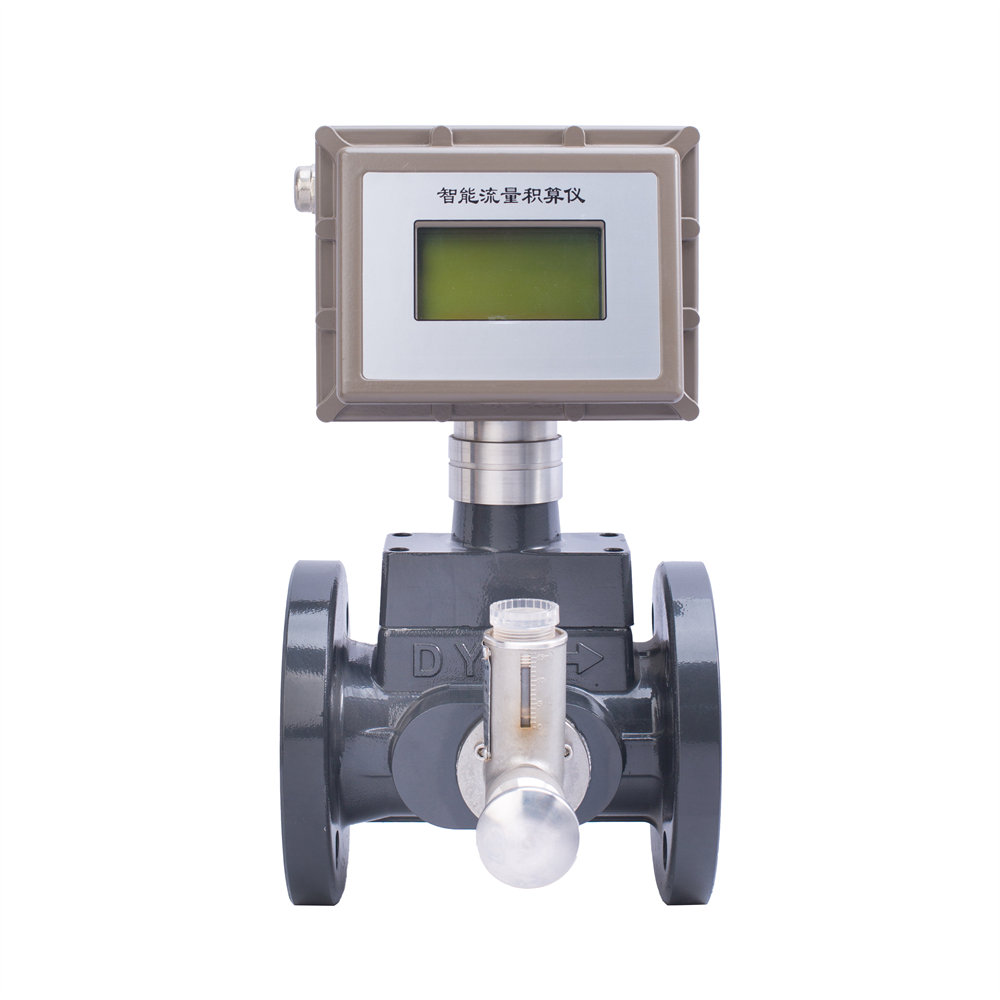
Chemical dosing systems are widely used in industries such as water treatment, chemical manufacturing, food processing, pharmaceuticals, and oil and gas. These systems are designed to deliver precise amounts of chemicals into a process to achieve specific results, such as pH adjustment, disinfection, mixing, or reaction control. Accurate flow measurement is essential in these applications, and positive displacement flow meters are often chosen because of their ability to provide highly precise and repeatable measurements. Positive displacement flow meters operate by trapping a fixed volume of liquid and mechanically counting the number of times that volume passes through the meter. Since the meter directly measures the actual volume of fluid flowing through it, it provides highly accurate readings even under varying process conditions. This makes the technology particularly suitable for chemical dosing applications where precision is critical.
One of the biggest advantages of positive displacement flow meters is their excellent accuracy at low flow rates. Many chemical dosing systems handle relatively small volumes of liquid, and some flow meter technologies may struggle to maintain accuracy under these conditions. Positive displacement meters can accurately measure low-flow applications, ensuring precise chemical delivery. Repeatability is another important benefit. In chemical dosing processes, consistent dosing is often as important as absolute accuracy. Positive displacement flow meters provide highly repeatable measurements, helping operators maintain stable process conditions and achieve consistent product quality. This is especially valuable in industries with strict quality requirements.
Many chemical dosing applications involve liquids with varying viscosities. Unlike some flow meter technologies that are significantly affected by viscosity changes, positive displacement flow meters generally perform well across a wide range of fluid viscosities. This makes them suitable for measuring chemicals such as polymers, additives, lubricants, and concentrated solutions. Water treatment facilities commonly use positive displacement flow meters in chemical injection systems. Chemicals such as chlorine, coagulants, and pH adjustment agents must be added in carefully controlled amounts. Accurate flow measurement helps ensure effective treatment while preventing chemical overuse or underdosing that could affect water quality.
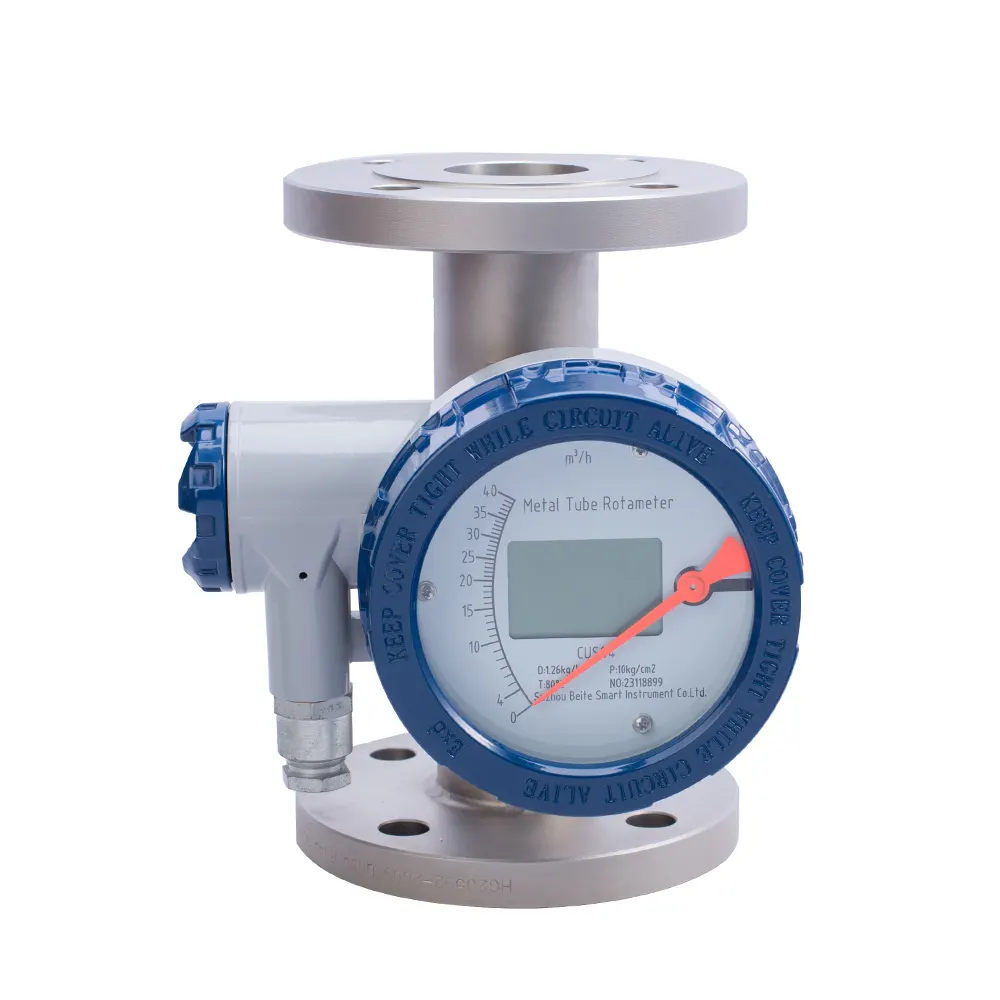
In chemical manufacturing plants, precise dosing is essential for maintaining reaction efficiency and product consistency. Incorrect chemical quantities can lead to off-specification products, wasted materials, or process instability. Positive displacement flow meters help ensure that each ingredient is delivered accurately according to process requirements. The food and beverage industry also relies on accurate dosing systems for ingredients such as flavorings, colorants, preservatives, and liquid additives. Positive displacement flow meters help maintain recipe consistency and reduce product variation. Accurate ingredient control contributes to both product quality and cost efficiency.
Another advantage of positive displacement flow meters is their ability to operate independently of flow profile conditions. Unlike some flow measurement technologies that require long straight pipe runs, positive displacement meters are generally less sensitive to upstream and downstream flow disturbances. This can simplify installation in compact dosing systems. Modern positive displacement flow meters can be integrated with PLCs, SCADA systems, and automated dosing equipment. Real-time flow data allows operators to monitor chemical consumption, adjust dosing rates, and maintain precise process control. Automation also improves operational efficiency and reduces the risk of human error.
Proper meter selection is important for achieving the best performance. Factors such as chemical compatibility, operating pressure, temperature, and flow range should be carefully evaluated. Selecting suitable materials and meter designs helps ensure reliable operation and long service life in demanding chemical environments. Regular maintenance and calibration contribute to long-term accuracy. Although positive displacement flow meters are known for their durability, periodic inspection helps identify wear, buildup, or contamination that may affect measurement performance. Preventive maintenance ensures continued reliability and minimizes unexpected downtime.