Visual Sight Indicators for Real-Time Flow Observation in Pipelines
In many industrial processes, having immediate visual confirmation of fluid flow is essential for safe and efficient operation. While advanced sensors and transmitters provide precise data, there are situations where simple, direct observation is equally valuable. Visual sight indicators offer a practical solution by allowing operators to monitor flow conditions in real time without relying solely on electronic instrumentation. Visual sight indicators are devices installed directly into pipelines to provide a clear view of the fluid inside. Typically constructed with a transparent section made from glass or durable plastic, these devices allow operators to observe flow characteristics such as movement, clarity, color, and the presence of bubbles or particles. This direct visibility makes them especially useful for quick inspections and troubleshooting.
One of the main advantages of visual sight indicators is their ability to provide instant confirmation of flow. In systems where pumps, valves, or flow switches are used, operators can visually verify whether fluid is actually moving through the pipeline. This is particularly helpful during startup, maintenance, or when diagnosing system issues. Unlike electronic sensors, which may require calibration or power, sight indicators provide immediate feedback without complexity. These devices are widely used in industries such as chemical processing, water treatment, food and beverage, pharmaceuticals, and oil and gas. In chemical applications, they allow operators to check fluid color or detect contamination. In water systems, they help confirm flow direction and identify air bubbles or sediment. In food and pharmaceutical processes, visual inspection ensures that fluids meet quality and cleanliness standards.
Another important benefit is early detection of abnormal conditions. Visual sight indicators can reveal issues such as air entrainment, cavitation, or flow interruption. For example, the presence of bubbles may indicate leaks or improper pump operation, while a lack of visible movement may signal blockage or pump failure. Detecting these problems early helps prevent equipment damage and reduces downtime. Visual sight indicators also support maintenance and safety procedures. During system servicing, operators can confirm whether pipelines are empty or still contain fluid, reducing the risk of accidental exposure. In hazardous environments, this added visibility enhances operational safety by providing clear, real-time information without the need to open the system.
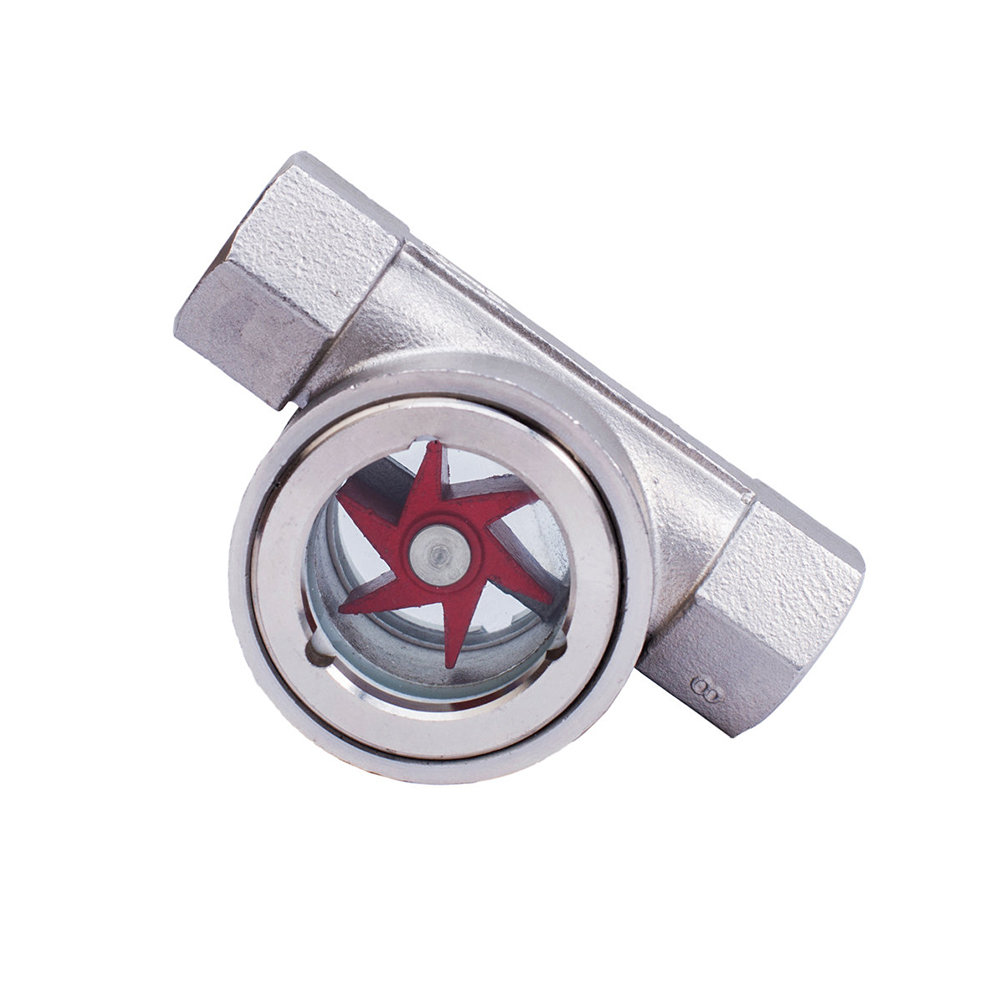
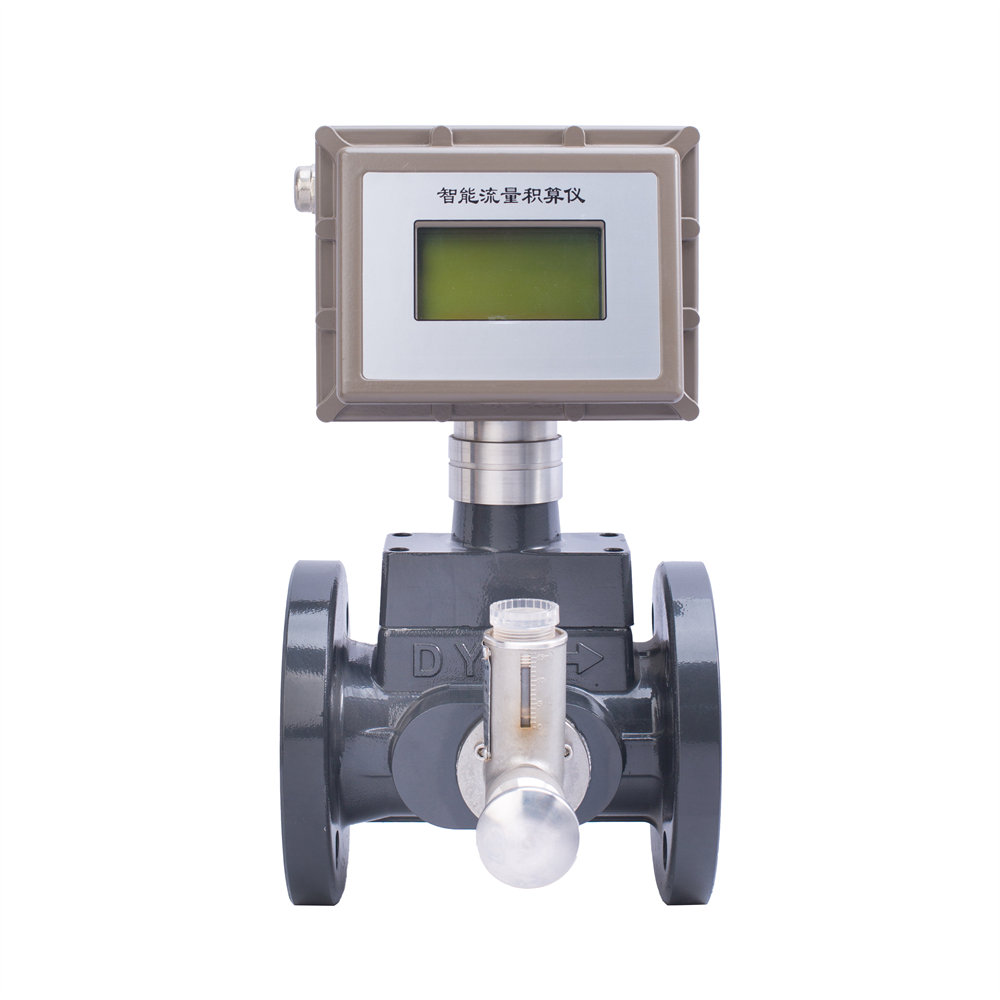
There are different types of sight indicators designed for specific applications. Standard sight glasses provide a simple window into the pipeline, while flap or rotor-type indicators include moving elements that visibly rotate or move when flow is present. These dynamic indicators make it easier to detect even low flow conditions, as the movement provides a clear visual cue. Material selection is critical for ensuring durability and compatibility with the process fluid. Sight indicators must be able to withstand pressure, temperature, and chemical exposure. Materials such as borosilicate glass, stainless steel, or high-performance plastics are commonly used to ensure long-term reliability. Proper sealing is also important to prevent leaks and maintain system integrity.
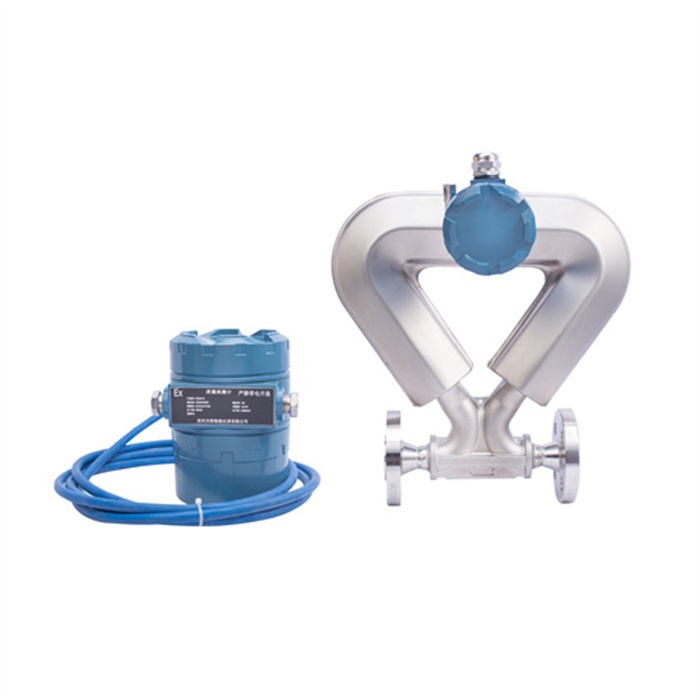
Installation plays a key role in effective operation. Sight indicators should be placed in accessible locations where operators can easily observe them. Proper alignment and secure mounting ensure accurate visualization and prevent mechanical stress. In some cases, lighting or external indicators may be added to improve visibility in low-light environments. While visual sight indicators offer many advantages, they are typically used as a supplement to electronic measurement systems rather than a replacement. They do not provide quantitative data such as flow rate or pressure but instead offer qualitative insight into flow conditions. Combining sight indicators with flow meters or sensors provides a more complete understanding of system performance.
Maintenance is generally straightforward but important for long-term use. Over time, deposits or contamination may accumulate on the transparent surface, reducing visibility. Regular cleaning ensures clear observation and reliable performance. Periodic inspection of seals and fittings also helps maintain system safety. In conclusion, visual sight indicators are simple yet highly effective tools for real-time flow observation in pipelines. They provide immediate visual feedback, support troubleshooting, and enhance safety across a wide range of industrial applications. By integrating these devices with modern instrumentation, industries can achieve better process visibility, improved reliability, and more efficient operation.