Flow and Pressure Monitoring in Cryogenic and Low-Temperature Applications
Cryogenic and low-temperature applications are widely used in industries such as liquefied natural gas (LNG), industrial gas production, aerospace, pharmaceuticals, and scientific research. These processes often involve extremely low temperatures, sometimes reaching below −150°C, where gases such as nitrogen, oxygen, argon, and hydrogen are stored or transported in liquid form. In such demanding environments, accurate flow and pressure monitoring are essential to maintain safe operations, ensure process efficiency, and protect sensitive equipment from potential damage. Cryogenic systems operate under conditions that are very different from standard industrial environments. Extremely low temperatures can affect the physical properties of materials, including contraction, brittleness, and changes in mechanical strength. Instruments used in these applications must therefore be specially designed to withstand thermal stress and maintain measurement accuracy despite severe temperature fluctuations. Flow meters and pressure transmitters used in cryogenic processes require robust construction and materials that remain stable and reliable under extreme cold.
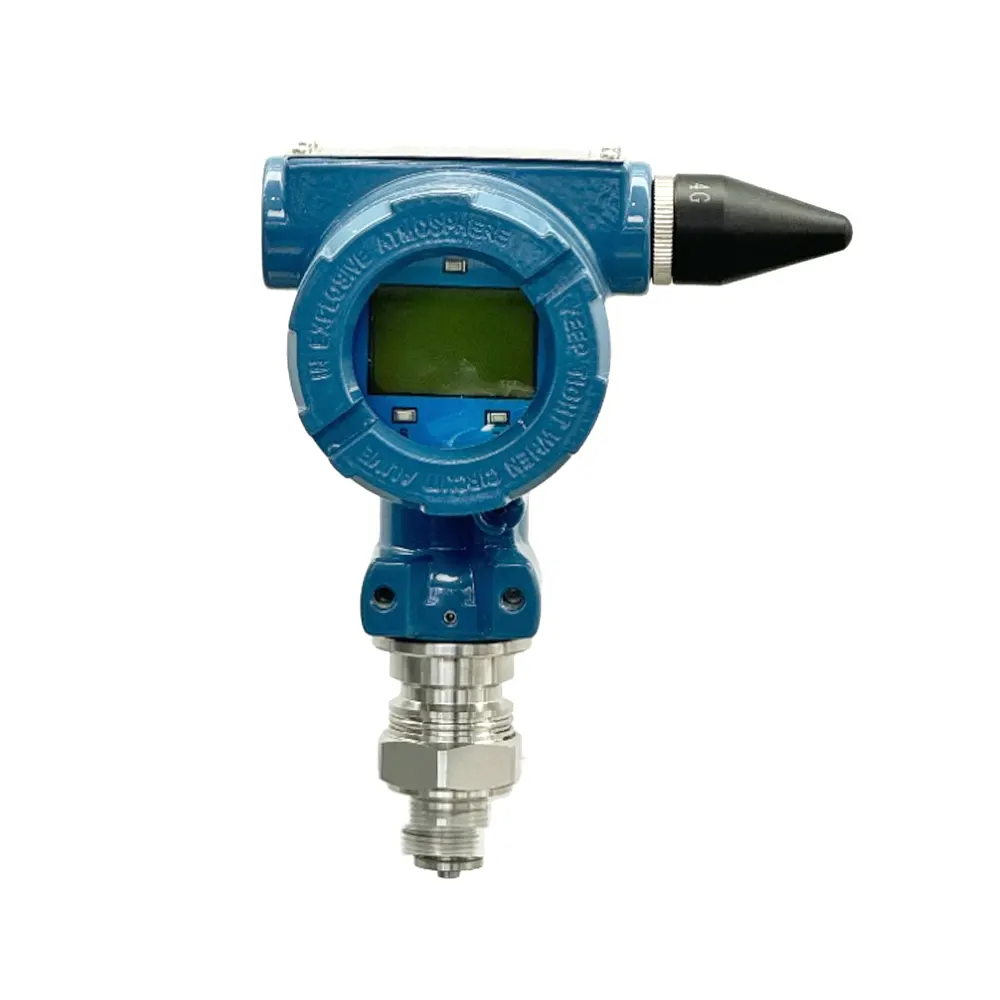
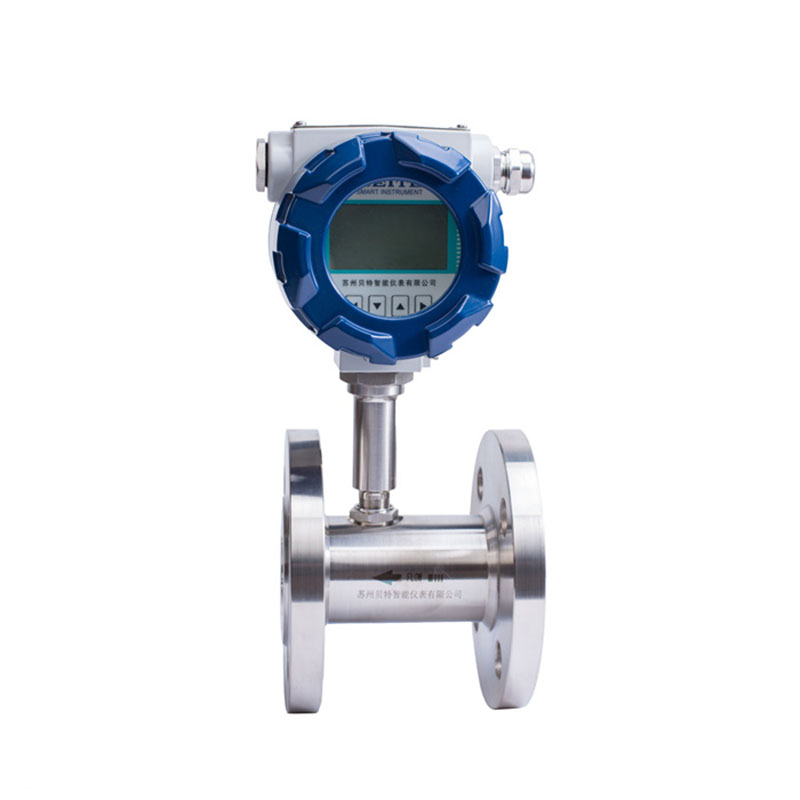
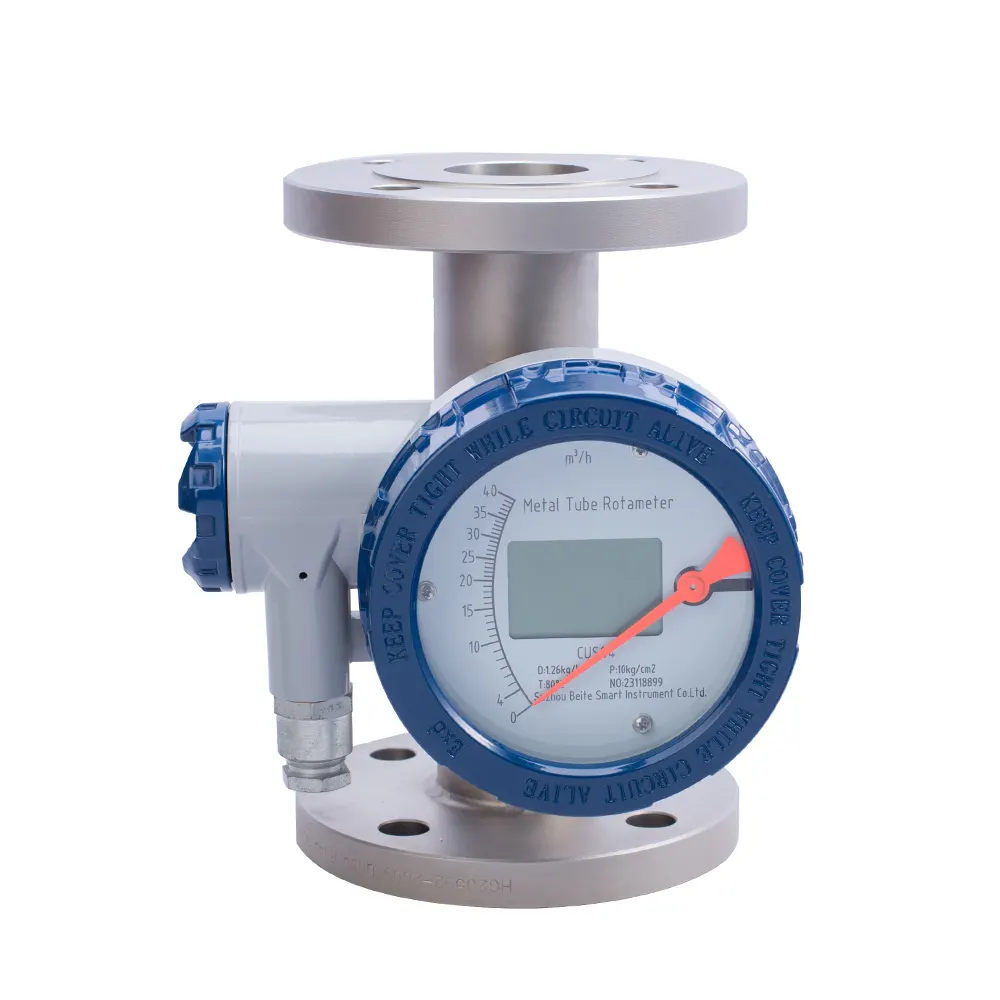
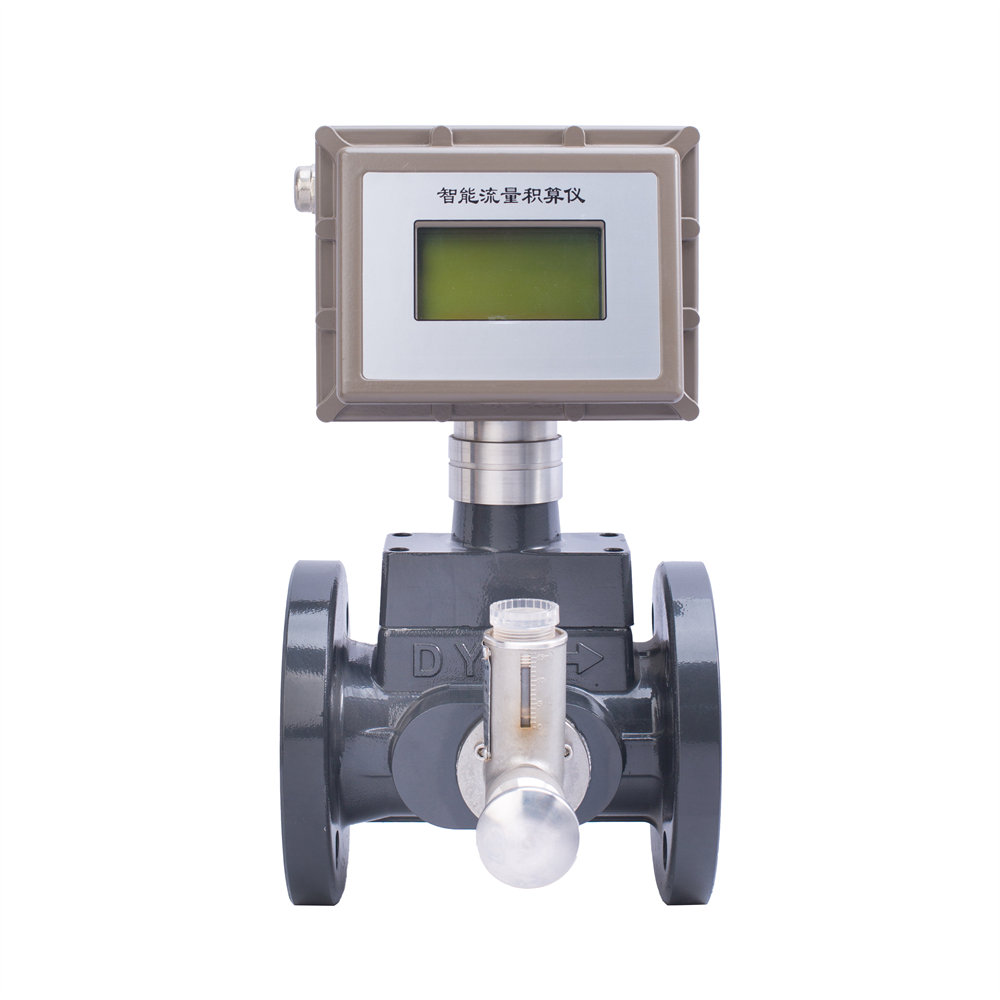
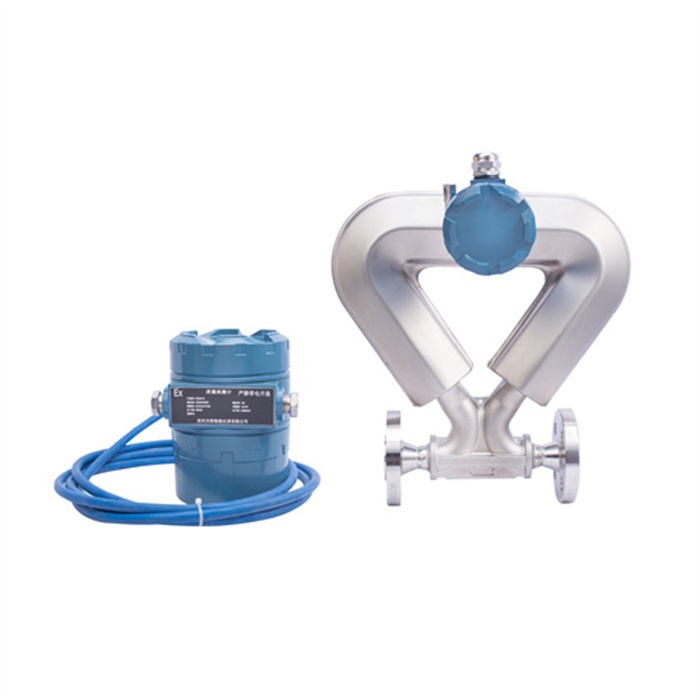
Flow monitoring plays a critical role in cryogenic processes such as gas liquefaction, storage transfer, and distribution. In LNG facilities, for example, accurate flow measurement is required when transferring liquefied gas between storage tanks, transport vessels, and pipelines. Even small measurement inaccuracies can lead to significant financial losses due to the high value of cryogenic gases. Precision flow meters help operators maintain proper flow rates, optimize system efficiency, and verify custody transfer during loading and unloading operations. Pressure monitoring is equally important in cryogenic systems because liquefied gases are often stored under controlled pressure conditions. Storage tanks must maintain stable pressure levels to prevent excessive evaporation or dangerous overpressure situations. Pressure transmitters continuously measure tank and pipeline pressure, ensuring that the system remains within safe operating limits. If pressure rises unexpectedly due to temperature changes or equipment malfunction, control systems can trigger relief mechanisms or adjust process parameters to prevent accidents.
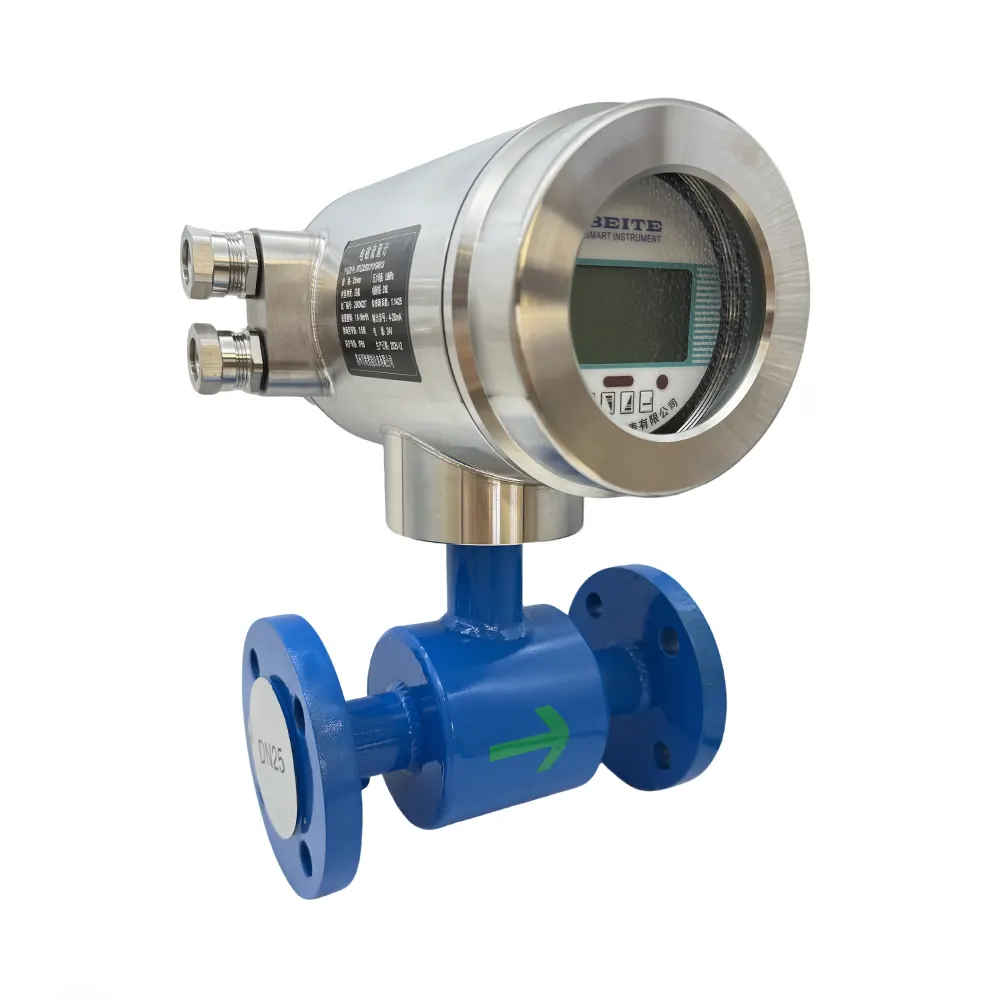
One of the key challenges in cryogenic measurement is maintaining sensor accuracy despite extreme temperature differences between the process medium and surrounding environment. When instruments are exposed to rapid temperature changes, condensation and thermal expansion may affect performance. To address this, cryogenic instruments often include specialized insulation, extended neck designs, or remote-mounted transmitters. These features protect sensitive electronics and sensing elements from direct exposure to extremely cold fluids while maintaining reliable measurement capability. Material compatibility is another critical factor in cryogenic instrumentation. Metals and seals used in sensors must remain flexible and strong at very low temperatures. Stainless steel alloys, special elastomers, and cryogenic-grade components are commonly used to prevent cracking or deformation. Proper material selection ensures that flow meters and pressure transmitters maintain their structural integrity and measurement precision throughout long-term operation in cryogenic environments.
Safety is a major concern in cryogenic facilities. Rapid expansion of liquefied gases can create high-pressure conditions, and leaks may pose risks of asphyxiation or fire depending on the gas involved. Accurate flow and pressure monitoring helps operators quickly detect abnormal conditions such as unexpected pressure drops, flow imbalances, or system blockages. Early detection allows immediate corrective action, minimizing the risk of equipment damage or hazardous incidents. Modern cryogenic monitoring systems increasingly incorporate digital communication and smart diagnostics. Advanced flow meters and pressure transmitters can transmit real-time data to centralized control systems, allowing engineers to monitor system performance remotely. Predictive diagnostics help identify potential issues such as sensor drift, abnormal pressure trends, or reduced flow efficiency. These capabilities support proactive maintenance and reduce the likelihood of unexpected shutdowns.
As global demand for cryogenic technologies continues to grow, reliable instrumentation remains a critical component of safe and efficient operations. Accurate flow and pressure monitoring ensure that cryogenic processes run smoothly while maintaining strict safety and quality standards. By using specialized sensors designed for extreme conditions, industries can achieve stable performance, protect valuable resources, and maintain the high precision required in modern low-temperature applications.