Common Causes of Flow Measurement Drift and How to Prevent Them
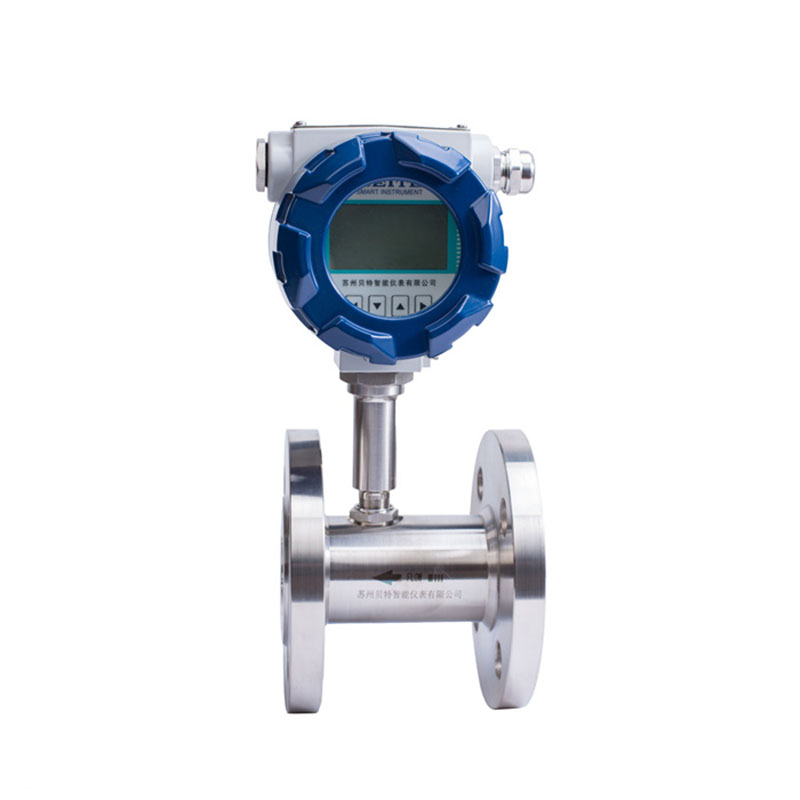
Accurate flow measurement is essential for stable process control, product quality, and operational efficiency in industrial systems. However, over time, many flow measurement devices experience drift—gradual deviation from their original calibration—leading to inaccurate readings and potential process issues. Understanding the common causes of flow measurement drift and implementing effective prevention strategies can significantly improve measurement reliability and reduce maintenance costs. One of the most frequent causes of flow measurement drift is sensor aging and component degradation. Continuous exposure to process media, pressure, temperature fluctuations, and vibration gradually affects sensor materials and electronic components. In flow meters with moving parts, such as turbine or positive displacement meters, mechanical wear can alter measurement characteristics. To prevent aging-related drift, selecting high-quality materials, using robust sensor designs, and performing periodic recalibration are essential. Implementing a preventive maintenance schedule helps detect early signs of wear before accuracy is compromised.
Temperature variation is another major contributor to drift. Many flow meters are sensitive to temperature changes, which can affect fluid properties such as density and viscosity, as well as electronic circuit performance. If temperature compensation is insufficient or absent, measurement accuracy may degrade over time. Using flow meters with built-in temperature compensation, installing temperature transmitters alongside flow devices, and ensuring stable ambient conditions around electronics can effectively minimize temperature-induced drift. Process contamination and buildup can also lead to measurement deviation. In applications involving dirty fluids, slurries, or viscous media, deposits may accumulate on sensor surfaces or inside measuring chambers. This buildup changes flow dynamics and reduces sensor responsiveness. Regular inspection and cleaning, selecting self-cleaning designs, and choosing non-contact or smooth-bore measurement technologies such as electromagnetic or ultrasonic flow meters can help reduce contamination-related drift.
Improper installation conditions often cause drift that is mistaken for instrument failure. Inadequate straight pipe lengths, upstream disturbances, air entrainment, or partially filled pipes can result in unstable flow profiles and long-term measurement errors. Preventing this type of drift requires correct installation practices, including proper alignment, sufficient straight runs, and adherence to manufacturer guidelines. In challenging layouts, flow conditioners or alternative meter technologies may be necessary. Electrical interference and signal instability can gradually affect measurement accuracy, especially in environments with heavy machinery, motors, or high electromagnetic fields. Poor grounding, improper shielding, or aging cables can introduce noise into measurement signals. Using shielded cables, proper grounding techniques, and digital communication protocols improves signal integrity and reduces the risk of electronic drift.
Another overlooked factor is calibration interval mismatch. Some processes operate continuously under severe conditions, while calibration schedules remain fixed or infrequent. This mismatch allows drift to accumulate unnoticed. Adopting condition-based calibration strategies—where recalibration is triggered by diagnostics, operating hours, or performance indicators—helps maintain long-term accuracy without unnecessary downtime. Modern flow meters equipped with diagnostic and self-monitoring features provide powerful tools for drift prevention. These instruments can detect abnormal sensor behavior, fouling, or signal deviations in real time. By integrating diagnostic data into control systems, operators can address potential drift proactively rather than reactively.
In conclusion, flow measurement drift results from a combination of mechanical, thermal, electrical, and process-related factors. Preventing drift requires a holistic approach that includes proper technology selection, correct installation, regular maintenance, effective temperature compensation, and the use of intelligent diagnostics. By understanding these causes and applying targeted prevention strategies, industries can maintain accurate flow measurement, improve process stability, and ensure long-term operational efficiency.