EN
EN  FR
FR  RU
RU  DE
DE  ES
ES  PT
PT  AR
AR How DP Transmitters Are Used in Blast Furnace Pressure Monitoring
Blast furnaces are among the most demanding industrial environments, operating under extremely high temperatures, heavy dust loads, and intense pressure conditions. In ironmaking, stable pressure control inside the furnace and associated gas systems is critical for process efficiency, equipment protection, and operational safety. Differential pressure (DP) transmitters play a key role in monitoring and controlling these conditions by providing precise pressure difference measurements across various points in the system. One of the main applications of DP transmitters in blast furnace operations is top pressure monitoring. The pressure at the furnace top affects gas flow distribution, combustion efficiency, and the overall stability of the smelting process. DP transmitters measure the difference between furnace top pressure and reference pressure points, providing real-time data to control valves and gas recovery systems. Maintaining stable top pressure helps optimize fuel use, improve productivity, and reduce emissions.
DP transmitters are also widely used in blast furnace gas cleaning systems. The gas produced during ironmaking contains dust, particulates, and impurities that must be removed before reuse or release. Equipment such as cyclones, scrubbers, and bag filters rely on pressure drop measurements to assess performance. By installing DP transmitters across these components, operators can monitor pressure differentials that indicate dust buildup or blockages. Early detection of rising pressure drop allows timely maintenance, preventing system overload or reduced gas cleaning efficiency. Another important use is in hot blast stove systems, which preheat air before it enters the furnace. Stable airflow and pressure are essential for maintaining combustion temperature. DP transmitters measure pressure differences across air ducts, burners, and heat exchangers, ensuring proper airflow distribution. Accurate readings help operators adjust air supply, maintain thermal efficiency, and protect equipment from pressure-related stress.
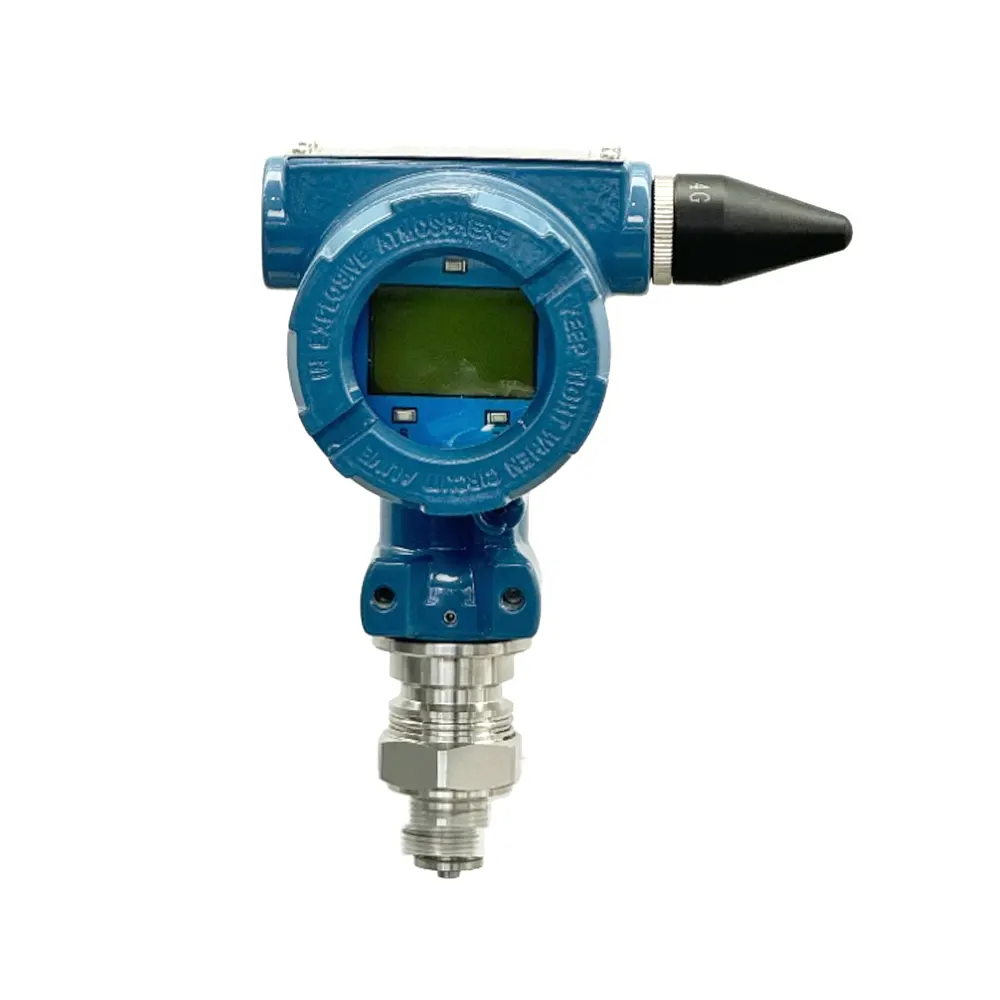
DP transmitters also support flow measurement in blast furnace pipelines. Using primary elements such as orifice plates or venturi tubes, pressure drop data can be converted into flow rates for air, gas, and cooling water systems. This information is crucial for balancing inputs and outputs, ensuring that the furnace operates within safe and efficient limits. The harsh nature of blast furnace environments requires highly robust transmitters. High temperatures, vibration, and corrosive gases can degrade standard instruments quickly. DP transmitters used in this sector often feature remote diaphragm seals, heat-resistant materials, and protective housings to shield sensitive components. These design features ensure long-term stability and minimize maintenance under severe conditions.
Safety is another critical factor. Blast furnaces involve high pressures and combustible gases, making explosion-proof instrumentation essential. DP transmitters with appropriate hazardous-area certifications provide reliable performance while reducing the risk of ignition or failure in dangerous zones. Modern DP transmitters also offer digital communication and diagnostics. Integration with control systems enables continuous monitoring, trend analysis, and predictive maintenance. Operators can detect abnormal pressure changes, leaks, or equipment degradation early, improving plant reliability and reducing unplanned downtime.
In summary, differential pressure transmitters are indispensable in blast furnace pressure monitoring. From furnace top pressure control to gas cleaning, hot blast systems, and flow measurement, these instruments provide the accurate data required for safe, efficient, and stable ironmaking operations.