RU
RU  EN
EN  FR
FR  DE
DE  ES
ES  PT
PT  AR
AR Pressure Monitoring in Hydraulic Power Units
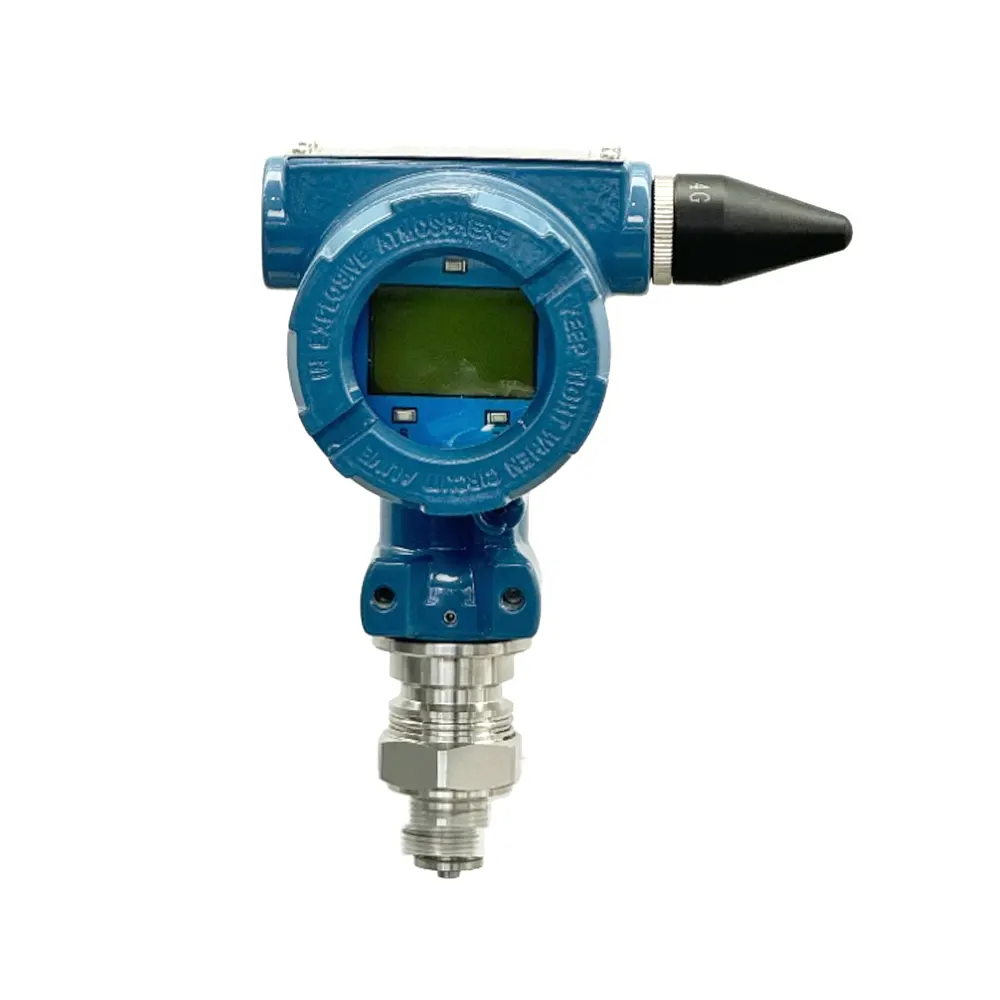
Hydraulic power units (HPUs) are essential components in a wide range of industrial systems, including manufacturing equipment, construction machinery, metal processing lines, injection molding machines, and power generation facilities. These systems rely on hydraulic pressure to transfer energy and perform mechanical work efficiently. To ensure safe operation and optimal performance, accurate pressure monitoring is critical. Pressure transmitters play a key role in continuously measuring hydraulic pressure and providing real-time data for system control, protection, and maintenance. Hydraulic power units operate by using pumps to generate fluid pressure, which is then delivered through valves and actuators to perform various tasks. The effectiveness of the entire system depends on maintaining pressure within a specific operating range. If pressure becomes too high or too low, equipment performance can suffer, and components may be damaged. Pressure monitoring helps operators maintain stable operating conditions and prevent costly failures.
One of the primary functions of pressure monitoring in HPUs is protecting the hydraulic pump. Pumps are designed to operate within specific pressure limits. Excessive pressure can overload the pump, causing overheating, seal failure, or mechanical damage. Insufficient pressure may indicate fluid shortages, internal leakage, or pump wear. By continuously monitoring pressure, operators can quickly identify abnormal conditions and take corrective action before major damage occurs. Pressure transmitters also help maintain system efficiency. Hydraulic systems require precise pressure control to ensure smooth operation of cylinders, motors, and actuators. Real-time pressure data allows control systems to adjust pump output, valve positions, and operating parameters as needed. This helps maintain consistent machine performance while reducing energy consumption and unnecessary system stress.
Another important benefit is early fault detection. Changes in hydraulic pressure often provide the first indication of system problems. A gradual pressure drop may signal internal leakage, worn seals, or pump deterioration. Sudden pressure spikes could indicate blocked lines, valve malfunctions, or excessive loads. Continuous pressure monitoring enables maintenance teams to identify these issues early and prevent unexpected downtime. Pressure monitoring is particularly important in high-pressure hydraulic applications. Industries such as forging, metal stamping, and heavy construction equipment often operate at extremely high pressures. In these environments, even minor pressure deviations can affect product quality, machine performance, and operator safety. Reliable pressure transmitters provide the accuracy needed to maintain stable operation under demanding conditions.
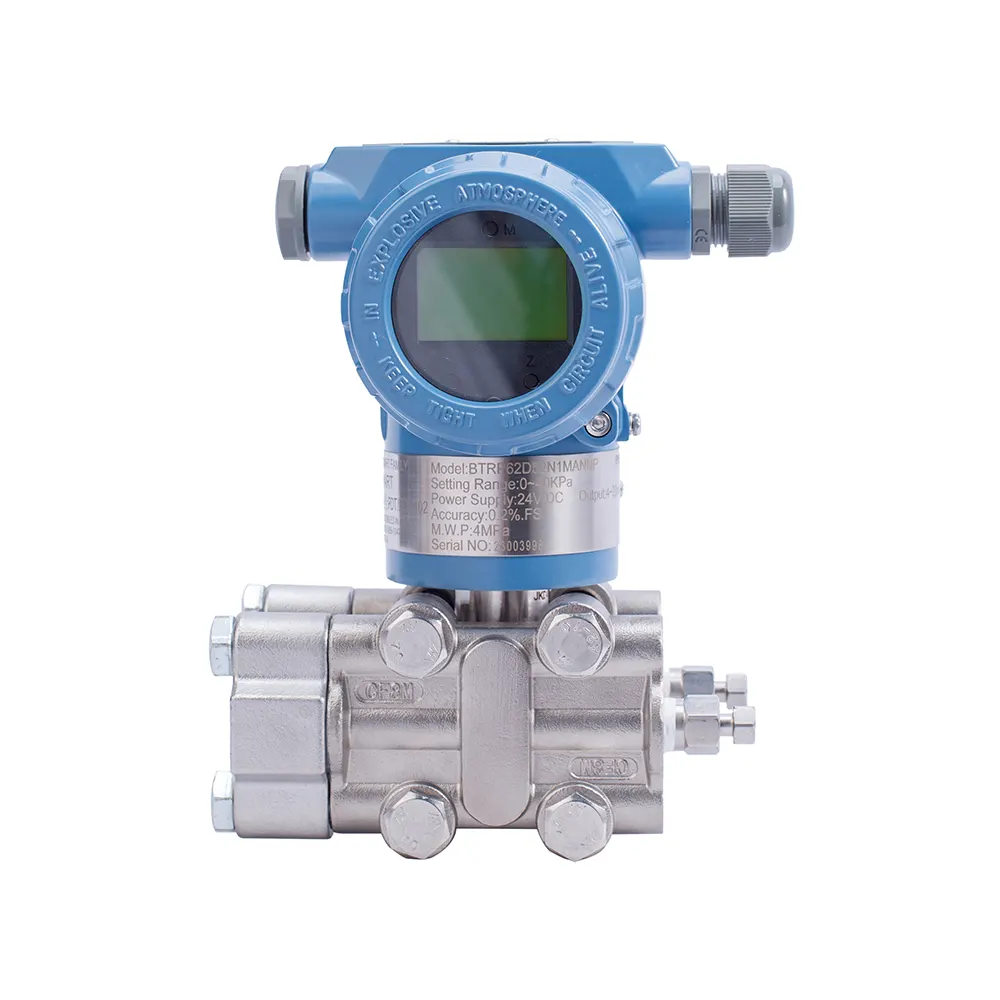
Safety is another critical reason for monitoring hydraulic pressure. Excessive pressure can create hazardous situations, including hose rupture, component failure, or fluid leaks. Pressure transmitters integrated with alarms and automatic shutdown systems help prevent dangerous operating conditions. When pressure exceeds safe limits, operators can receive immediate warnings or trigger protective actions automatically. Modern hydraulic systems often use pressure transmitters connected to PLCs, SCADA systems, and industrial automation networks. This integration allows operators to monitor pressure remotely, analyze trends, and generate maintenance reports. Historical pressure data can help identify recurring problems and support predictive maintenance strategies, reducing long-term operating costs.
The selection of pressure transmitters for hydraulic power units requires careful consideration of operating conditions. Sensors must withstand high pressure, vibration, temperature changes, and hydraulic fluid exposure. Stainless steel diaphragms, robust housings, and high-pressure-rated designs are commonly used to ensure long-term durability and measurement stability. Proper installation is essential for accurate pressure measurement. Pressure transmitters should be installed at key points within the hydraulic circuit, such as pump outlets, accumulator lines, and actuator supply lines. Correct mounting helps capture representative pressure data and improves system diagnostics. Vibration-resistant installation methods can further enhance reliability in demanding industrial environments.
Regular maintenance and calibration are important for maintaining measurement accuracy. Over time, hydraulic systems may experience contamination, pressure cycling, or mechanical wear that can affect sensor performance. Routine inspection and calibration ensure that transmitters continue providing reliable data and supporting safe system operation. In conclusion, pressure monitoring is a vital part of hydraulic power unit performance, safety, and reliability. By providing continuous insight into system pressure, pressure transmitters help protect pumps, improve efficiency, detect faults early, and support predictive maintenance. With proper sensor selection, installation, and maintenance, industries can ensure stable hydraulic operation while minimizing downtime and extending equipment life.