RU
RU  EN
EN  FR
FR  DE
DE  ES
ES  PT
PT  AR
AR Ensuring Measurement Accuracy in High-Vibration Machinery Zones
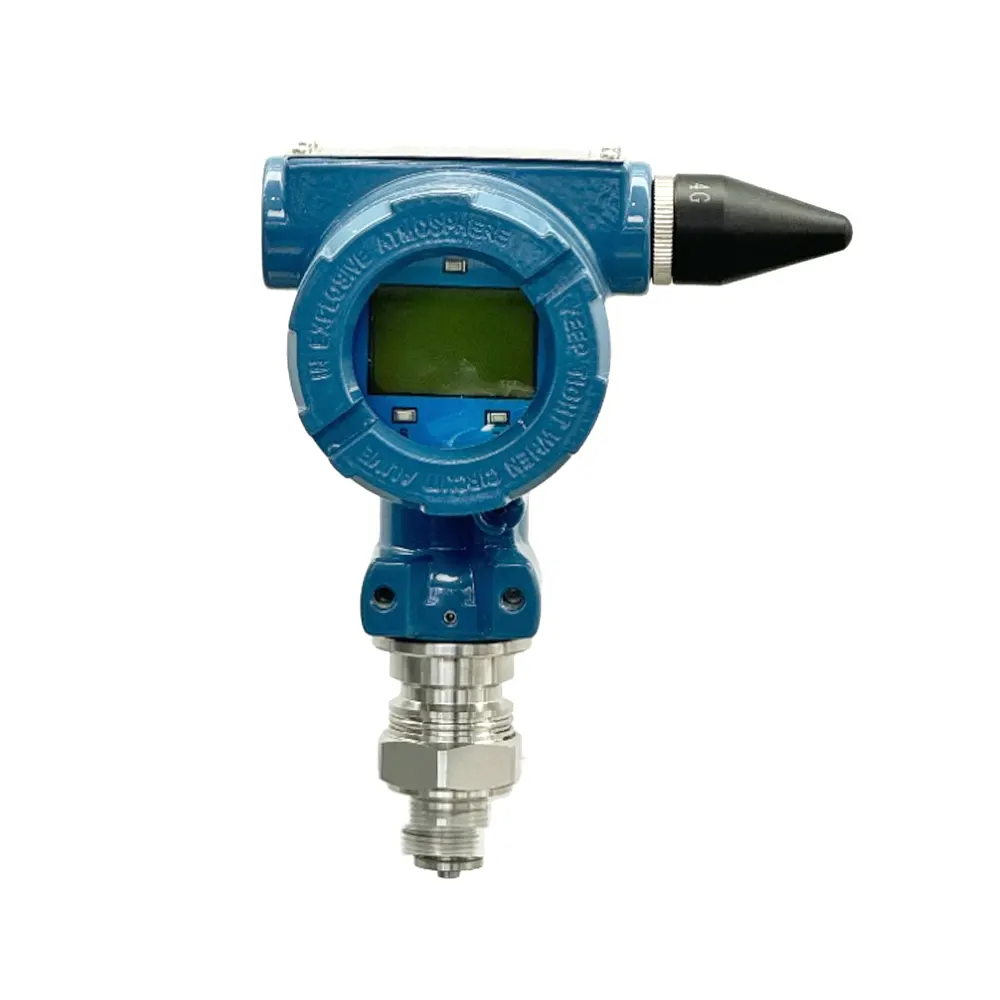
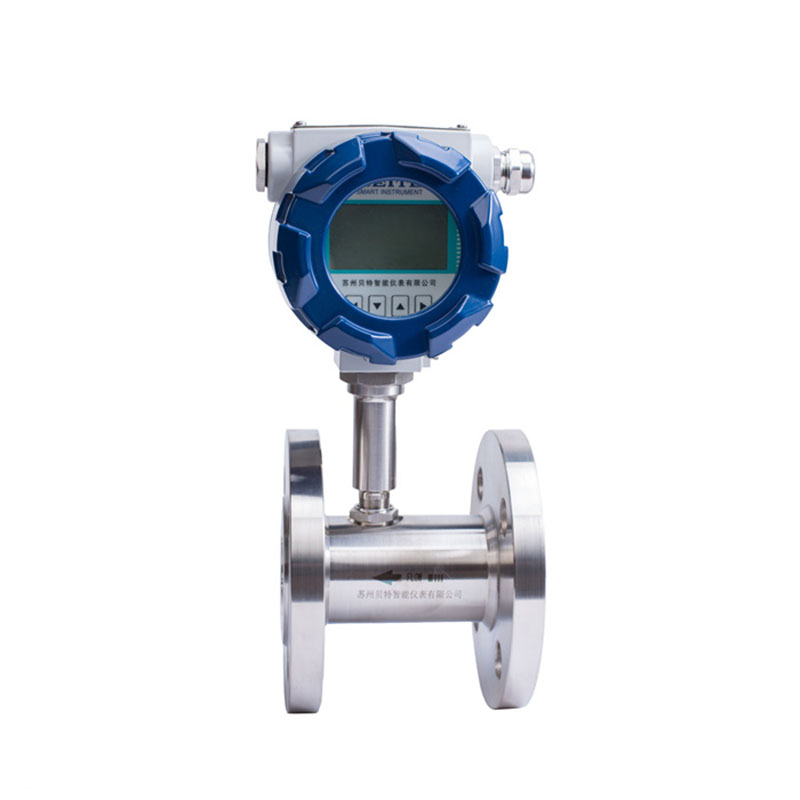
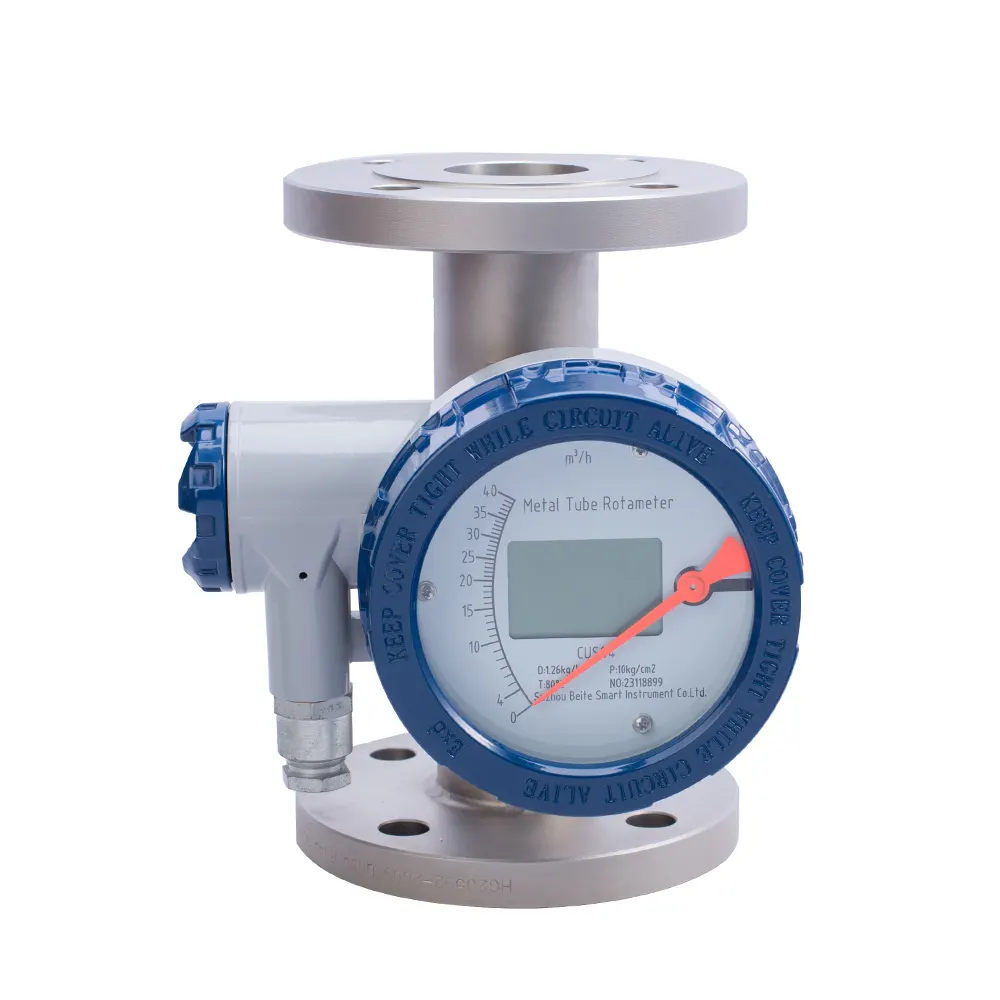
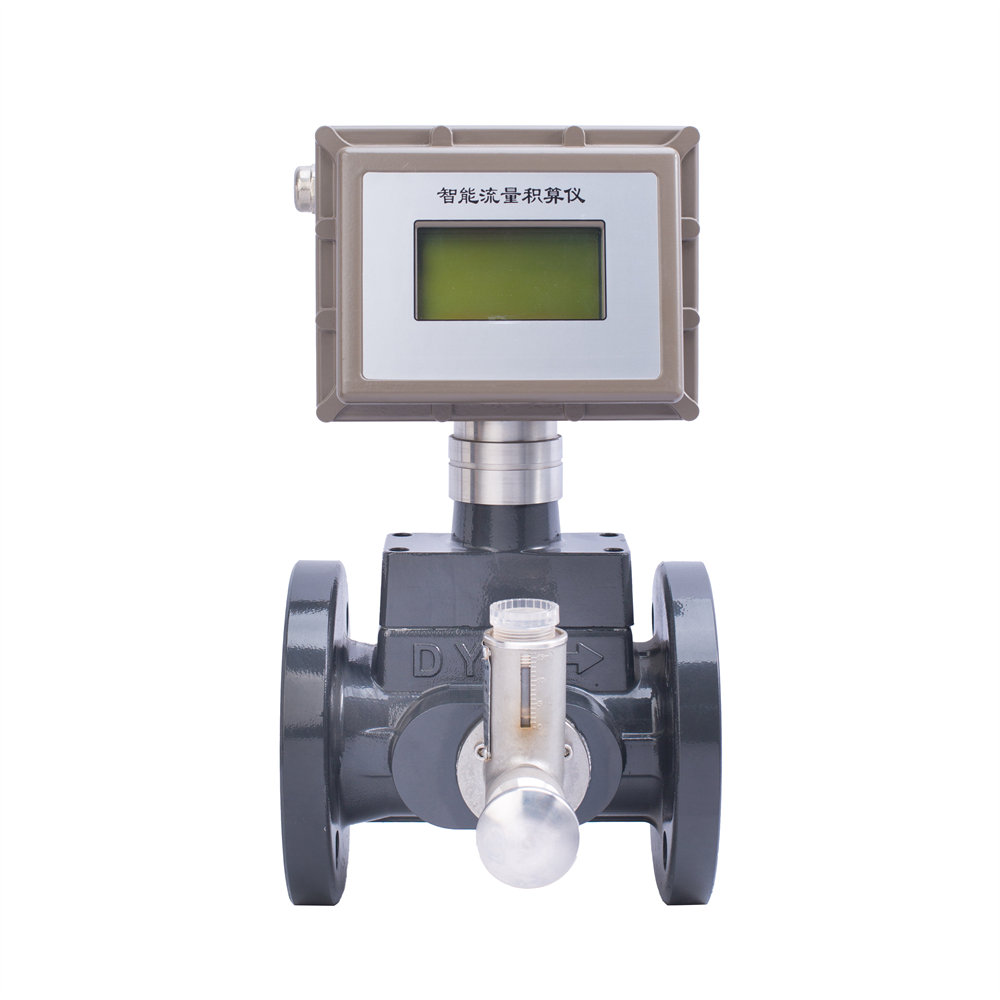
Industrial facilities such as power plants, steel mills, mining operations, and heavy manufacturing environments often contain machinery that generates intense vibration. Equipment like compressors, turbines, pumps, crushers, and large motors create continuous mechanical movement that can interfere with nearby measurement instruments. In such high-vibration zones, maintaining accurate readings from flow meters, pressure transmitters, temperature sensors, and level instruments becomes a significant challenge. Ensuring measurement stability in these conditions requires careful instrument design, installation practices, and advanced signal processing. Vibration can influence industrial sensors in several ways. Continuous mechanical oscillation may loosen mechanical connections, shift internal components, or cause small fluctuations in sensing elements. For example, pressure transmitters installed directly on vibrating pipelines may experience mechanical stress on their sensing diaphragms. Similarly, flow meters installed near large pumps may encounter unstable signals due to turbulence combined with vibration. Over time, these disturbances can lead to measurement drift, erratic outputs, or even premature instrument failure.
One of the most effective ways to protect measurement accuracy is through robust instrument design. Industrial sensors used in harsh environments are often built with reinforced housings, vibration-resistant internal structures, and durable materials. High-quality transmitters are designed to isolate sensitive sensing elements from external mechanical disturbances. Solid-state electronics and compact sensor assemblies also reduce the risk of internal movement caused by vibration. These design features help maintain stable measurements even when installed close to heavy rotating equipment. Proper installation techniques also play a critical role in minimizing vibration impact. Instruments should be mounted using sturdy brackets or support structures that absorb mechanical shock. In many cases, impulse lines or capillary tubing are used to separate pressure transmitters from highly vibrating pipelines. Flexible mounting components and vibration dampers can further reduce direct mechanical transmission. Additionally, locating instruments slightly away from the main vibration source—while still maintaining accurate process connection—can significantly improve signal stability.
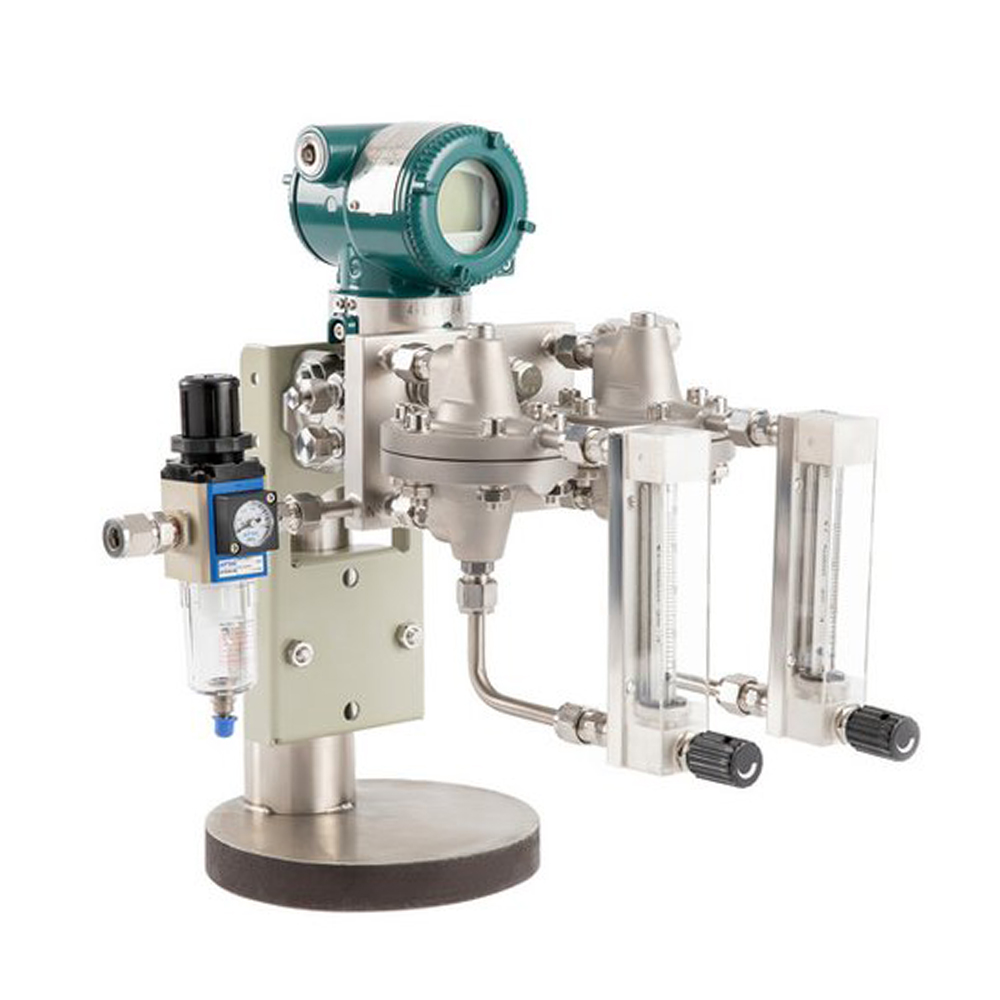
Signal filtering and advanced electronics provide another layer of protection against vibration-induced measurement errors. Modern smart transmitters often incorporate digital filtering algorithms that distinguish between actual process variations and noise generated by mechanical vibration. By smoothing erratic fluctuations in the signal, these systems ensure that control systems receive reliable data. Some advanced instruments also include built-in diagnostics that detect abnormal vibration levels and notify operators when installation conditions may be affecting measurement accuracy. Regular maintenance and calibration are equally important in high-vibration areas. Continuous vibration can gradually loosen fittings, electrical connections, or mounting hardware. Periodic inspections ensure that instruments remain securely installed and properly aligned with the process connection. Calibration checks confirm that sensors maintain accuracy over time despite exposure to harsh mechanical conditions. Early detection of wear or mounting issues prevents long-term measurement drift.
Selecting the right type of measurement technology is another key consideration. Some sensor designs are inherently more resistant to vibration than others. For example, differential pressure transmitters with robust diaphragm seals, electromagnetic flow meters with no moving parts, and solid-state pressure sensors are often preferred in high-vibration environments. These technologies minimize mechanical components that could be affected by constant motion, ensuring more stable performance in demanding industrial applications. Digital integration also contributes to improved reliability. Smart instruments equipped with communication protocols can transmit diagnostic data alongside measurement values. Maintenance teams can monitor sensor performance remotely and identify unusual signal patterns caused by vibration. Predictive maintenance systems can analyze long-term trends to detect early signs of instrument instability before measurement accuracy deteriorates.
High-vibration machinery zones present unavoidable challenges in industrial measurement, but accurate monitoring remains essential for process control, safety, and efficiency. By combining durable instrument design, proper installation practices, advanced signal processing, and proactive maintenance strategies, industries can ensure reliable measurement performance even in the most mechanically demanding environments. Maintaining accuracy under such conditions ultimately supports stable production processes and protects valuable industrial assets.