PT
PT  EN
EN  FR
FR  RU
RU  DE
DE  ES
ES  AR
AR Heavy-Duty Level Gauges for Molten Metal and Furnace Applications
Measuring material levels in molten metal and furnace environments is one of the most challenging tasks in industrial instrumentation. Steelmaking, foundries, non-ferrous metal processing, and high-temperature furnaces operate under extreme thermal, mechanical, and chemical stresses. Accurate level monitoring in these conditions is essential for process control, safety, and production efficiency. Heavy-duty level gauges are specifically engineered to withstand these harsh environments while delivering stable and reliable measurement. Molten metal applications often involve temperatures exceeding 1,000°C, intense radiant heat, dust, vibration, and corrosive atmospheres. Traditional level measurement devices cannot survive in such conditions without rapid failure. Heavy-duty level gauges use high-temperature-resistant materials, thermal insulation structures, and protective housings to shield sensing components. In many cases, non-contact technologies such as radar level gauges are preferred, as they eliminate direct exposure to molten materials and reduce wear.
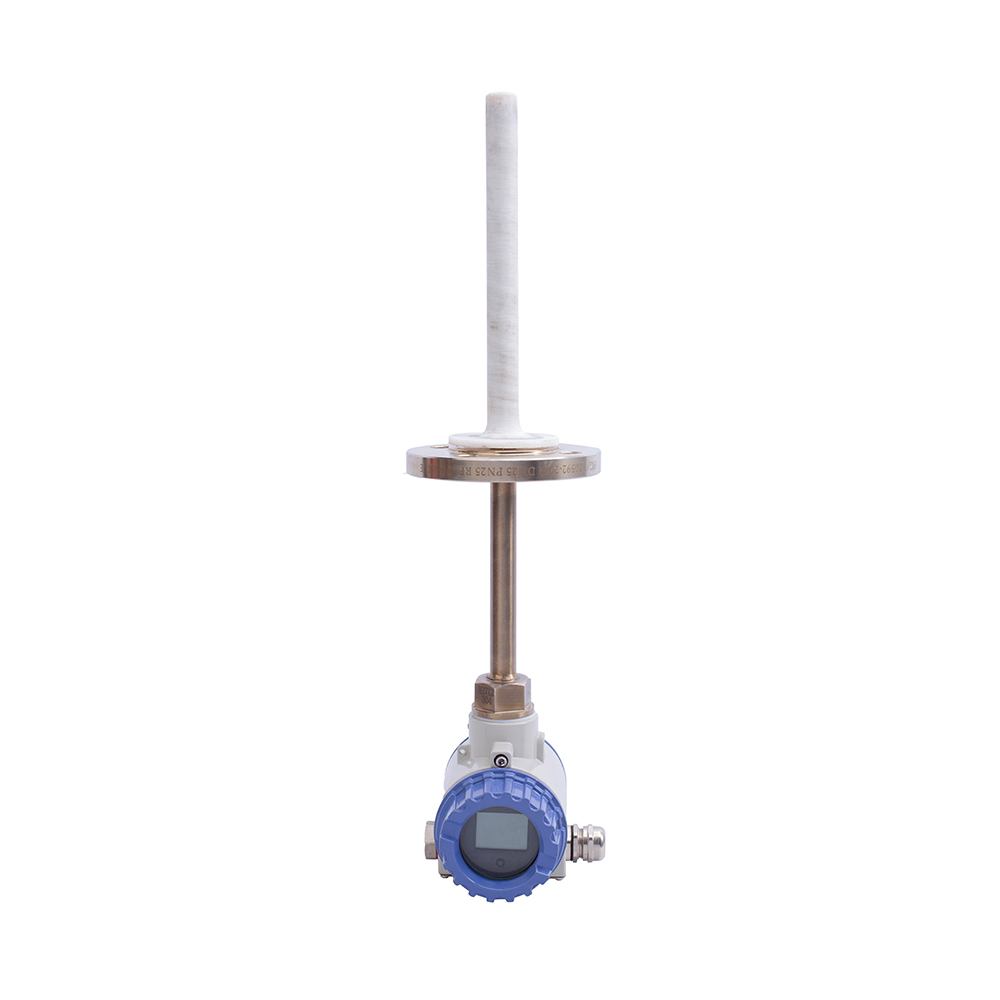
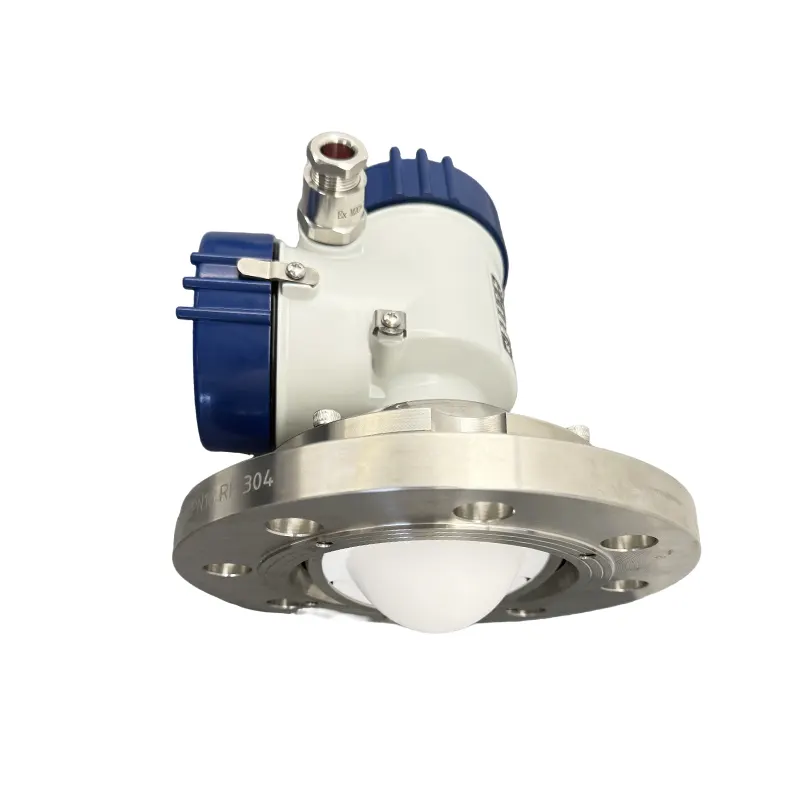
Radar level measurement is particularly effective in furnace and ladle applications. Advanced radar sensors use high-frequency electromagnetic waves to detect the surface of molten metal or slag without being affected by extreme heat, vapor, or dust. With proper cooling systems and heat-resistant antenna designs, radar level gauges maintain accuracy even under severe thermal radiation. Their non-contact nature also minimizes maintenance and avoids contamination risks. In some furnace systems, float or guided wave technologies may be used in protected chambers or indirect measurement configurations. These systems rely on mechanical protection and specialized materials to endure thermal stress. For example, ceramic or refractory-lined protection tubes can isolate sensors from direct contact with molten metal while still allowing accurate level detection. Selecting the right technology depends on furnace design, process temperature, and material characteristics.
Durability is a defining feature of heavy-duty level gauges. Industrial furnaces generate continuous vibration and mechanical shock from charging operations and equipment movement. Robust mechanical design, reinforced housings, and vibration-resistant electronics ensure stable performance over long service periods. Corrosion-resistant materials are also critical, as furnace gases may contain aggressive compounds that can degrade standard metal components. Accurate level monitoring in molten metal processes directly impacts safety. Overfilling a ladle or furnace can lead to spills, equipment damage, and serious hazards to personnel. Underfilling can disrupt production and reduce thermal efficiency. Reliable level gauges provide real-time data to control systems, enabling precise material management and reducing operational risk.
Signal stability is another key consideration. Extreme temperatures and electromagnetic interference from heavy machinery can affect measurement signals. Advanced level gauges incorporate signal filtering, temperature compensation, and shielding to maintain accuracy. Some systems also offer remote electronics, keeping sensitive circuitry away from heat sources and extending instrument lifespan. Integration with automation systems enhances process control. Modern heavy-duty level gauges support digital communication protocols, allowing real-time monitoring, alarms, and data logging. Operators can track level trends, detect abnormal conditions, and perform predictive maintenance, improving operational reliability and reducing downtime.
In conclusion, heavy-duty level gauges are essential tools for molten metal and furnace applications. Through high-temperature resistance, rugged construction, non-contact measurement technologies, and advanced signal processing, these instruments provide the reliable level data required in some of the harshest industrial environments. Their role in ensuring safety, efficiency, and process stability makes them indispensable in modern metallurgical operations.