PT
PT  EN
EN  FR
FR  RU
RU  DE
DE  ES
ES  AR
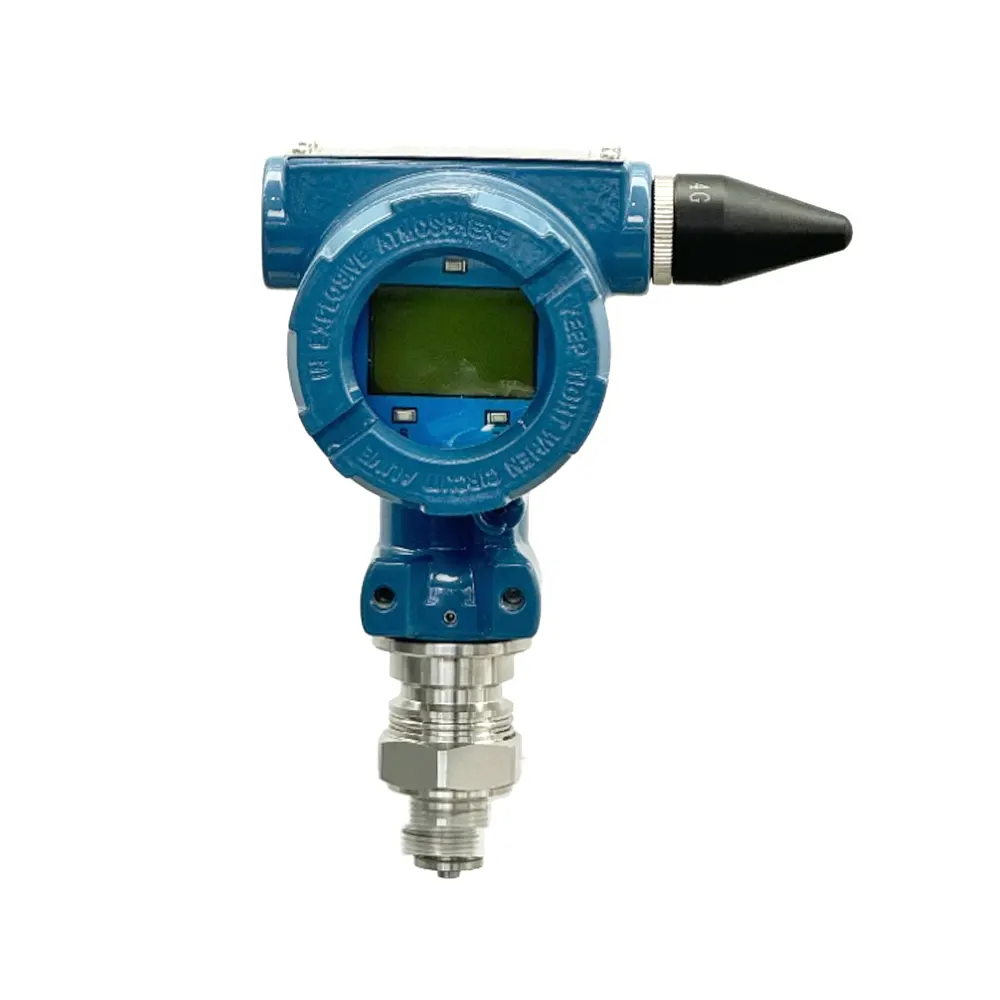
AR Pressure Transmitters for Air Handling Units and Duct Monitoring
In modern HVAC systems, maintaining proper airflow and pressure balance is essential for comfort, energy efficiency, and indoor air quality. Air Handling Units (AHUs) and duct networks form the core of ventilation and climate control systems in commercial buildings, hospitals, cleanrooms, and industrial facilities. Pressure transmitters play a crucial role in monitoring and controlling these systems by providing accurate differential and static pressure measurements that help ensure stable operation. One of the primary applications of pressure transmitters in AHUs is monitoring filter condition. As air filters collect dust and particles, resistance to airflow increases, leading to a higher pressure drop across the filter. Differential pressure transmitters installed before and after the filter continuously measure this pressure difference. When the pressure drop exceeds a set threshold, maintenance teams receive an alert to replace or clean the filter. This not only protects the AHU fan from overload but also ensures consistent air quality and system efficiency.
Pressure transmitters are also vital for airflow control in duct systems. By measuring differential pressure across airflow measurement devices such as pitot tubes or flow grids, transmitters help determine actual air volume. This data is used by building management systems (BMS) to regulate dampers and fan speeds, maintaining the designed airflow rate in different zones. Accurate airflow monitoring ensures balanced ventilation, prevents energy waste, and improves occupant comfort. In variable air volume (VAV) systems, pressure transmitters support dynamic control strategies. Changes in occupancy or environmental conditions require adjustments in airflow distribution. Pressure sensors detect variations in duct pressure and send signals to adjust fan speed or damper position. This responsive control maintains stable static pressure in the duct network while minimizing energy consumption, making the system more efficient and adaptable.
Static pressure monitoring in supply and return ducts is another important function. Excessive duct pressure can cause noise, vibration, and leakage, while insufficient pressure leads to poor air distribution. Pressure transmitters provide real-time data that allows operators to fine-tune system performance. Maintaining proper pressure levels extends equipment life and reduces mechanical stress on ducts and fans. In specialized environments such as hospitals, laboratories, and cleanrooms, pressure control becomes even more critical. Differential pressure transmitters are used to maintain pressure differentials between rooms to control airflow direction and prevent contamination. For example, isolation rooms require negative pressure to prevent airborne pathogens from spreading, while cleanrooms require positive pressure to keep contaminants out. Reliable pressure measurement ensures compliance with health and safety standards. Durability and stability are key requirements for HVAC pressure transmitters. These devices must operate reliably under varying temperatures, humidity levels, and vibration conditions. Modern transmitters designed for air applications offer high sensitivity for low-pressure ranges, excellent long-term stability, and resistance to environmental factors. Features such as temperature compensation and digital signal processing improve measurement accuracy and reduce drift.
Integration with building automation systems enhances overall performance. Pressure transmitters equipped with communication protocols like BACnet, Modbus, or analog outputs enable seamless connection to BMS platforms. This allows centralized monitoring, data logging, and remote diagnostics, supporting predictive maintenance and energy optimization strategies. In conclusion, pressure transmitters are essential components in AHUs and duct monitoring systems. From filter monitoring and airflow control to room pressurization and energy efficiency, these instruments provide the accurate data needed for reliable HVAC performance. Their role in maintaining air quality, comfort, and system longevity makes them indispensable in modern building management and environmental control systems.