PT
PT  EN
EN  FR
FR  RU
RU  DE
DE  ES
ES  AR
AR Using Differential Pressure Transmitters in Reactor and Boiler Applications
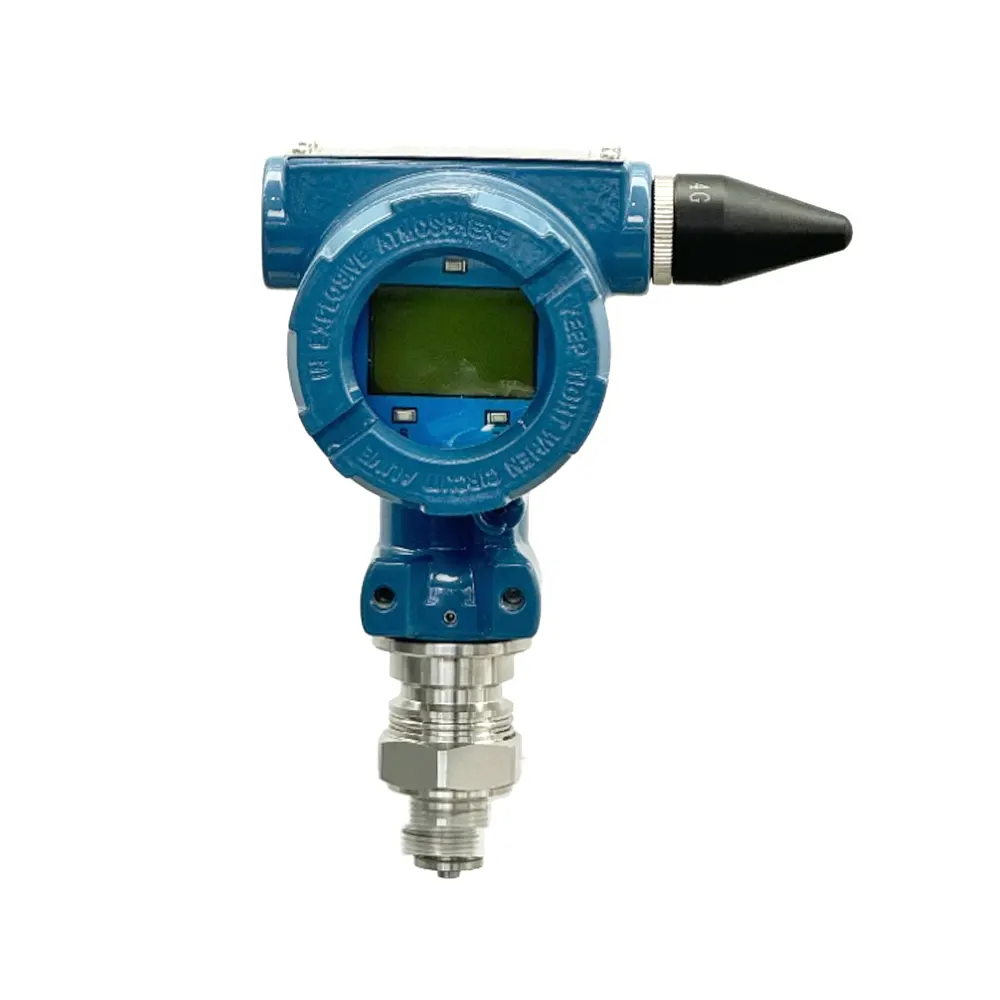
Differential pressure (DP) transmitters play a vital role in reactor and boiler systems, where precise monitoring of pressure differences directly impacts safety, efficiency, and process stability. In these high-demand environments, even small measurement errors can lead to reduced performance, equipment damage, or safety risks. DP transmitters provide accurate, real-time data that helps operators maintain control over flow, level, and pressure conditions in critical industrial processes. In reactor applications, differential pressure transmitters are widely used to monitor internal pressure conditions, filter performance, and fluid levels within sealed vessels. Reactors often operate under high temperatures and pressures, with complex chemical reactions taking place inside. DP transmitters measure the pressure difference between two points, enabling accurate level measurement in pressurized vessels where traditional level gauges may not be effective. This ensures proper reaction control, prevents overflow or dry-run conditions, and maintains consistent product quality.
Another important use of DP transmitters in reactors is monitoring across filters and catalyst beds. As chemical reactions proceed, filters and catalyst layers can become clogged or fouled, increasing pressure drop. A DP transmitter installed across these components provides early warning of blockage or performance degradation. This allows maintenance teams to intervene before efficiency declines or equipment is damaged, reducing downtime and avoiding costly shutdowns. In boiler systems, differential pressure transmitters are essential for steam drum level measurement. Maintaining the correct water level inside a boiler drum is critical for safe operation. Too low a level risks overheating and tube damage, while too high a level can cause water carryover into steam lines. DP transmitters accurately measure the pressure difference between the steam space and water column, enabling precise level monitoring even under high-pressure and high-temperature conditions. This helps maintain stable steam generation and protects boiler integrity.
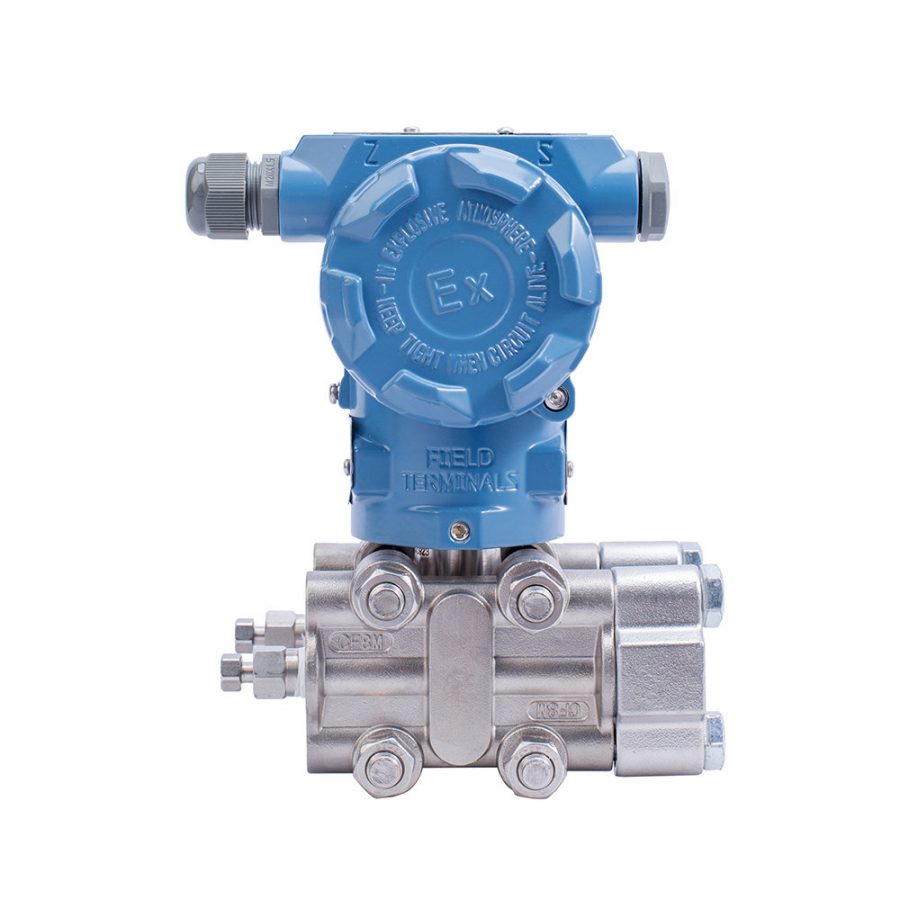
DP transmitters are also used to measure flow in boiler feedwater lines and steam distribution systems. By installing a DP transmitter across primary elements such as orifice plates, venturi tubes, or flow nozzles, operators can calculate flow rate based on pressure drop. This method is reliable and widely accepted in power plants and industrial boilers. Accurate flow data supports efficient fuel use, balanced heat transfer, and optimized energy production. Harsh operating conditions in reactors and boilers demand transmitters with strong durability and stability. High temperatures, vibration, and corrosive media can affect measurement performance if instruments are not properly designed. Modern DP transmitters incorporate temperature compensation, corrosion-resistant materials, and remote diaphragm seals to isolate sensitive components from extreme conditions. These features ensure long-term accuracy and reduce maintenance frequency.
Safety is another key consideration. Reactors and boilers often operate in hazardous or high-risk environments. DP transmitters used in these systems typically meet explosion-proof standards and may be SIL-certified for functional safety applications. Reliable performance in safety instrumented systems helps prevent overpressure events, system failures, and potential accidents. Digital communication and smart diagnostics further enhance the value of DP transmitters. With protocols like HART or MODBUS, operators can access real-time data, perform remote calibration, and monitor device health. This reduces manual inspection needs and supports predictive maintenance strategies, improving plant reliability and operational efficiency.
In summary, differential pressure transmitters are indispensable in reactor and boiler applications. From level measurement and flow monitoring to filter performance and safety control, these instruments provide the accurate data needed to maintain stable operations. Their ability to function reliably in high-temperature, high-pressure, and corrosive environments makes them a cornerstone of modern industrial process control.