FR
FR  EN
EN  RU
RU  DE
DE  ES
ES  PT
PT  AR
AR Understanding K-Factor in Turbine Flow Meter Applications
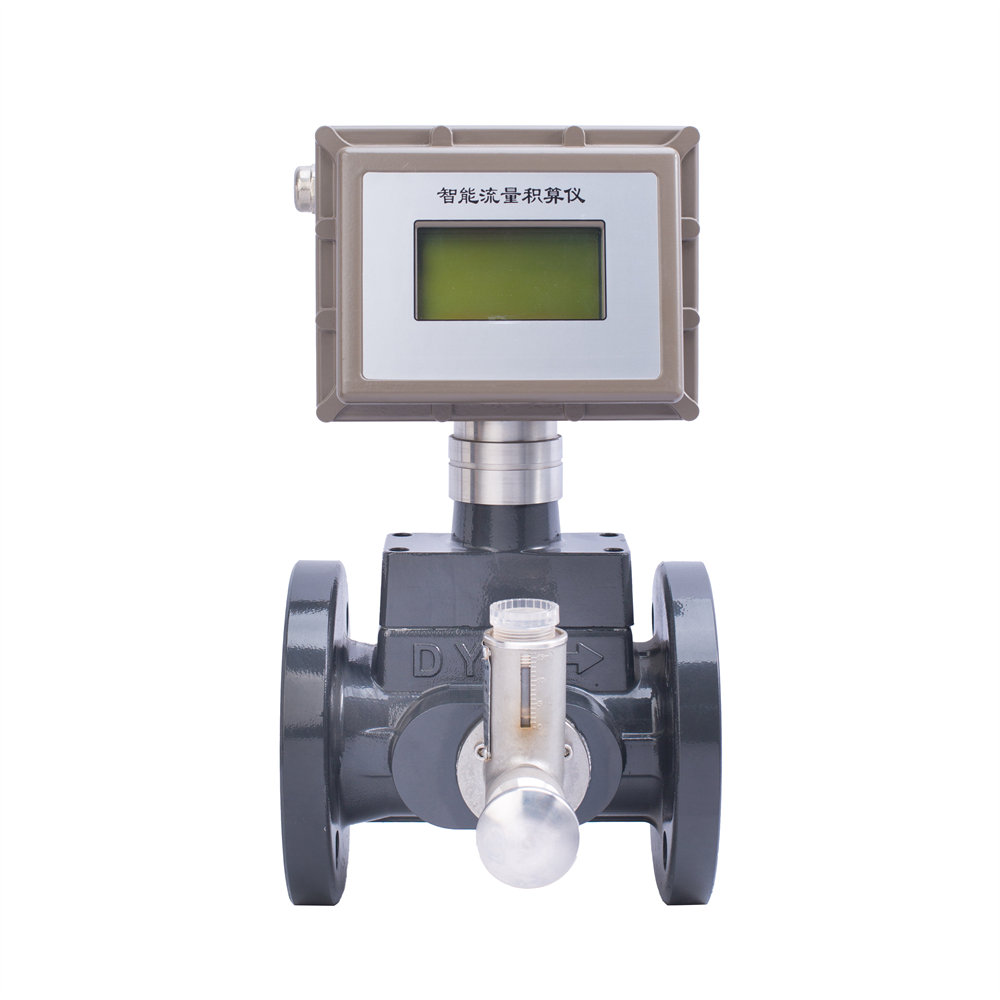
Understanding K-Factor in Turbine Flow Meter Applications is essential for anyone who depends on accurate fluid measurement in industrial processes. The K-factor is the key calibration constant that links the electrical pulses generated by a turbine flow meter to the actual volume of fluid passing through the pipeline. Without it, the pulse signal has no practical measurement meaning. In a turbine flow meter, fluid enters the measuring chamber and flows through a series of angled blades mounted on a rotor. As the liquid moves, it forces the rotor to spin at a speed proportional to the flow rate. A magnetic pickup or sensor detects each rotation and converts it into a series of electrical pulses, which form the basis of flow calculation.
The K-factor is usually defined as the number of pulses per unit volume, such as pulses per liter or pulses per gallon. It is a fixed numerical value under ideal conditions and is used by the flow transmitter or control system to convert pulse frequency into instantaneous flow rate and totalized flow volume in real time. A correct K-factor is critical because even a small deviation can accumulate into large measurement errors over long operating periods. In industries such as fuel distribution, chemical batching, and water treatment, this can lead to significant financial losses, incorrect billing, or inconsistent product quality in downstream processes.
Manufacturers provide a factory-calibrated K-factor based on controlled laboratory testing using standardized fluids and stable conditions. However, real-world applications often differ significantly due to variations in viscosity, temperature fluctuations, and pressure changes, all of which can influence rotor behavior and pulse generation. Field conditions therefore play a major role in measurement accuracy. A turbine flow meter installed in a well-designed pipeline with stable, fully developed flow will closely match its rated K-factor. In contrast, systems exposed to vibration, cavitation, or irregular flow profiles may experience measurable drift in performance.
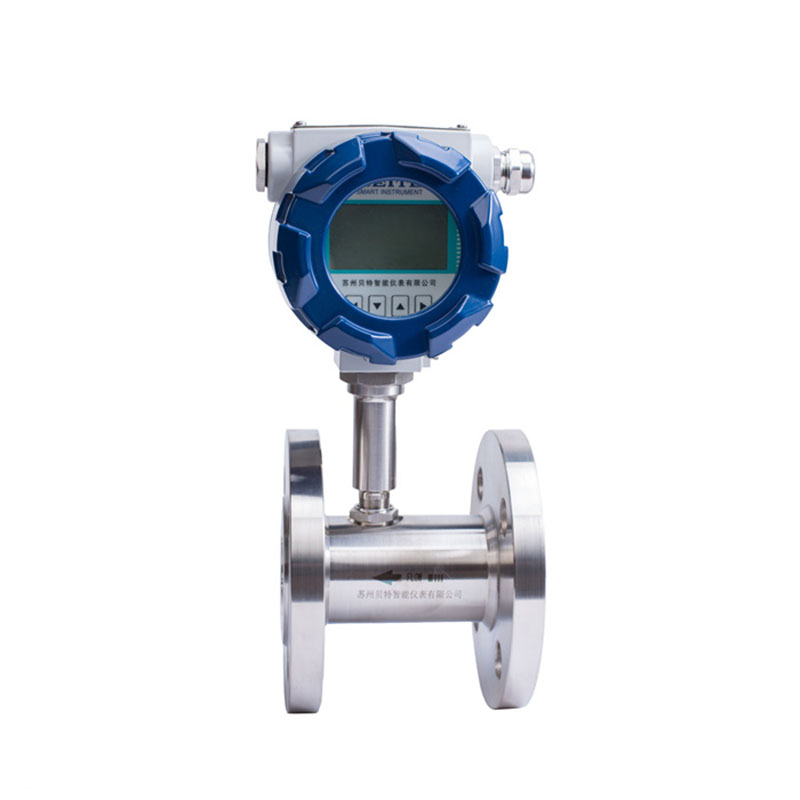
Proper installation is one of the most important factors affecting K-factor stability. Turbine flow meters require sufficient straight pipe lengths upstream and downstream to ensure laminar flow conditions. If installed too close to elbows, pumps, or control valves, turbulence can distort the flow profile and cause inconsistent rotor speed response. Flow velocity also has a direct impact on performance. At low flow rates, the rotor may not overcome mechanical friction smoothly, leading to under-reporting of flow. At excessively high flow rates, mechanical stress increases, potentially accelerating wear and slightly altering the effective K-factor over time.
Mechanical wear is another long-term factor that cannot be ignored. Continuous operation in abrasive or contaminated fluids can gradually degrade rotor blades and bearings. As these components wear, the efficiency of rotation decreases, meaning the original calibration K-factor may no longer reflect actual operating conditions accurately. For this reason, periodic calibration and verification are widely recommended in industrial maintenance programs. By comparing turbine meter output against a reference standard, operators can detect drift in the K-factor and make necessary adjustments to maintain measurement accuracy and system reliability.
Modern digital transmitters and flow computers simplify this process by allowing users to input and update K-factor values directly in the system. Some advanced devices also support multi-point calibration curves, compensating for non-linear behavior across different flow ranges and improving overall measurement precision. In conclusion, the K-factor is the core parameter that determines how accurately a turbine flow meter translates physical fluid movement into usable data. Proper understanding, correct installation, and regular calibration ensure long-term stability, reliable process control, and improved operational efficiency across industries such as oil and gas, chemicals, water management, and energy systems.