FR
FR  EN
EN  RU
RU  DE
DE  ES
ES  PT
PT  AR
AR How Thermal Lag Impacts Industrial Temperature Monitoring
Accurate temperature measurement is essential for maintaining process stability, product quality, and safety in industrial operations. However, one often overlooked factor that can significantly affect measurement accuracy is thermal lag. Thermal lag refers to the delay between an actual change in process temperature and the time it takes for a sensor to detect and reflect that change. In fast-moving or temperature-sensitive processes, this delay can lead to incorrect readings, delayed control responses, and reduced efficiency. Thermal lag occurs because temperature sensors, such as thermocouples and thermal resistors, require time to absorb heat and reach thermal equilibrium with the surrounding medium. The sensor’s mass, material, and protective housing all influence how quickly it responds to temperature changes. A larger or heavily protected sensor typically has greater thermal inertia, which slows its response time. While protective housings are necessary in harsh environments, they can increase the delay in temperature detection.
In industrial processes where temperature changes rapidly—such as chemical reactions, heat exchangers, or combustion systems—thermal lag can create significant control challenges. When a sensor responds slowly, the control system may receive outdated temperature information. As a result, adjustments to heating or cooling systems may be delayed or inaccurate. This can lead to temperature overshoot, inefficient energy use, or inconsistent product quality, particularly in processes requiring tight temperature control. Sensor placement also plays a major role in thermal lag. If a sensor is installed too far from the main process flow or in a poorly mixed area, it may not accurately represent the true process temperature. For example, in pipelines or reactors, placing the sensor near walls or in stagnant zones can increase response time and reduce measurement accuracy. Proper positioning within the active flow area helps minimize lag and ensures more representative readings.
Protective components such as thermowells, while necessary for sensor protection, can further contribute to thermal lag. Thermowells act as barriers between the process medium and the sensing element, slowing down heat transfer. The thickness, material, and design of the thermowell all affect response time. While they protect sensors from corrosion, pressure, and mechanical damage, poorly designed thermowells can significantly delay temperature measurement. To minimize the effects of thermal lag, selecting the appropriate sensor design is crucial. Sensors with smaller mass and faster response characteristics are better suited for dynamic processes. For example, exposed junction thermocouples or thin-film temperature sensors can respond more quickly than heavily shielded alternatives. In applications where protection is required, using optimized thermowell designs with thinner walls or high thermal conductivity materials can help balance durability and response speed.
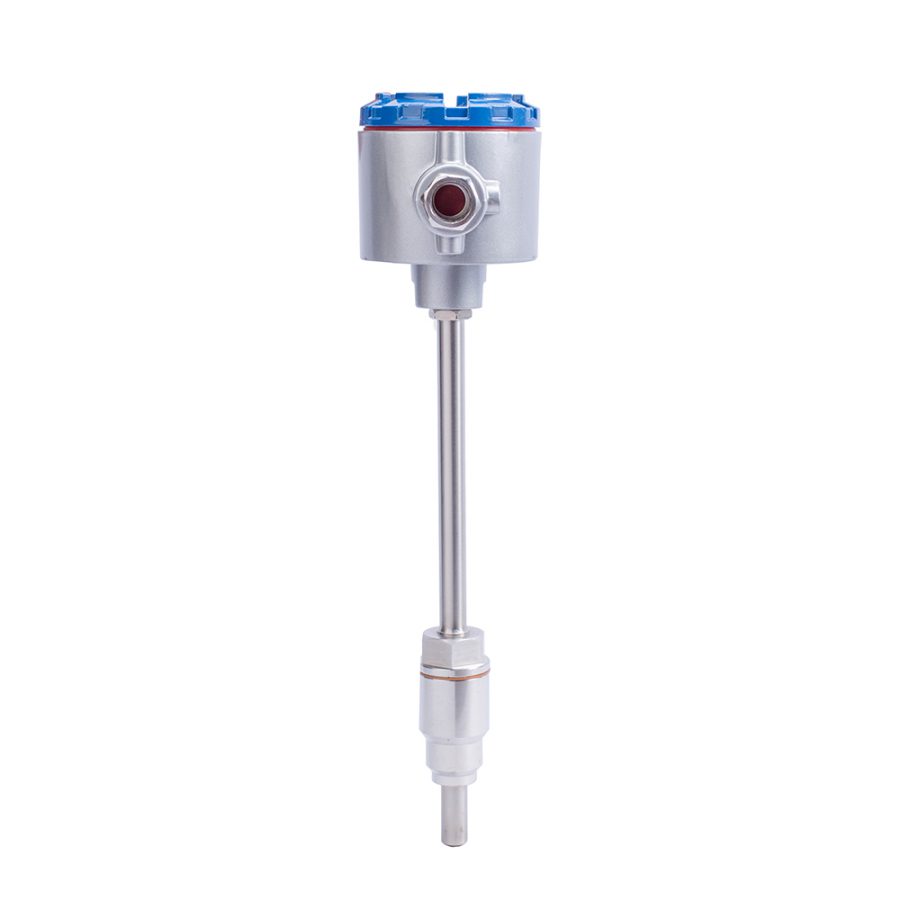
Improving installation practices is another effective way to reduce thermal lag. Ensuring proper sensor immersion depth, positioning the sensor directly in the flow stream, and avoiding stagnant zones can significantly improve response time. In mixing or turbulent systems, placing sensors where fluid movement is strongest helps achieve faster and more accurate temperature detection. Advanced control strategies and signal processing can also help compensate for thermal lag. Some modern control systems use predictive algorithms to estimate actual process temperature based on sensor trends and known system behavior. These techniques allow faster response to temperature changes even when physical sensor limitations exist. Additionally, using multiple sensors at different locations can provide a more comprehensive view of temperature distribution and reduce the impact of lag in any single measurement point.
Regular maintenance and calibration ensure that sensors continue to perform as expected. Over time, fouling, corrosion, or mechanical wear can further slow sensor response. Periodic inspection and cleaning help maintain optimal thermal transfer between the process and the sensor, reducing additional lag effects. Thermal lag is an inherent challenge in industrial temperature measurement, but it can be effectively managed through proper sensor selection, installation, and system design. By understanding and minimizing thermal lag, industries can improve measurement accuracy, enhance process control, and maintain consistent product quality in even the most demanding applications.