FR
FR  EN
EN  RU
RU  DE
DE  ES
ES  PT
PT  AR
AR Pressure Pulsation: How It Impacts Measurement and How Transmitters Compensate
Pressure pulsation is a common phenomenon in many industrial processes, especially in systems that involve pumps, compressors, reciprocating machinery, or rapidly changing flow conditions. Unlike steady pressure, pulsating pressure fluctuates rapidly over short periods of time, creating waves or spikes within pipelines and process equipment. These fluctuations can significantly affect the accuracy and stability of pressure measurement instruments if not properly managed. Understanding how pressure pulsation impacts measurement and how modern transmitters compensate for it is essential for maintaining reliable process control. In industrial pipelines, pressure pulsation often originates from mechanical equipment such as reciprocating pumps, piston compressors, or positive displacement pumps. These machines generate periodic pressure changes as they operate, creating waves that travel through the process fluid. In some cases, sudden valve operations or turbulent flow patterns may also produce pressure oscillations. These fluctuations are not always part of the actual process condition but rather mechanical effects generated by equipment movement.
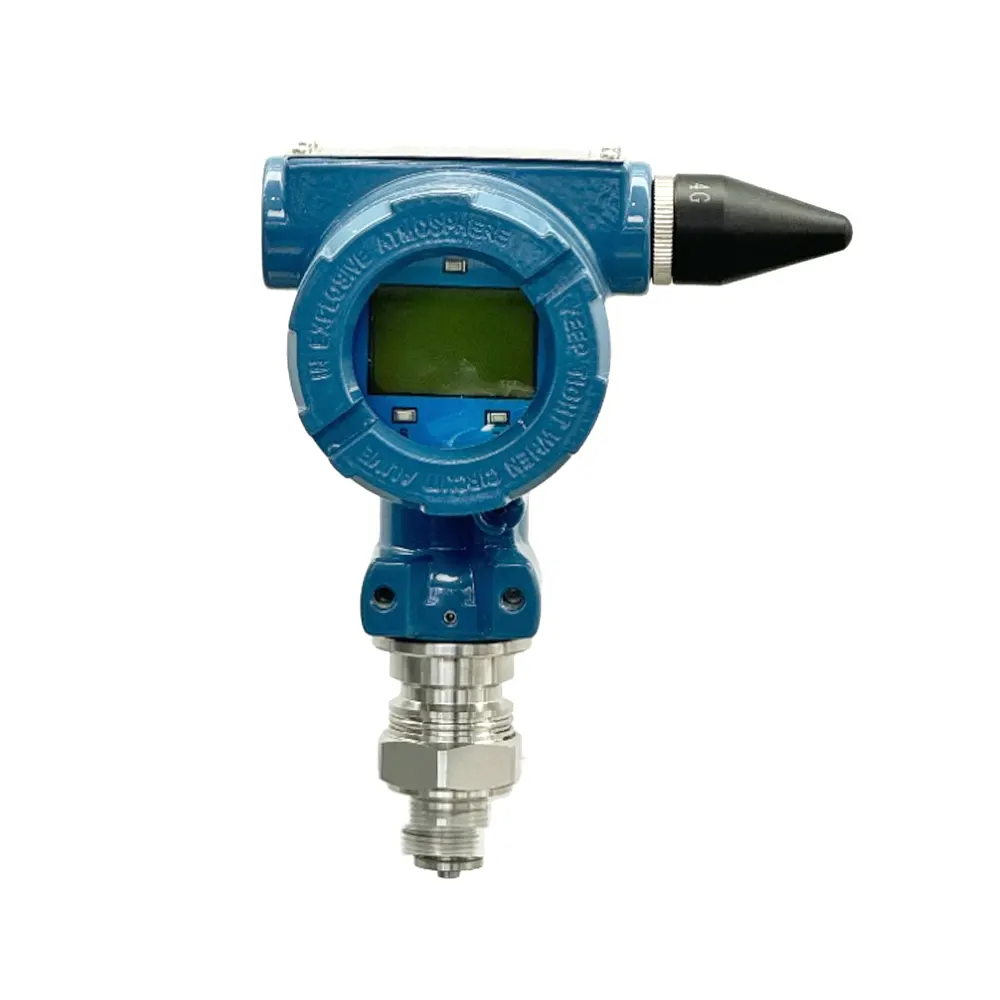
When pressure transmitters are exposed to pulsating conditions, the sensor may interpret each fluctuation as a real pressure change. As a result, the transmitter output signal may oscillate rapidly, producing unstable readings. This instability can create difficulties for control systems that rely on steady pressure values to regulate processes. Control loops may respond to these fluctuations by making unnecessary adjustments, potentially leading to inefficient operation or process instability. Pressure pulsation can also cause mechanical stress on the sensing elements of transmitters. Repeated pressure spikes may accelerate wear on diaphragms or sensing components, reducing the lifespan of the instrument. Over time, continuous pulsation can lead to calibration drift or measurement inaccuracy. In severe cases, excessive pulsation may even damage the sensor if protective measures are not implemented.
To address these challenges, modern pressure transmitters incorporate several design features that help compensate for pulsation effects. One of the most common methods is the use of built-in signal damping or digital filtering. These electronic filters smooth out rapid pressure fluctuations by averaging the signal over a short period of time. This allows the transmitter to provide a stable output that reflects the true process pressure rather than transient spikes caused by mechanical vibration or pulsation. Another effective approach is the use of mechanical dampening devices in the installation setup. Accessories such as snubbers, pulsation dampeners, and capillary lines can reduce the intensity of pressure spikes before they reach the transmitter. These components absorb or slow down pressure waves within the pipeline, protecting the sensor from excessive fluctuations. Proper installation of these devices significantly improves measurement stability and instrument longevity.
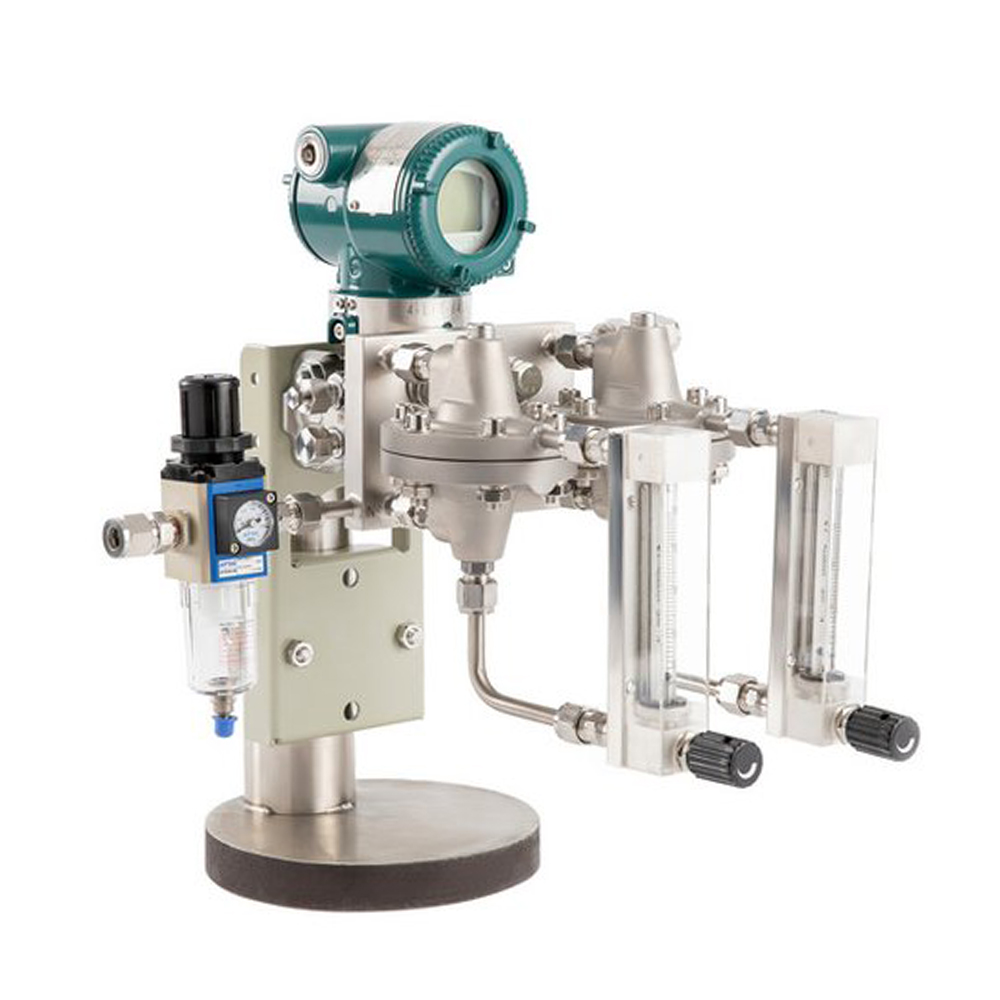
Impulse lines and remote mounting configurations are also widely used to reduce the impact of pulsation. By installing transmitters slightly away from the main vibration source or using impulse tubing, pressure fluctuations can be partially dissipated before reaching the sensing element. This installation technique is particularly useful in applications involving reciprocating compressors or high-speed pumps where pulsation levels are high. Advanced smart transmitters further enhance pulsation compensation through intelligent diagnostics and adaptive filtering. These devices can analyze pressure patterns and distinguish between genuine process changes and repetitive pulsation signals. Some systems allow users to adjust damping settings based on specific process conditions, enabling operators to optimize measurement stability without losing sensitivity to actual pressure variations.
Proper instrument selection is equally important when dealing with pulsating environments. Transmitters designed for industrial process applications often include reinforced diaphragms, robust sensor technology, and improved vibration resistance. Choosing the correct pressure range and response characteristics ensures that the transmitter can withstand rapid fluctuations while still delivering accurate measurements. Regular maintenance and system monitoring also contribute to reliable performance. Checking impulse lines, dampeners, and installation hardware ensures that pulsation control components continue to function effectively. Calibration verification helps confirm that repeated pressure cycles have not affected sensor accuracy. Early detection of wear or installation issues helps maintain measurement reliability over long periods of operation.
Pressure pulsation is a natural part of many industrial processes, but it does not have to compromise measurement accuracy. Through a combination of advanced transmitter technology, proper installation practices, and effective dampening techniques, industries can successfully minimize pulsation effects. Stable and accurate pressure measurement ensures reliable control performance, protects instrumentation, and supports efficient operation across a wide range of industrial applications.