FR
FR  EN
EN  RU
RU  DE
DE  ES
ES  PT
PT  AR
AR How IIoT-Enabled Sensors Improve Maintenance Planning
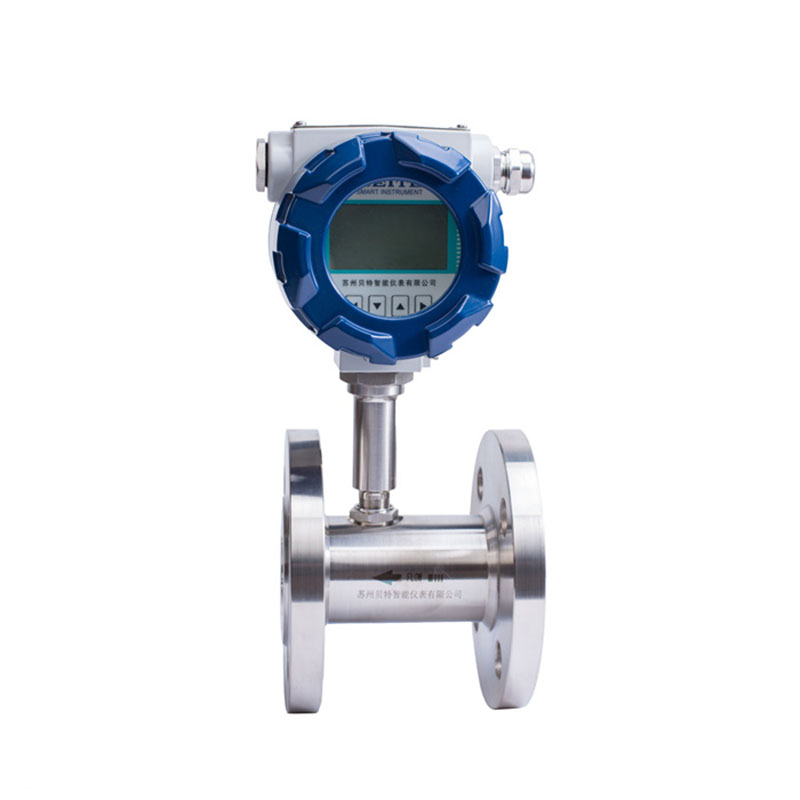
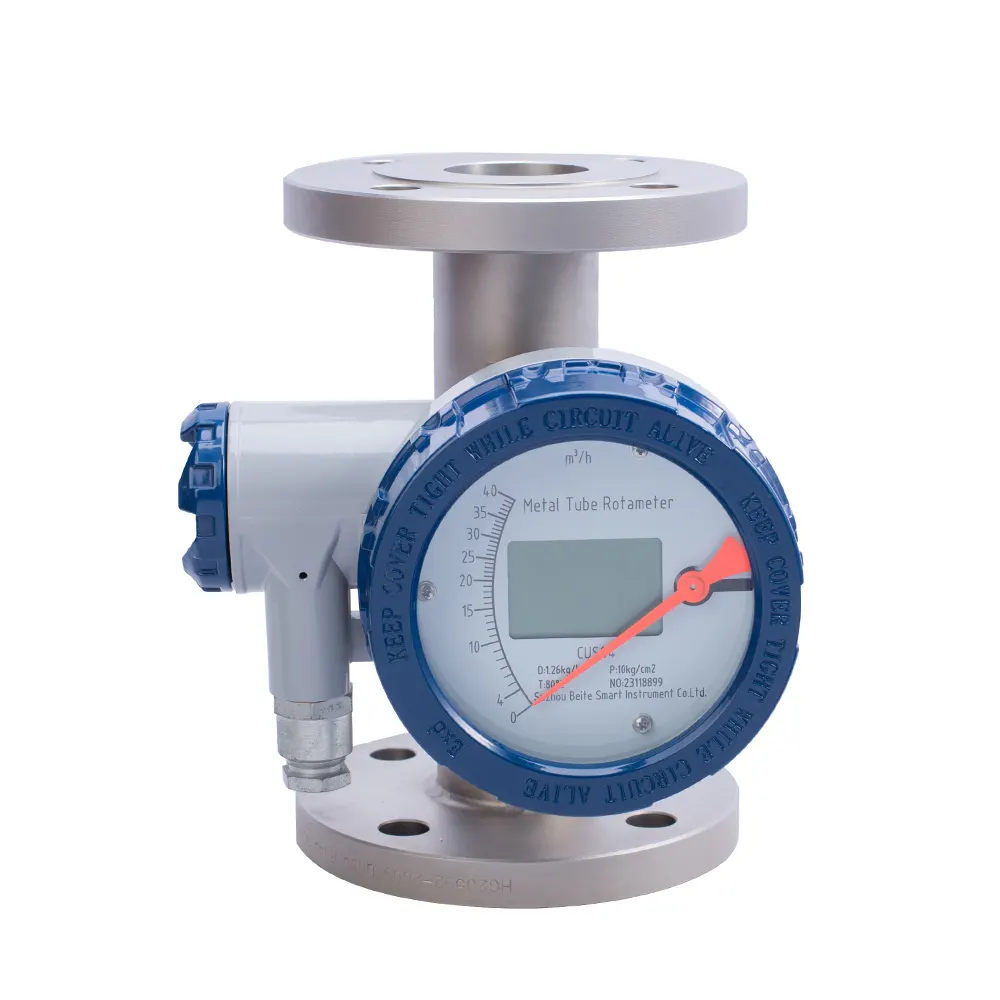
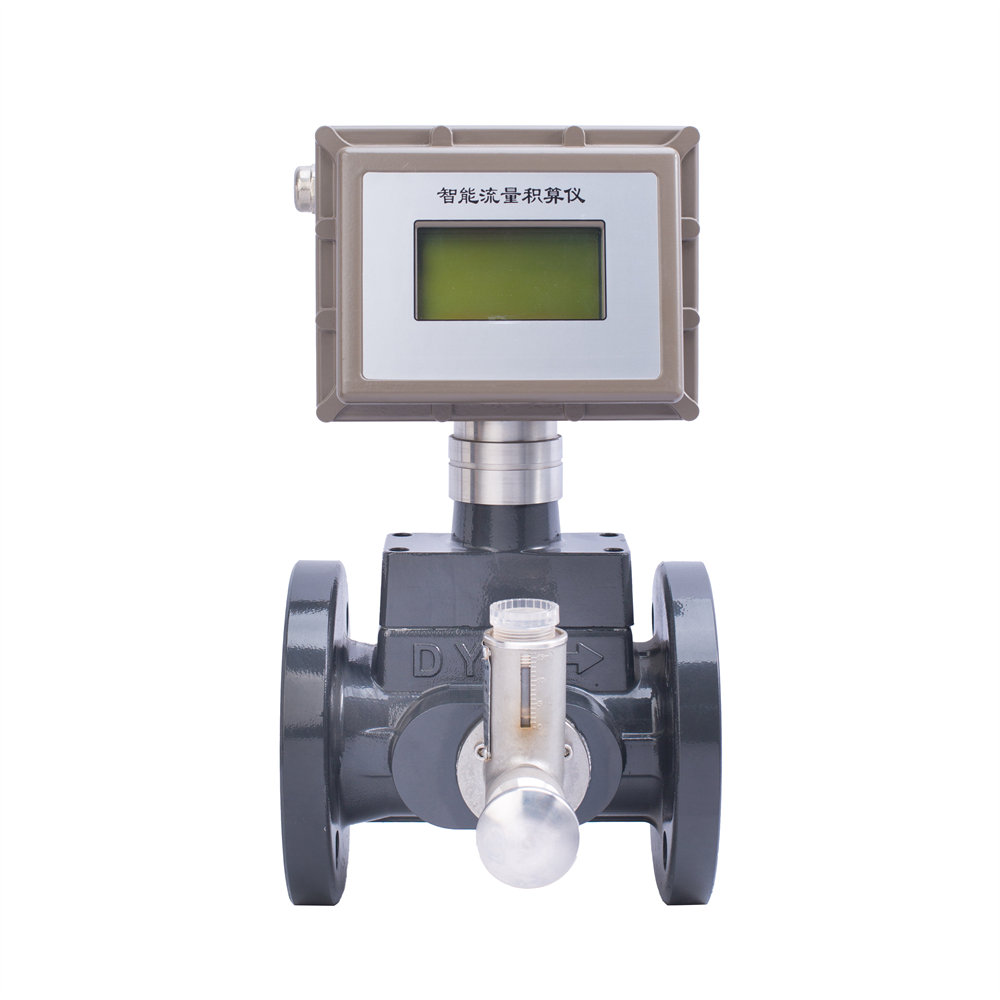
In modern industrial operations, maintenance planning has evolved far beyond routine inspections and emergency repairs. Traditional maintenance strategies often relied on reactive approaches, where equipment was repaired only after failure, or preventive methods based on fixed schedules. While these approaches helped reduce catastrophic breakdowns, they frequently resulted in either unnecessary maintenance costs or unexpected downtime. The emergence of IIoT-enabled sensors has fundamentally changed this landscape by introducing intelligent, data-driven maintenance planning that improves reliability, efficiency, and cost control. IIoT-enabled sensors continuously collect real-time data from industrial equipment, including parameters such as pressure, temperature, flow rate, vibration, and level. Unlike conventional analog instruments, these smart devices are equipped with digital communication capabilities and advanced diagnostics. They not only measure process variables but also monitor their own health status. This continuous stream of accurate operational data allows maintenance teams to detect performance deviations long before they escalate into serious failures.
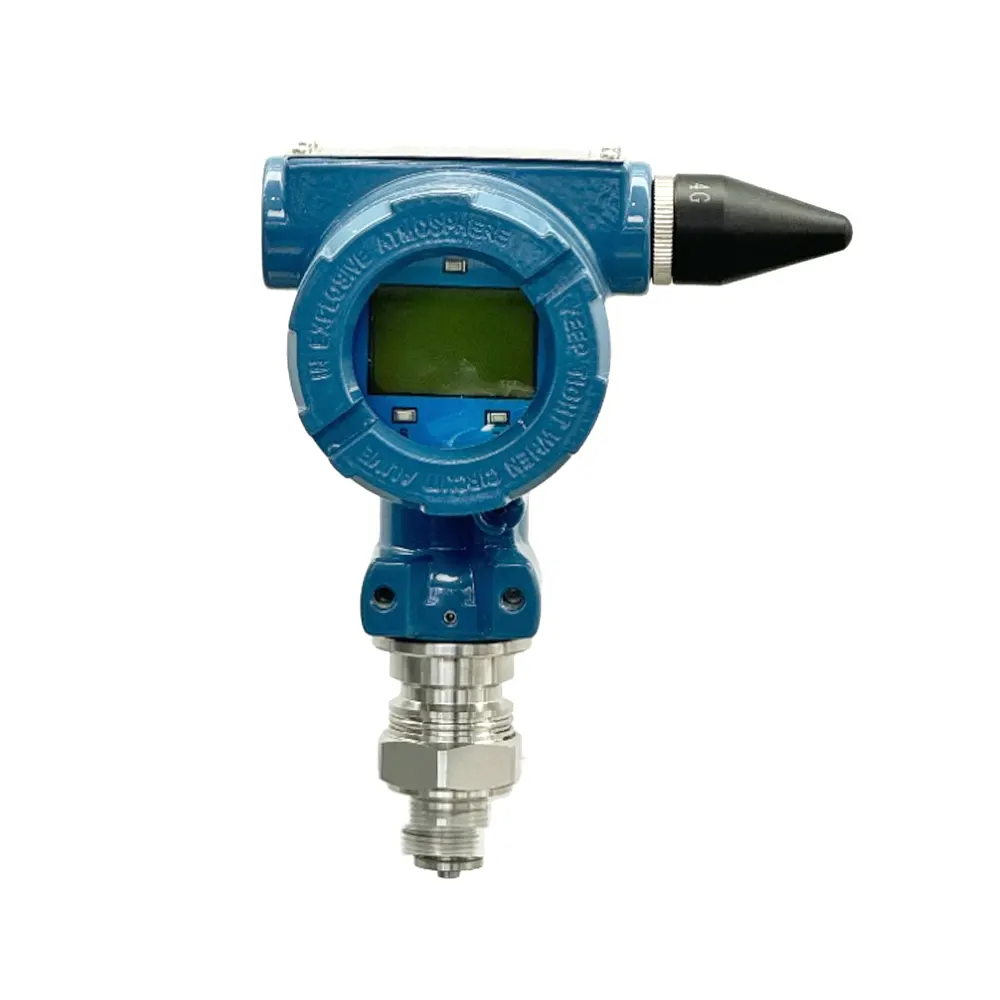
One of the most significant advantages of IIoT-enabled sensors is their ability to support predictive maintenance strategies. Instead of servicing equipment at predetermined intervals, maintenance can now be scheduled based on actual operating conditions. For example, if a pressure transmitter begins to show gradual drift or irregular fluctuations, engineers can identify potential diaphragm wear or internal component fatigue. Similarly, abnormal vibration patterns in rotating equipment can indicate bearing deterioration. By addressing these issues early, companies prevent unexpected shutdowns and reduce the risk of costly emergency repairs. Real-time condition monitoring also enhances visibility across industrial facilities. Maintenance managers can access live performance data from centralized control rooms or remote dashboards. This eliminates the need for frequent manual inspections and allows for quicker decision-making. Automated alerts notify personnel when operating parameters exceed safe thresholds, enabling immediate corrective action. Historical trend analysis further supports maintenance planning by revealing gradual performance degradation over time, helping teams determine the optimal moment for intervention.

Another major benefit lies in resource optimization. Data-driven maintenance planning enables better allocation of manpower, spare parts, and financial resources. Instead of replacing components that are still functioning properly, organizations can focus efforts on equipment that truly requires attention. This approach reduces spare parts inventory costs and minimizes unnecessary labor hours. At the same time, critical assets receive timely maintenance, extending their operational lifespan and improving overall equipment effectiveness. IIoT-enabled sensors also contribute significantly to safety and regulatory compliance. In high-risk industries such as oil and gas, chemical processing, and power generation, equipment failure can lead to severe safety hazards and environmental damage. Continuous monitoring of pressure surges, temperature spikes, or abnormal flow patterns allows early detection of unsafe conditions. Maintenance teams can intervene before situations escalate, ensuring safe operations and adherence to industry standards. This proactive approach strengthens both workplace safety and corporate reputation.
The integration of IIoT sensor data with computerized maintenance management systems (CMMS) and enterprise resource planning (ERP) platforms further enhances planning accuracy. By combining operational data with maintenance records, companies can analyze failure patterns and predict future maintenance needs more precisely. Advanced analytics and machine learning models refine predictions over time, enabling more accurate budgeting and long-term asset management strategies. This holistic view transforms maintenance from a cost center into a strategic function that supports business performance. Reduced downtime is one of the most immediate financial benefits of IIoT-enabled maintenance planning. Unplanned production stoppages can result in significant revenue loss, delayed deliveries, and customer dissatisfaction. By identifying potential issues before breakdown occurs, companies maintain higher production continuity and operational stability. Increased equipment availability directly improves productivity and profitability, delivering a strong return on investment for smart sensor implementation.
As industries continue moving toward digital transformation and smart manufacturing, IIoT-enabled sensors play a foundational role in building intelligent maintenance ecosystems. They provide the real-time insights and predictive capabilities necessary to operate complex systems efficiently and reliably. By shifting from reactive repair to proactive planning, organizations gain better control over their assets, reduce operational risks, and enhance long-term competitiveness in an increasingly demanding industrial environment.