DE
DE  EN
EN  FR
FR  RU
RU  ES
ES  PT
PT  AR
AR Protecting Temperature Sensors in Corrosive and High-Moisture Environments
Temperature sensors are widely used in industrial processes to ensure safe operation, product quality, and efficient control. However, in environments where corrosive chemicals, high humidity, or constant moisture are present, these sensors face significant risks. Exposure to aggressive substances and moisture can degrade sensor materials, damage electrical components, and reduce measurement accuracy over time. Protecting temperature sensors in such conditions is essential for maintaining reliability and extending service life. Corrosive environments are commonly found in industries such as chemical processing, wastewater treatment, marine applications, and food production. In these settings, sensors may be exposed to acids, alkalis, salts, or reactive gases that can attack metal surfaces and weaken structural integrity. Over time, corrosion can lead to sensor failure, inaccurate readings, or even complete system shutdown. Selecting corrosion-resistant materials is the first step in preventing these issues. Stainless steel alloys, high-grade coatings, and specialized materials such as PTFE or Hastelloy are often used to protect sensors from chemical attack.
High-moisture environments introduce additional challenges. Water ingress can damage internal electronics, cause short circuits, and reduce insulation resistance. Condensation, especially in environments with fluctuating temperatures, can accumulate inside sensor housings and affect performance. To prevent moisture-related damage, sensors must have proper sealing and high ingress protection (IP) ratings. Devices designed for harsh environments typically feature hermetically sealed housings that prevent water and humidity from entering sensitive components. Protective components such as thermowells play a critical role in shielding temperature sensors from direct exposure to corrosive media. A thermowell acts as a barrier between the process and the sensing element, allowing the sensor to measure temperature without direct contact with aggressive substances. By selecting the appropriate thermowell material and design, industries can significantly extend sensor lifespan while maintaining measurement accuracy. However, it is important to balance protection with response time, as thicker or less conductive thermowells may introduce thermal lag.
Coatings and surface treatments further enhance sensor durability. Anti-corrosion coatings, chemical-resistant linings, and moisture-repellent finishes can provide an additional layer of protection. In environments with high humidity or frequent washdowns, using sensors with waterproof connectors and sealed cable entries helps prevent moisture penetration. Proper cable selection and routing are also important to avoid water accumulation or damage over time. Installation practices greatly influence sensor performance in harsh conditions. Sensors should be mounted in positions that minimize direct exposure to corrosive splashes or excessive moisture whenever possible. Proper drainage and ventilation around the installation point help reduce condensation buildup. In some cases, protective enclosures or shields can be used to isolate sensors from the most aggressive environmental factors while still allowing accurate measurement.
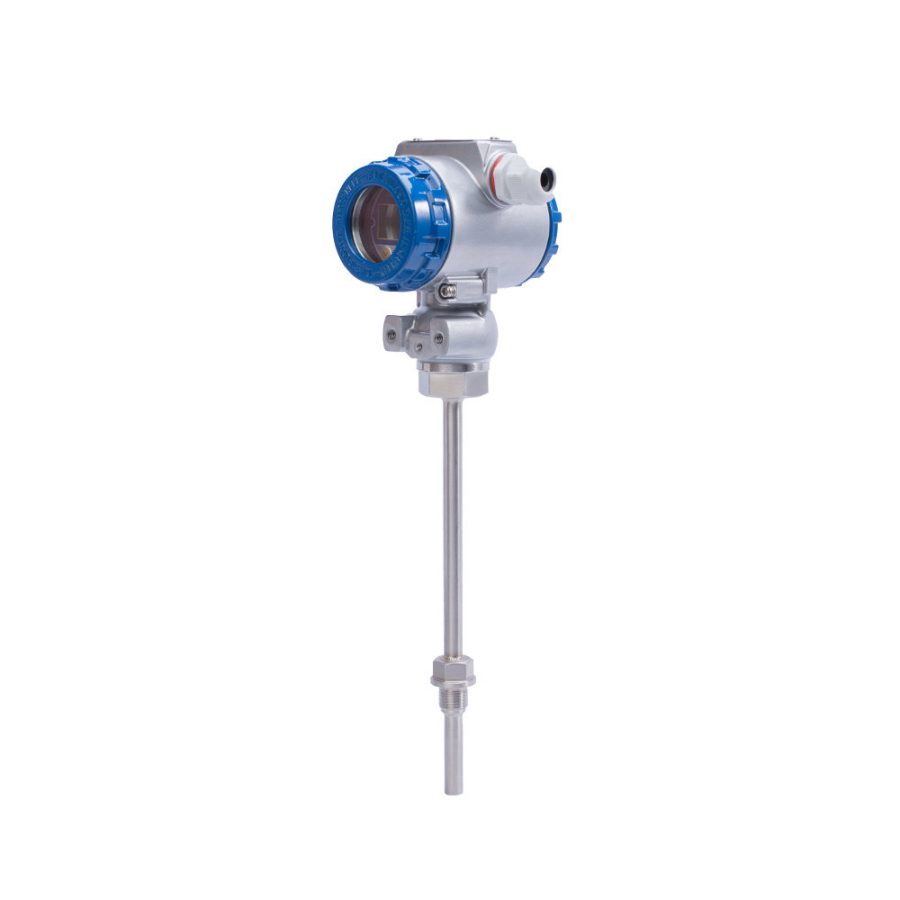
Regular maintenance and inspection are essential for long-term reliability. Even with protective measures in place, harsh environments can gradually degrade materials and seals. Periodic checks for signs of corrosion, moisture ingress, or coating damage allow early detection of potential issues. Cleaning sensor surfaces and verifying calibration ensure that measurement accuracy is maintained over time. Advanced sensor designs and smart diagnostics also contribute to improved protection. Modern temperature transmitters can detect abnormal conditions such as moisture intrusion, signal instability, or sensor degradation. These diagnostic features provide early warnings, enabling maintenance teams to take corrective action before failure occurs. Integration with monitoring systems further enhances reliability by providing continuous visibility into sensor performance.
Material compatibility with the process medium is another critical factor. Selecting sensors and protective components that are specifically designed for the chemicals or environmental conditions involved ensures long-term stability. Consulting compatibility charts and industry standards helps avoid premature failure caused by material mismatch. In conclusion, protecting temperature sensors in corrosive and high-moisture environments requires a comprehensive approach that includes proper material selection, robust sealing, protective components, and correct installation practices. By combining these strategies with regular maintenance and advanced diagnostics, industries can ensure accurate temperature measurement, extend sensor lifespan, and maintain reliable operation even in the most challenging conditions.