DE
DE  EN
EN  FR
FR  RU
RU  ES
ES  PT
PT  AR
AR How Signal Noise Affects Industrial Sensors and Ways to Improve Accuracy
Industrial sensors are the backbone of modern automation and process control, converting physical parameters such as pressure, flow, temperature, and level into usable electrical signals. However, signal noise—unwanted disturbances superimposed on these signals—can significantly degrade measurement accuracy and system reliability. Understanding how signal noise affects industrial sensors and applying effective mitigation strategies is essential for stable and precise industrial measurement. Signal noise impacts sensors primarily by distorting the true measurement signal. When noise levels are high, the sensor output fluctuates, making it difficult for control systems to distinguish between actual process changes and false variations. This can lead to unstable control loops, incorrect alarms, and inefficient process adjustments. In severe cases, noise can mask critical process deviations, increasing the risk of equipment damage or safety incidents.
One common source of noise is electromagnetic interference (EMI) generated by motors, variable frequency drives (VFDs), welding equipment, and high-power electrical lines. These sources emit electromagnetic fields that can couple into sensor cables and electronics, introducing unwanted voltage or current fluctuations. Sensors installed in close proximity to such equipment are particularly vulnerable if proper shielding and grounding are not in place. Ground loops are another frequent cause of signal noise. When a sensor and control system are grounded at multiple points with different electrical potentials, circulating currents can flow through signal lines, distorting sensor outputs. Ground loops often produce low-frequency noise that appears as drifting or oscillating readings, especially in analog measurement systems.
Environmental factors also contribute to noise-related accuracy issues. Temperature fluctuations can alter electronic component behavior, while humidity and moisture ingress can degrade insulation resistance and create leakage currents. Over time, these conditions increase susceptibility to noise and reduce signal stability. Industrial environments with vibration and mechanical stress can further worsen noise effects by loosening connections or damaging cables. To improve accuracy, one of the most effective strategies is proper cable management and shielding. Using shielded twisted-pair cables reduces susceptibility to EMI by canceling induced noise. The cable shield should be grounded correctly—typically at one end—to prevent ground loops while still providing effective noise suppression. Separating sensor cables from power lines and high-current conductors also minimizes electromagnetic coupling.
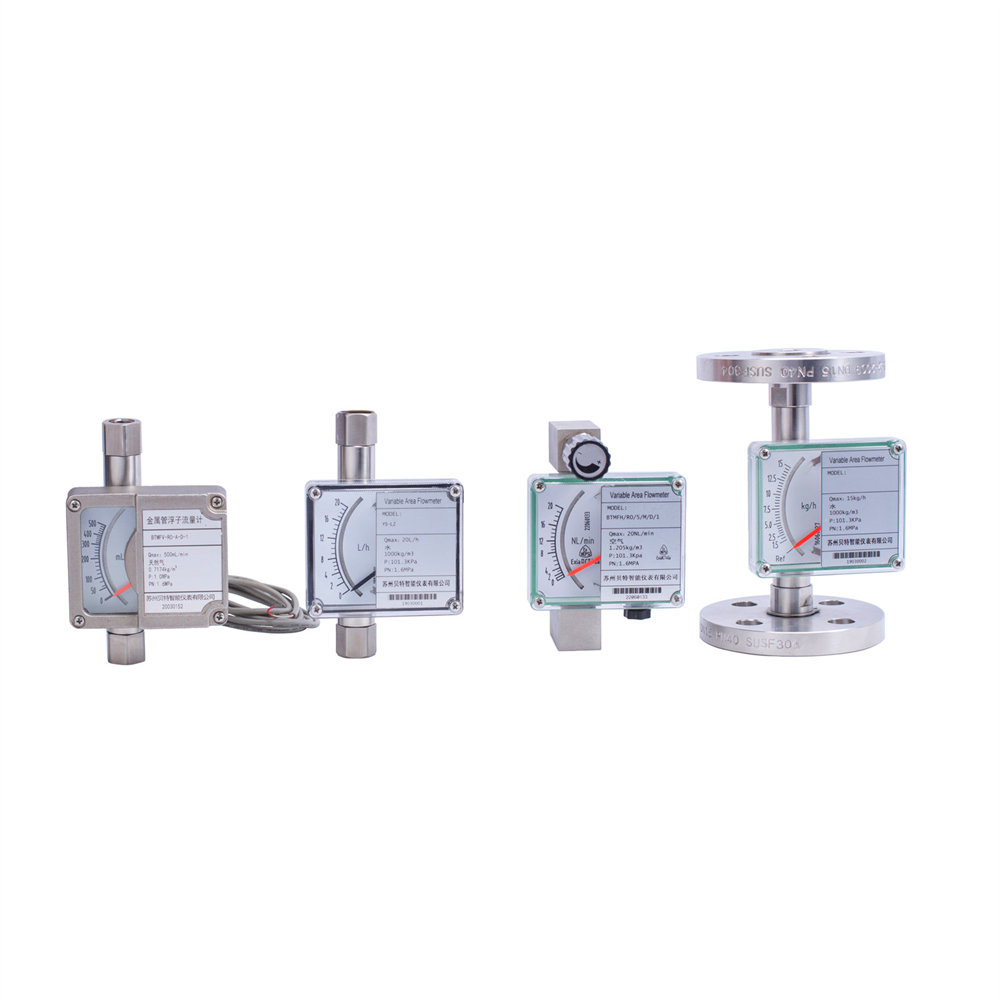
Signal conditioning and filtering play a crucial role in noise reduction. Low-pass filters can remove high-frequency noise, while digital signal processing algorithms smooth sensor outputs without sacrificing responsiveness. In analog systems, isolators and amplifiers improve signal integrity by matching impedance and breaking ground loops. Adopting digital communication protocols such as HART, Modbus, Profibus, or Foundation Fieldbus further enhances noise immunity. Digital signals are less sensitive to voltage fluctuations and interference compared to traditional analog signals. Error detection and correction mechanisms built into these protocols ensure reliable data transmission even in electrically noisy environments.
Proper grounding and bonding practices are essential for long-term noise control. Establishing a single-point grounding system, ensuring low-resistance earth connections, and regularly inspecting grounding integrity help prevent noise caused by potential differences. In hazardous or high-interference areas, intrinsic safety barriers and galvanic isolators provide additional protection. Finally, sensor selection and installation quality significantly influence noise susceptibility. Sensors designed for industrial environments typically include robust internal shielding, temperature compensation, and noise-resistant electronics. Installing sensors according to manufacturer guidelines, ensuring tight and corrosion-free connections, and conducting periodic inspections all contribute to improved accuracy.
In summary, signal noise can severely affect industrial sensor performance by distorting measurements and reducing control reliability. By understanding noise sources and applying comprehensive mitigation measures—including shielding, grounding, filtering, digital communication, and proper installation—industries can significantly enhance sensor accuracy and ensure stable, dependable process measurement.