DE
DE  EN
EN  FR
FR  RU
RU  ES
ES  PT
PT  AR
AR Flow and Pressure Monitoring in Hydrogen Production and Storage Systems
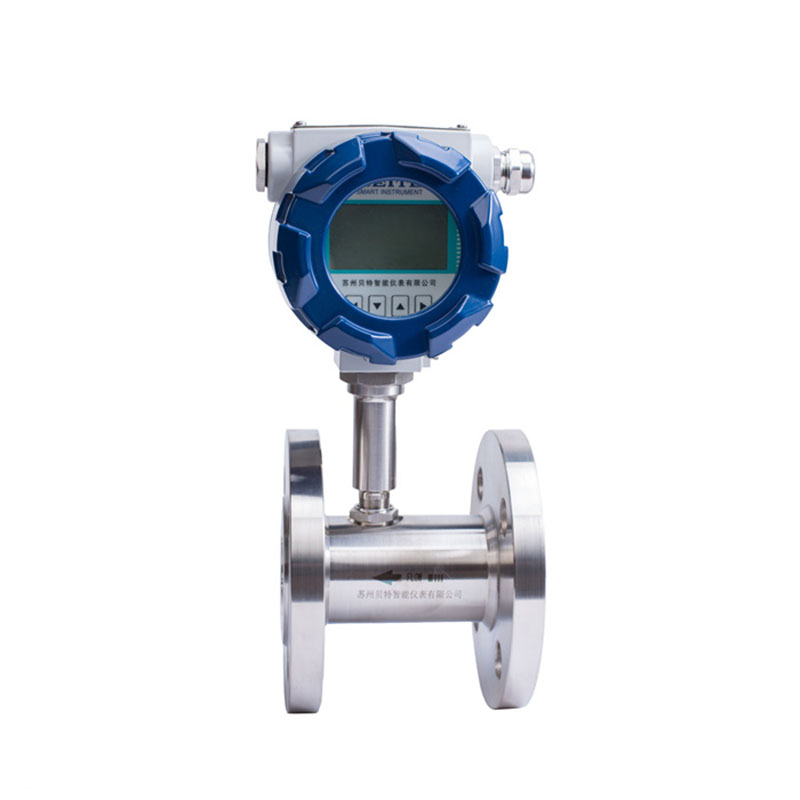
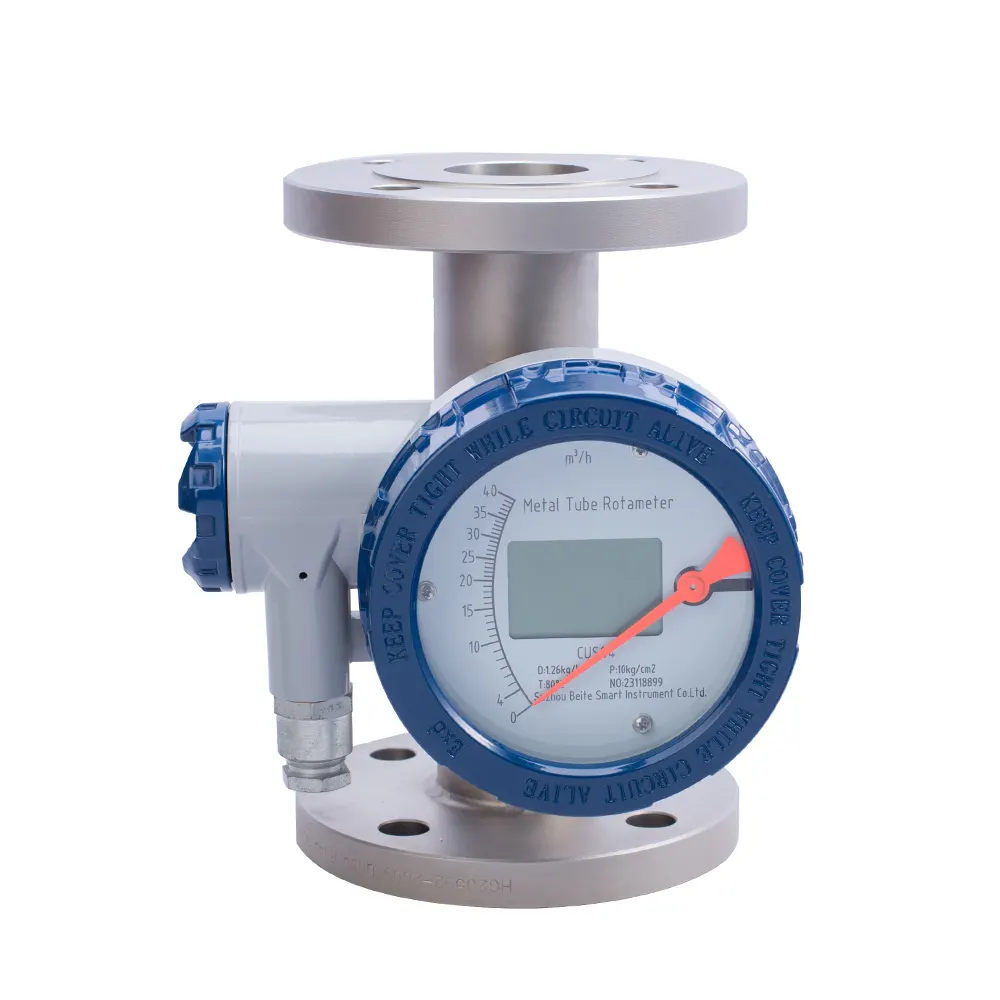
The global transition toward clean energy has accelerated the development of hydrogen production and storage systems. As hydrogen becomes a key component in decarbonization strategies, ensuring safety, efficiency, and reliability in these systems is critically important. Flow and pressure monitoring play a central role in maintaining stable hydrogen generation, compression, transportation, and storage processes. Accurate instrumentation not only improves operational efficiency but also safeguards facilities against potential hazards associated with hydrogen’s unique physical properties. Hydrogen production methods such as electrolysis, steam methane reforming (SMR), and emerging green hydrogen technologies require precise control of gas flow and pressure. In electrolysis systems, maintaining accurate water feed flow and monitoring hydrogen and oxygen output flow are essential to ensure stable reaction efficiency. Flow meters help operators balance production rates, optimize energy consumption, and detect process abnormalities early. Even slight deviations in flow can indicate membrane issues, leakage, or efficiency loss, which, if left unaddressed, may impact output quality and increase operational costs.
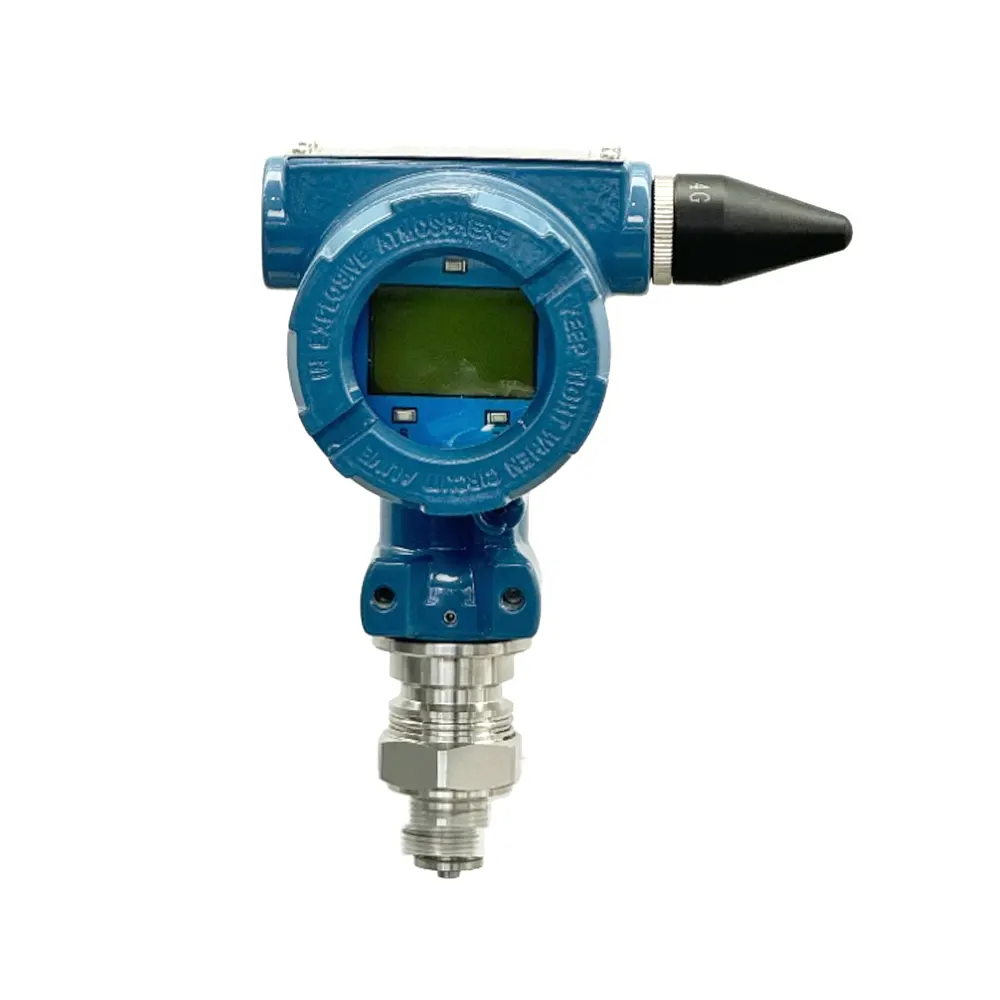
Pressure monitoring is equally critical throughout hydrogen production facilities. Electrolyzers and reformers operate under specific pressure conditions to maintain reaction stability and maximize yield. Pressure transmitters continuously measure internal system pressure, ensuring that it remains within safe and efficient operating limits. Overpressure situations can damage equipment or trigger emergency shutdowns, while underpressure may compromise production efficiency. Real-time pressure data allows for immediate adjustments, reducing the risk of system failure. Hydrogen storage presents additional monitoring challenges. Due to its low molecular weight and small molecule size, hydrogen can easily leak through microscopic openings. High-pressure storage tanks, often operating at 350 to 700 bar in compressed hydrogen systems, require extremely reliable pressure sensors. Continuous pressure monitoring ensures tank integrity and detects abnormal pressure drops that may signal leakage. In cryogenic liquid hydrogen storage, both pressure and temperature monitoring are crucial to manage boil-off gas and maintain stable storage conditions.
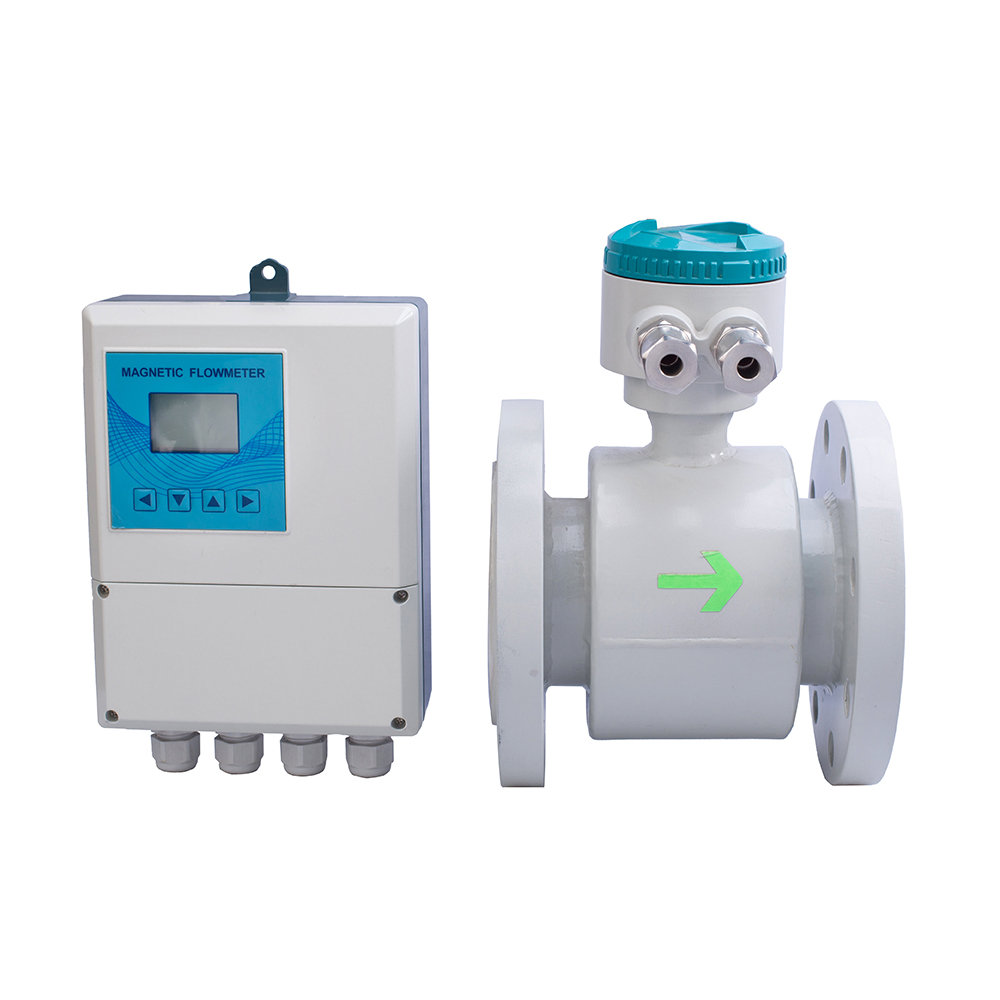
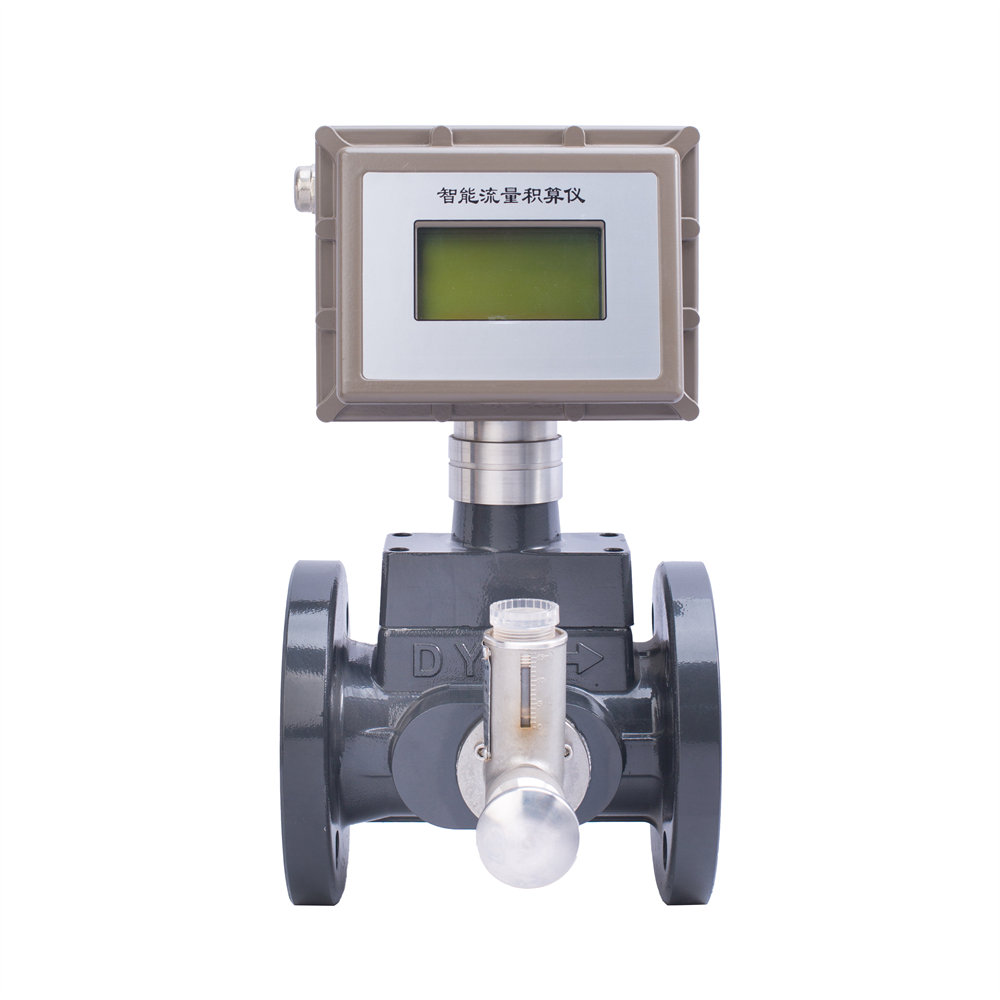
Hydrogen compression and pipeline transport systems also depend heavily on accurate flow and pressure measurement. Compressors must maintain precise discharge pressures to ensure safe delivery to storage tanks or distribution networks. Differential pressure transmitters monitor filter performance and detect blockages, while flow meters measure transfer rates to verify system efficiency and custody transfer accuracy. Inaccurate measurements can lead to energy losses, unstable supply, or even dangerous operating conditions. Safety is one of the most important reasons for advanced monitoring in hydrogen systems. Hydrogen is highly flammable and has a wide explosive range in air. Continuous pressure monitoring helps prevent over-pressurization, while precise flow measurement assists in identifying unexpected surges or leaks. Integrating monitoring instruments with automated control systems enables real-time alarms and shutdown protocols, significantly reducing operational risks. Explosion-proof certified transmitters and sensors are essential in hydrogen environments to meet safety standards and regulatory requirements.
Material compatibility is another key consideration in hydrogen applications. Hydrogen embrittlement can weaken certain metals over time, making sensor durability critical. Flow meters and pressure transmitters used in hydrogen systems must be constructed from compatible materials such as stainless steel alloys designed to resist embrittlement and corrosion. Reliable instrumentation ensures long-term measurement stability even under high pressure and variable temperature conditions. As hydrogen infrastructure expands globally, digitalization and IIoT integration are enhancing monitoring capabilities. Smart flow and pressure transmitters can provide remote diagnostics, real-time data analysis, and predictive maintenance alerts. Operators can monitor system performance across multiple sites from centralized control platforms. Historical data trends help optimize production efficiency, improve maintenance planning, and ensure compliance with environmental and safety regulations.
In hydrogen production and storage systems, precision is not optional—it is essential. Accurate flow and pressure monitoring ensure stable process control, protect high-value assets, and maintain strict safety standards. As the hydrogen economy continues to grow, advanced instrumentation will remain a cornerstone of reliable, efficient, and safe hydrogen energy infrastructure worldwide.