AR
AR  EN
EN  FR
FR  RU
RU  DE
DE  ES
ES  PT
PT Maintaining Accuracy in High-Viscosity Chemical Flow Measurement
Accurate flow measurement is a critical requirement in chemical processing, where precise dosing, batching, and transfer directly affect product quality, safety, and production efficiency. Measuring high-viscosity chemical fluids presents unique challenges, as thick, slow-moving media behave very differently from water-like liquids. Factors such as flow resistance, temperature sensitivity, and pressure loss can significantly influence measurement accuracy. Understanding these challenges and selecting appropriate solutions are essential for achieving reliable flow data in high-viscosity chemical applications. One of the main difficulties in measuring high-viscosity fluids is unstable flow behavior. Viscous chemicals often exhibit laminar or transitional flow rather than fully developed turbulent flow. Many traditional flow meters rely on stable flow profiles to maintain accuracy, and deviations can lead to measurement errors. In addition, high-viscosity fluids can cause increased friction, resulting in pressure drops that affect both process performance and sensor response. These issues become more pronounced in low-flow or intermittent operating conditions.
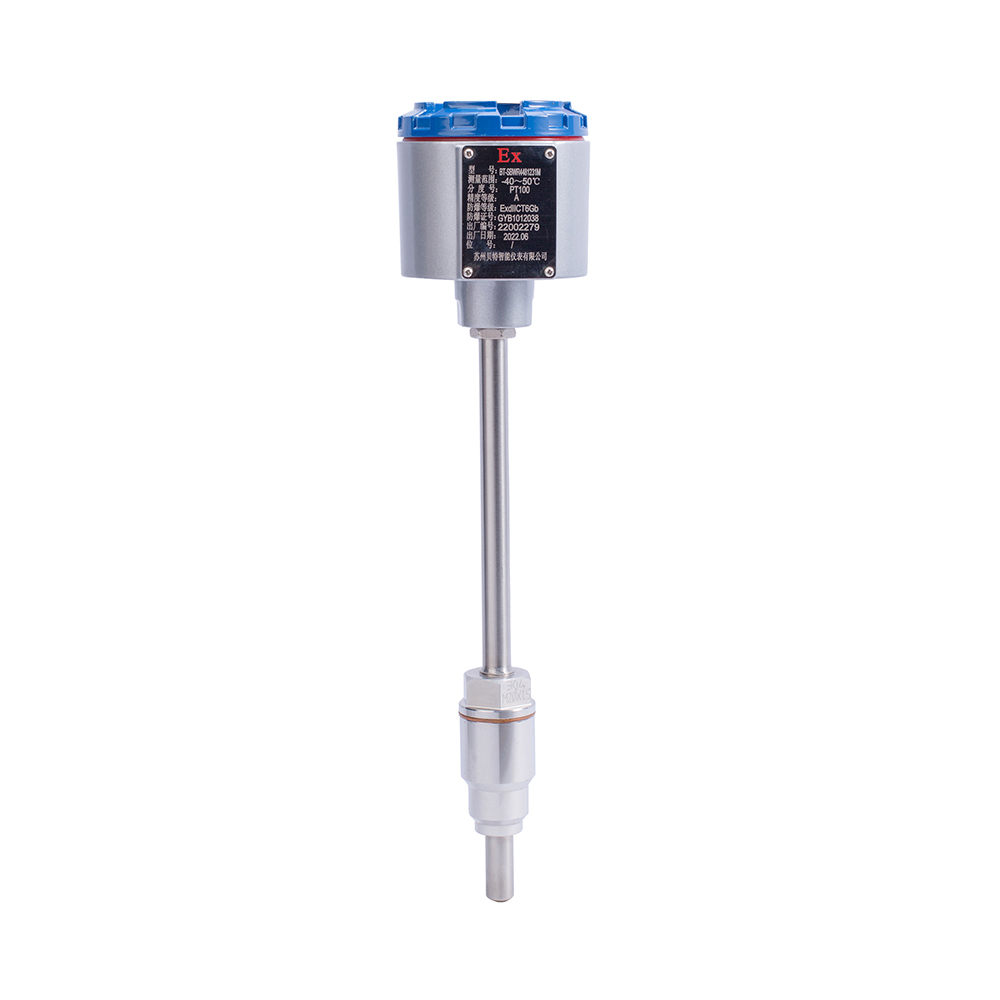
Selecting the right flow meter technology is the foundation of accurate measurement. Positive displacement flow meters, such as gear flow meters, are often ideal for high-viscosity chemical fluids because they measure flow by directly counting fixed volumes of liquid. This measurement principle is largely independent of flow velocity and fluid properties, allowing for high accuracy even when flow rates are low or viscosity is extremely high. For applications requiring mass measurement, Coriolis mass flow meters offer another reliable solution, providing direct mass flow readings unaffected by viscosity changes. Temperature variation is another critical factor influencing measurement accuracy. Many chemical fluids experience significant viscosity changes with temperature fluctuations. A small temperature shift can drastically alter flow behavior and measurement performance. To maintain accuracy, it is essential to use temperature-compensated measurement systems. Integrating temperature transmitters or using flow meters with built-in temperature compensation helps correct viscosity-related deviations and ensures consistent readings across different operating conditions.
Installation and piping design also play an important role in high-viscosity flow measurement. Inadequate straight pipe lengths, sharp bends, or sudden diameter changes can disrupt flow patterns and introduce additional measurement errors. For viscous fluids, smooth piping, gradual transitions, and proper meter orientation are especially important. Installing flow meters in areas with stable pressure and minimal pulsation helps maintain consistent flow and improves measurement reliability. Material selection and chemical compatibility are equally critical in high-viscosity chemical environments. Thick and aggressive chemicals may contain abrasive particles or corrosive components that can degrade sensor surfaces and internal components over time. Choosing flow meters with appropriate materials, coatings, and seals ensures long-term durability and stable performance. Corrosion-resistant alloys, specialized linings, and high-quality sealing materials help protect instruments from wear and chemical attack.
Regular calibration and maintenance are essential for sustaining long-term accuracy. High-viscosity fluids can cause buildup or residue inside the measuring chamber, affecting sensor movement and measurement precision. Periodic inspection, cleaning, and recalibration help prevent drift and maintain accuracy. Establishing a maintenance schedule based on operating conditions and fluid characteristics reduces downtime and extends instrument service life. Advanced signal processing and intelligent diagnostics further enhance measurement accuracy in challenging chemical applications. Modern flow meters equipped with digital signal processing can filter noise, compensate for flow fluctuations, and detect abnormal operating conditions. Diagnostic features such as blockage detection, sensor health monitoring, and alarm outputs allow operators to address issues proactively before measurement accuracy is compromised.
Maintaining accuracy in high-viscosity chemical flow measurement requires a comprehensive approach that combines proper technology selection, temperature compensation, optimized installation, material compatibility, and ongoing maintenance. By applying these best practices, chemical processors can achieve stable, precise flow measurement even under demanding conditions. With the right instrumentation and engineering support, high-viscosity chemical measurement challenges can be effectively managed, ensuring safe, efficient, and high-quality production processes.