AR
AR  EN
EN  FR
FR  RU
RU  DE
DE  ES
ES  PT
PT Thermocouples vs Thermal Resistors: Which One Should You Choose?
Temperature measurement is essential in industrial automation, manufacturing, energy systems, and scientific applications. Among the most widely used temperature sensing technologies are thermocouples and thermal resistors, commonly known as RTDs (Resistance Temperature Detectors). Both are reliable and effective, but they operate differently and are suited for different applications. Choosing the right sensor depends on factors such as temperature range, accuracy, response time, durability, and environmental conditions. Thermocouples work based on the thermoelectric effect. When two dissimilar metal wires are joined together and exposed to a temperature difference, they generate a small voltage. This voltage corresponds to the measured temperature. Thermocouples are widely used because of their simple design, broad temperature range, and durability in harsh environments.
Thermal resistors or RTDs operate on a different principle. They measure temperature by detecting changes in electrical resistance within a metal element, usually platinum. As temperature changes, the resistance changes in a predictable manner. RTDs are known for their high accuracy, stability, and repeatability, making them ideal for applications requiring precise temperature control. One of the biggest differences between the two is the temperature range. Thermocouples can measure extremely high temperatures, often exceeding 1000°C depending on the type used. This makes them suitable for furnaces, kilns, turbines, and metal processing industries. RTDs generally operate within a lower temperature range but provide more stable and accurate measurements within that range.
Accuracy is another major consideration. RTDs typically offer higher accuracy and better long-term stability than thermocouples. In processes where precise temperature control is critical—such as pharmaceutical production, food processing, and laboratory systems—RTDs are often preferred. Thermocouples, while slightly less accurate, still provide reliable measurements for many industrial applications where extreme precision is not required. Response time also influences sensor selection. Thermocouples usually respond faster to temperature changes because of their smaller sensing elements and lower thermal mass. This makes them suitable for fast-changing industrial processes where quick feedback is important. RTDs may respond more slowly, especially when enclosed in protective housings, but they provide smoother and more stable readings.
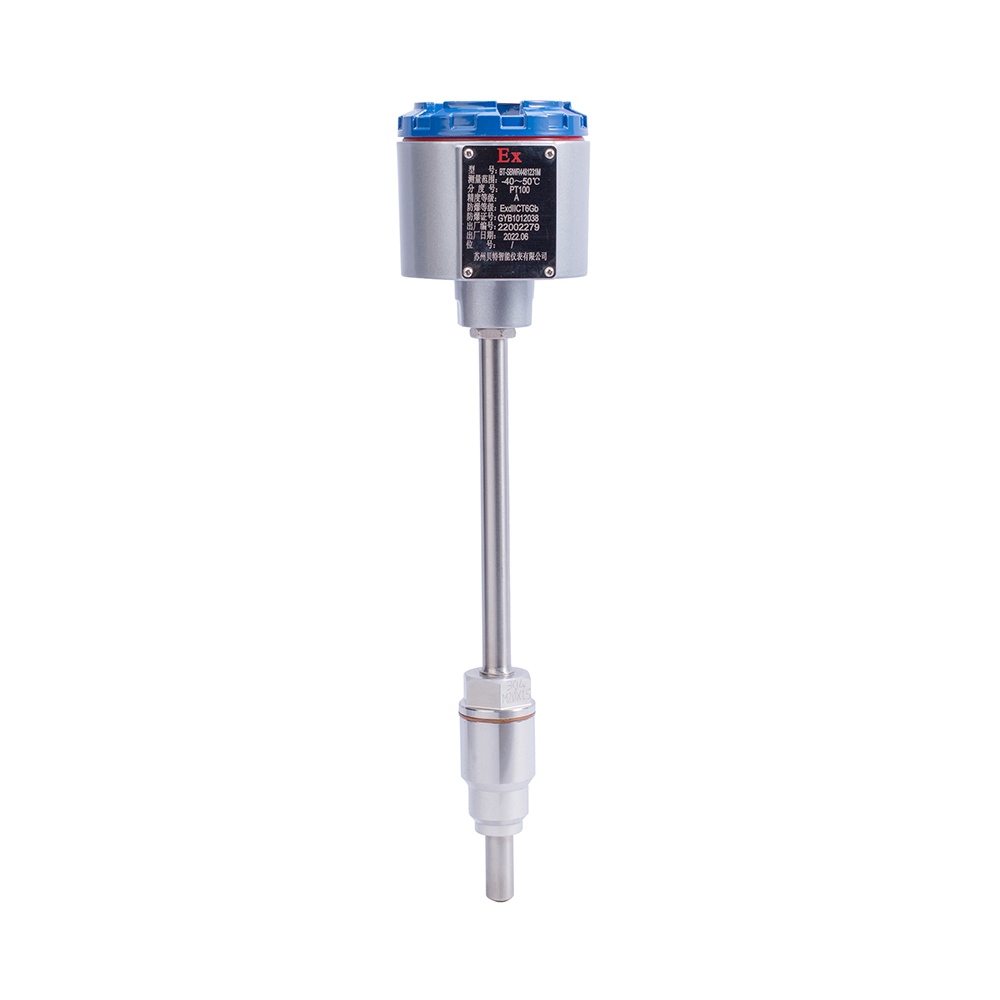
Durability is an important advantage of thermocouples. They can withstand vibration, mechanical shock, and extreme environmental conditions better than many RTDs. In high-pressure, high-temperature, or corrosive environments, thermocouples are often the preferred choice due to their rugged construction and resistance to damage. RTDs, however, excel in applications requiring long-term consistency. Their measurement characteristics remain stable over time, reducing the need for frequent recalibration. This reliability is valuable in automated systems where accurate and repeatable temperature monitoring is essential for process quality and efficiency.
Cost can also affect the decision. Thermocouples are generally less expensive and easier to install, especially in large industrial systems with multiple measurement points. RTDs tend to have a higher initial cost due to their more precise sensing elements and associated instrumentation, but their accuracy and long-term stability can justify the investment in critical applications. Environmental conditions must also be considered. Thermocouples perform well in harsh industrial environments with high vibration and temperature extremes. RTDs are more sensitive to mechanical stress but provide superior performance in clean and controlled environments. Protective thermowells and proper installation can improve the durability of both sensor types.
Signal transmission differs between the two technologies. Thermocouples generate a small voltage signal that requires compensation for reference junction temperature. RTDs use resistance measurement, which often provides more stable and noise-resistant signals over long distances. In electrically noisy environments, proper shielding and transmitters are important for maintaining signal quality. In conclusion, both thermocouples and thermal resistors offer valuable advantages depending on the application. Thermocouples are ideal for high-temperature, rugged, and fast-response environments, while RTDs are better suited for applications requiring high accuracy, stability, and repeatability. By carefully evaluating process conditions, temperature range, accuracy requirements, and environmental factors, industries can select the most suitable temperature sensor for reliable and efficient operation.