AR
AR  EN
EN  FR
FR  RU
RU  DE
DE  ES
ES  PT
PT Benefits of Paperless Recorders in Industrial Data Logging
In modern industrial operations, accurate data collection and monitoring are essential for maintaining efficiency, product quality, and operational safety. Traditional paper chart recorders were once widely used to track process parameters such as temperature, pressure, flow, and level. However, with the advancement of digital technology, paperless recorders have become the preferred solution for industrial data logging. These systems provide reliable electronic recording, real-time monitoring, and advanced data management capabilities that significantly improve industrial process control. One of the biggest advantages of paperless recorders is the elimination of paper charts and manual recordkeeping. Traditional chart recorders require continuous replacement of paper rolls, ink pens, and manual storage of historical records. Paperless recorders store all process data digitally, reducing operational costs and minimizing maintenance requirements. This not only improves efficiency but also supports environmentally friendly operations by reducing paper waste.
Paperless recorders provide highly accurate and stable data logging. Digital recording technology minimizes errors associated with mechanical systems, such as pen drift or chart misalignment. Industrial processes often require precise monitoring of critical parameters, and paperless systems ensure consistent and reliable data collection over long periods. This accuracy is especially important in industries such as pharmaceuticals, food processing, chemical manufacturing, and power generation. Real-time monitoring is another major benefit. Paperless recorders display process data instantly through digital interfaces, trend graphs, and alarm systems. Operators can monitor multiple parameters simultaneously and quickly identify abnormal conditions. Immediate access to live process data allows faster decision-making and helps prevent equipment failures or production issues.
Data storage and retrieval are significantly improved with paperless technology. Traditional paper charts require physical storage space and can be difficult to organize or retrieve when needed. Paperless recorders store large amounts of historical data electronically, making it easy to search, analyze, and export information. This capability is extremely valuable for quality control, process optimization, maintenance planning, and regulatory compliance. Many paperless recorders support multiple communication protocols and can integrate seamlessly with industrial automation systems such as PLCs, SCADA platforms, and distributed control systems. This integration enables centralized monitoring and remote access to process data. Operators and engineers can analyze performance trends, receive alarms, and manage industrial operations more efficiently from control rooms or remote locations.
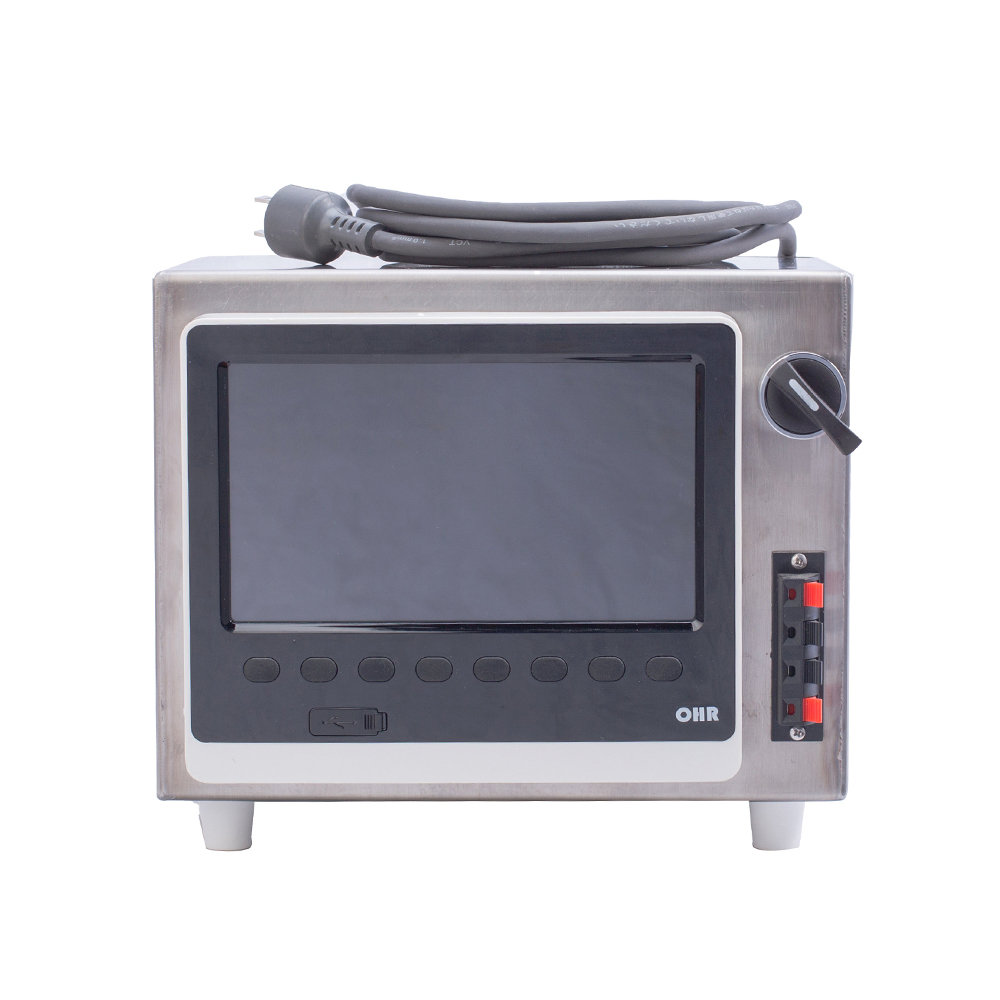
Alarm management is another important feature. Paperless recorders can automatically generate alarms when monitored values exceed preset limits. This helps operators respond quickly to abnormal conditions such as overheating, pressure fluctuations, or flow interruptions. Early detection of problems improves operational safety and reduces the risk of equipment damage or unplanned downtime. Security and data integrity are also enhanced with paperless systems. Digital records are less vulnerable to physical damage, loss, or unauthorized modification compared to paper charts. Many paperless recorders include password protection, user access control, and audit trail functions to ensure secure and traceable data management. These features are particularly important in industries with strict compliance requirements.
Another benefit is improved process analysis and reporting. Paperless recorders often include advanced software tools for trend analysis, statistical reporting, and performance evaluation. Historical data can be visualized through graphs and reports, helping engineers identify process inefficiencies, optimize production, and improve energy management. Paperless recorders also reduce maintenance requirements compared to traditional mechanical recorders. Since there are fewer moving parts, the risk of mechanical wear and failure is significantly lower. This improves system reliability and reduces long-term maintenance costs. In addition, firmware updates and software configuration allow easy customization and feature expansion without major hardware changes.
Modern paperless recorders are designed for flexibility and scalability. They can monitor multiple input signals, including temperature, pressure, flow, level, and electrical parameters. This versatility makes them suitable for a wide range of industrial applications, from small process systems to large manufacturing facilities. In conclusion, paperless recorders offer significant advantages in industrial data logging by improving accuracy, efficiency, reliability, and data management. Their ability to provide real-time monitoring, secure digital storage, advanced analysis, and seamless system integration makes them an essential component of modern industrial automation. By replacing traditional paper-based recording methods, industries can achieve better process control, reduced operating costs, and enhanced long-term operational performance.